

Understanding the Basics
As a homeowner, deciding between Central AC vs. Ductless Mini-Split Systems: Which Is Right for You? can feel daunting. Both have unique features that cater to distinct needs. Central ACs cool the entire home through ducts, offering seamless temperature control with a single thermostat.
In contrast, ductless mini-splits operate without ducts. They consist of an outdoor compressor and one or more indoor units. This setup enables cooling specific zones without the energy losses associated with ductwork. Each system's benefits depend on your home's layout and existing infrastructure.
Installation Considerations
Installing central AC in a home with existing ductwork can be straightforward. Ductless systems, however, require fewer invasions. For those living in older homes without ducts, this might lean toward ductless mini-splits. Our team at HVAC Long Beach Masters often finds that ductless systems save on installation headaches.
When installing either system, it's crucial to understand the labor involved. Central AC installations usually take longer, especially if new ductwork is needed. Meanwhile, ductless installations cause minimal disruptions, ideal for quick, efficient service.
Central AC units typically hide in attics or basements, preserving aesthetic appeal. Mini-splits can present challenges because the indoor units are visible. Some homeowners appreciate the discretion of central units in comparison.
Energy Efficiency
Evaluating energy efficiency is another critical aspect of the decision process between Central AC vs. Ductless Mini-Split Systems: Which Is Right for You? Central ACs can inadvertently waste energy through poorly maintained ductwork. Mini-splits bypass this by delivering air directly to each room, reducing potential energy loss.
Mini-splits offer the advantage of zone control. You only use energy to cool spaces in use, which lowers utility bills. Despite the higher upfront cost, this efficiency can translate into long-term savings. Central systems, however, generally excel in filtering air, contributing to indoor air quality improvement.
In our experience at HVAC Long Beach Masters, families appreciate the control offered by mini-split systems. This feature enhances comfort while optimizing energy use throughout the home.
Cost Analysis
Budget is undeniably a significant factor in choosing Central AC vs. Ductless Mini-Split Systems: Which Is Right for You? Mini-splits might have a higher initial cost; however, they save money in the long run through energy efficiency.
Central AC systems tend to be less expensive upfront, especially in homes with existing ductwork. Still, consider potential ductwork repairs and maintenance down the road. Calculating potential energy savings and ongoing expenses is essential to make an informed decision.
At HVAC Long Beach Masters, we encourage clients to weigh these factors. Making an informed decision can significantly impact both upfront and ongoing costs, tailoring the HVAC solution to your lifestyle and home requirements.
While both systems have their merits, the right choice often hinges on individual needs and priorities. Whether it’s cooling efficiency or cost-effectiveness, the decision involves balancing immediate and long-term considerations to determine which system aligns best with your goals.
Understanding Air Conditioning Systems
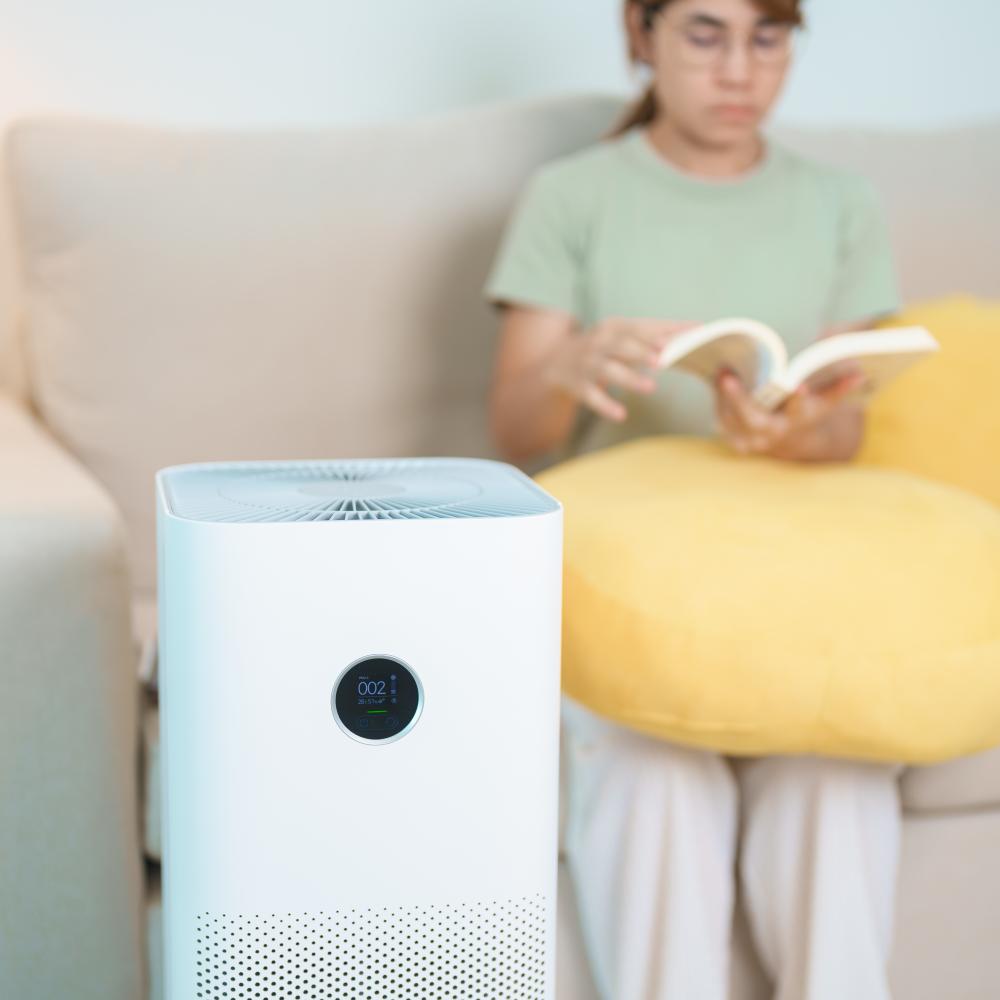
Having spent years in the HVAC industry, I've come to appreciate the diverse world of air conditioning systems. Every system serves a unique purpose. They can transform a stifling environment into a haven of comfort. Here at HVAC Long Beach Masters, we encounter a variety of systems daily. Each system has its own quirks and advantages, determined by its design and application. Drawing from our experiences, we aim to shed light on these systems.
At the heart of residential comfort lies the split air conditioning system. It’s an essential choice for many, balancing cost and effectiveness. These systems feature separate indoor and outdoor units connected by refrigerant lines. This design facilitates efficient cooling and heating. The convenience these systems offer is undeniable. However, installation requires expertise, a task we relish tackling.
The Efficiency of Ducted Systems
Ducted systems bring a centralized approach to air conditioning. Ideal for larger spaces, they use ductwork to distribute conditioned air. While their initial setup can be complex, the long-term comfort they offer is worth it. In commercial environments, they shine, maintaining a consistent temperature throughout. At HVAC Long Beach Masters, we've seen firsthand how ducted systems enhance workplace productivity. The key is their unobtrusive presence, quietly keeping spaces comfortable.
Maintenance is crucial. Regular check-ups prevent issues and prolong system lifespan. Ductwork needs to be clean and free from obstructions. Our team is well-versed in performing these essential services. Over the years, we've witnessed how well-maintained ducted systems lead to satisfied clients.
Portable Air Conditioners: Flexibility and Limitations
Portability is the hallmark of these systems. They're perfect for temporary cooling needs. We often recommend them for small areas or when installation isn't feasible. These units require no permanent setup, offering flexibility in their placement. However, they do have limitations. Their capacity is often insufficient for larger spaces. Despite this, their convenience makes them a popular choice.
From our perspective, portable air conditioning systems serve specific needs. They’re an excellent interim solution but should not replace permanent systems. We’ve found they complement established cooling systems well during peak summer conditions.
Exploring Innovative Water-Cooled Systems
For large commercial projects, water-cooled systems offer a unique solution. They utilize water as a cooling medium, providing efficient climate control. We've had the privilege of implementing these systems in places where air cooling alone isn’t sufficient. These systems boast high efficiency, particularly in high-rise buildings.
Despite their benefits, water-cooled air conditioning systems demand thorough maintenance. Water quality significantly affects their operation. Our team is adept at ensuring these systems remain at peak performance. Regular inspections and cleanings underpin their long-term success. Our clients often express appreciation for the seamless comfort these systems deliver.
As a trusted HVAC provider, understanding these systems is vital to us. We pride ourselves on offering tailored solutions that ensure our clients enjoy optimal indoor climates. Air conditioning systems, in all their forms, continue to evolve, and so does our expertise in maintaining and installing them.
Energy-Efficient Cooling Strategies
Living in Long Beach, CA, I understand the importance of effective home cooling options. My team at HVAC Long Beach Masters always emphasizes the significance of energy efficiency. A primary recommendation is optimizing your home’s insulation and sealing. Proper insulation not only cools efficiently but also saves money on energy bills. We often suggest upgrading windows and doors, as these are major sources of heat entry.
Another approach is using ceiling fans in conjunction with your cooling system. They help circulate air and reduce the need for constant air conditioner use. Additionally, programming thermostats to adjust temperatures when no one is home can lead to significant savings. We educate our clients about these practices, and the feedback has been overwhelmingly positive.
Exploring Heat Pump Solutions
Our team specializes in offering heat pump systems as one of the leading home cooling options. Heat pumps are versatile, providing both cooling and heating efficiently. Their ability to transfer heat rather than generate it makes them a highly energy-efficient solution. We have seen a high satisfaction rate among our clients who switch to heat pumps.
Mini-split heat pumps are particularly effective for homes with varying cooling needs. These systems allow for customized temperature control in different areas of the home. Installation is often straightforward, as they require minimal ductwork. This feature makes them ideal for retrofitting older homes. Clients appreciate the quiet operation and ability to maintain a consistent indoor climate with minimal energy use.
Ventilation and Natural Cooling
For homes in Long Beach, natural ventilation is a valuable cooling strategy. By opening windows in the evening and closing them during peak heat hours, you can utilize cool night air. My experience has shown that homeowners often overlook this simple yet effective method. Cross-ventilation, where air moves through open windows on opposite sides of the house, can drastically reduce indoor temperatures.
In addition to natural ventilation, our approach incorporates mechanical ventilation systems. These systems are designed to enhance air movement within the home. Pairing mechanical ventilation with whole-house fans is effective in ejecting hot air quickly. This combination allows for a rapid cooldown without relying heavily on air conditioning.
Modern Cooling Technologies
While traditional air conditioning units are common, advancements in technology provide several enhanced home cooling options. Smart air conditioners, for instance, allow for remote temperature adjustments and automated schedules. These features help customize your home's climate with minimal energy waste. Our clients find these systems user-friendly and efficient in maintaining comfort.
Our team also recommends using advanced filtration systems. These systems improve indoor air quality by removing allergens and bacteria, contributing to a healthier living environment. Clients often report an improvement in air quality and a noticeable reduction in allergy symptoms post-installation.
Integrating Cooling Systems and Smart Homes
The future of home cooling options lies in smart home integration. As an organization, we encourage clients to consider syncing their cooling systems with smart home devices. This integration allows for seamless control over climate settings, often through voice commands or smartphone apps.
Implementing smart systems leads to optimized energy use and increased comfort. Homeowners can pre-cool their homes before arrival or adjust settings remotely. The combination of convenience and efficiency is transforming how we approach home cooling. Our experience shows that integrating these technologies enhances user satisfaction and reduces energy consumption.
Should I get central air or mini split?
Deciding between central air and a mini-split system depends on your home's unique characteristics and your cooling needs. At HVAC Long Beach Masters, we understand that central air is typically a good fit for homes with existing ductwork. It's unobtrusive and can provide consistent cooling throughout the entire space with a single thermostat. However, mini-splits are excellent for homes where ductwork isn't feasible or for those who prefer zoning, which lets you control temperatures in individual rooms. If energy efficiency and the ability to cool specific zones are priorities for you, a ductless mini-split might be a better option. Consider your home's layout, the state of any existing ductwork, and your long-term goals for energy use and cost before making a decision. Feel free to reach out to us to discuss which system might be best suited for your home.
How much will my electric bill go up with a mini split system?
With a mini-split system, your electric bill's impact depends largely on how you use the system and the climate of your area. In Long Beach, the energy-efficient nature of mini-splits often means that they can help reduce your overall energy costs compared to traditional central air systems, especially when used for zoned cooling. Each indoor unit can be controlled independently, allowing you to cool only the rooms you use, potentially lowering your energy consumption when compared to cooling an entire home uniformly with central air. This targeted approach, combined with the absence of energy loss through ductwork, generally translates to savings on your electric bill. If you're considering a mini-split, we at HVAC Long Beach Masters can help evaluate your specific circumstances to provide a better estimate. Let's chat about your cooling habits and home setup to get a clearer picture of potential cost implications.
Which is better: ducted or ductless mini split?
Both ducted and ductless mini-split systems have their merits, and the choice often boils down to personal preference and specific home conditions. Ducted systems can seamlessly blend into your home's architecture since they use hidden ductwork, which may appeal if aesthetics are a concern. On the other hand, ductless mini-splits offer flexibility and energy efficiency by allowing zone-specific temperature control, making them ideal for homes without existing ductwork or where targeted heating and cooling are desired. At HVAC Long Beach Masters, we often recommend ductless systems for their ease of installation and superior efficiency in many scenarios. If your home has existing ductwork and you prefer a more traditional aesthetic, a ducted system might suit you better. Let's explore the unique advantages of each with your specific needs in mind to find the best match for your comfort goals.
What are the disadvantages of a mini split system?
While mini-split systems offer many advantages, such as energy efficiency and individualized zone control, they do come with a few potential drawbacks that homeowners should consider. First, the upfront cost of mini-split systems can be higher than traditional central air systems, although this can be offset by long-term energy savings. Additionally, some homeowners might find the appearance of indoor units less aesthetically pleasing compared to central air systems, which hide the components out of sight. Another consideration is the capability and reach of a mini-split system in larger homes, where multiple units might be necessary to provide adequate cooling, potentially increasing costs. At HVAC Long Beach Masters, we can help you weigh these disadvantages against the benefits to determine whether a mini-split system is right for you. Let's discuss your home's layout and your priorities to see if a mini-split system meets your needs.
What air conditioning system is best for my home?
The best air conditioning system for your home greatly depends on factors like existing infrastructure, your personal cooling needs, budget, and home layout. Traditional central air systems are often ideal for homes with existing ductwork and can provide a discreet and consistent cooling solution. In contrast, mini-splits are perfect for homes or extensions that lack ductwork and for those looking to customize the temperature in specific areas. From our vast experience at HVAC Long Beach Masters, we’ve found that evaluating your home's specifics and discussing your comfort goals with an expert can be incredibly beneficial. Don't hesitate to contact us for a personalized consultation to explore which system aligns with your lifestyle and home requirements.
What are the most energy-efficient home cooling options?
Energy efficiency in home cooling can be achieved through various strategies and system choices. Mini-split systems are well-known for their energy efficiency, particularly due to their ability to cool specific zones and eliminate ductwork-related energy losses. Heat pumps are another efficient option, offering both heating and cooling capabilities. Enhancing your home’s insulation and upgrading windows and doors can significantly improve efficiency as well. Supplementing your cooling system with ceiling fans or smart thermostats can also optimize energy use. At HVAC Long Beach Masters, we emphasize the value of integrating these strategies to maximize energy efficiency. We'd be happy to discuss these options further to help you design an efficient cooling strategy for your home.
Resources
- U.S. Department of Energy: A comprehensive resource for energy efficiency and renewable energy information. It offers guidance on selecting energy-efficient heating and cooling systems for homes.
- ENERGY STAR: Operated by the Environmental Protection Agency, ENERGY STAR provides resources on energy-efficient products, including heating and cooling systems, to help reduce energy costs and improve comfort.
- National Association of Home Builders (NAHB): Offers resources on home building and remodeling, including articles on choosing the right air conditioning system for your home.
- ASHRAE: The American Society of Heating, Refrigerating and Air-Conditioning Engineers provides resources and technical standards for optimizing HVAC systems at home and in commercial spaces.
- Home Ventilating Institute (HVI): This organization provides resources and testing standards for residential ventilation products, helping homeowners improve indoor air quality and energy efficiency.