

Coastal Weather Challenges
Living by the coast in Long Beach offers beautiful vistas and a unique climate. However, this weather can affect heating systems in distinct ways. Coastal air is often humid, introducing moisture into homes and HVAC systems. Over time, this can lead to corrosion in metal components within heating systems.
Salt in the air further exacerbates metal degradation. Salt particles settle on parts of the heating systems, accelerating rust and corrosion. This can drastically decrease efficiency and lifespan. Being aware of these factors helps in understanding how coastal weather impacts heating systems and what to do about it.
Corrosion Prevention
Addressing these challenges begins with corrosion prevention. Regular maintenance is key. Ensuring that all metal parts are clean and free from salt deposits is crucial. Look for signs of rust and address them immediately. Applying anti-corrosion coatings to exposed metal parts can also be an effective strategy.
Furthermore, installing specialized filters can capture airborne salt particles before they reach sensitive components. Installing a dehumidifier as part of the HVAC system can help regulate moisture levels. Understanding these proactive measures provides insight into how coastal weather impacts heating systems and what to do about it.
Insulation and Efficiency
Insulation plays a significant role in maintaining heating efficiency in coastal areas. Proper insulation reduces the workload on your heating system. It prevents outside moisture from seeping into your indoor environment. Additionally, sealing leaks and drafts around windows and doors helps maintain a stable indoor temperature.
Energy-efficient windows and doors can also mitigate the effects of coastal weather. These investments not only protect your heating system but also contribute to energy savings. It's another aspect of how coastal weather impacts heating systems and what to do about it.
Moreover, regularly checking the system's performance ensures it operates at peak efficiency. Investing in a programmable thermostat can optimize heating schedules. This ensures that homes are only heated when necessary, saving energy and money.
Routine System Maintenance
Regular system maintenance is essential for addressing how coastal weather impacts heating systems and what to do about it. At HVAC Long Beach Masters, we recommend routine checks by our professional team. These checks identify potential issues early, preventing costly repairs down the line.
During maintenance, our specialists not only inspect for corrosion but also ensure all components function efficiently. Filters are cleaned or replaced, and any damaged parts are repaired promptly. This routine maintenance not only prolongs the system’s lifespan but also ensures optimal performance.
Listening to the system for unusual noises or changes in performance is vital. These can be early indicators of issues caused by coastal conditions. Addressing these promptly keeps the system running smoothly.
Emergency Readiness
Coastal weather can be unpredictable, leading to unexpected heating system failures. Having an emergency plan ensures minimal disruption. Keep the contact information of trusted HVAC services like HVAC Long Beach Masters handy.
Regular maintenance reduces the likelihood of emergencies. However, preparing for worst-case scenarios is always wise. Having space heaters available for temporary use can be useful during unforeseen outages.
Understanding how coastal weather impacts heating systems and what to do about it is crucial. With these tips, residents can ensure their heating systems remain reliable despite the challenges posed by their coastal location.
Impact on HVAC Systems
Living by the coast has its perks, but it also introduces unique challenges for HVAC systems. The salty air that accompanies scenic ocean views accelerates corrosion in HVAC units. Coastal climate effects on HVAC systems can lead to decreased efficiency and a shorter lifespan. The salty environment, combined with high humidity, creates perfect conditions for rust and mold. Regular maintenance becomes crucial in these areas to ensure optimal performance and longevity.
Our team at HVAC Long Beach Masters has seen firsthand how coastal climate effects on HVAC systems can drastically affect performance. From our experience, we've learned that corrosion-resistant materials and protective coatings are vital. This prevents premature decay and maintains the unit's efficiency over time. It's not just about maintenance; choosing the right system is equally important.
Corrosion Resistance Strategies
One significant coastal climate effect on HVAC systems is corrosion. It's no secret that salty air aggressively attacks metal components. At HVAC Long Beach Masters, we often recommend systems designed with anti-corrosive features. These features include protective coatings and materials like stainless steel and polymer-coated components. Such systems are more resistant to environmental wear and tear.
Interestingly, modern innovations have introduced specialized anti-corrosive coatings. These can be applied to existing systems, offering an additional layer of protection. Many of our customers have found that these solutions extend the lifespan of their units significantly. Our technicians often apply these coatings during routine maintenance to enhance durability.
Energy Efficiency in Coastal Areas
Managing energy efficiency is another challenge when considering coastal climate effects on HVAC systems. High humidity levels force HVAC units to work harder, increasing energy usage. At HVAC Long Beach Masters, we emphasize selecting systems with high SEER ratings. These systems are designed to manage humidity efficiently, reducing the overall energy demand.
In our experience, units equipped with variable-speed compressors provide better humidity control. They adjust output based on current conditions, optimizing energy use. We've found that integrating these systems with smart thermostats enhances efficiency further. This combination not only improves comfort but also cuts down on unnecessary energy costs.
To further combat the coastal climate effects on HVAC systems, we recommend incorporating dehumidification features. Systems with built-in dehumidifiers manage moisture levels effectively. This is crucial, as excessive moisture often leads to indoor discomfort and strain on the system.
Smart Technologies and Maintenance
Technological advancements play a pivotal role in addressing coastal climate effects on HVAC systems. Smart technology offers remote monitoring capabilities, allowing for quick identification of potential issues. At HVAC Long Beach Masters, we've integrated these features into many of our installations. Our clients appreciate receiving alerts about declining performance or potential failures.
Routine maintenance is equally important in mitigating coastal climate effects on HVAC systems. Regular inspections help identify early signs of corrosion or wear. At HVAC Long Beach Masters, our maintenance plans include coil cleaning and protective treatments. These steps are essential to ensure systems run smoothly year-round.
Combining smart technologies with regular upkeep provides homeowners peace of mind. Knowing that their system is protected and performing efficiently means less downtime and fewer expensive repairs. Our customers rely on these integrated solutions to maintain comfort without compromise.
Importance of Durable Construction
Durability in HVAC systems is non-negotiable when dealing with coastal climates. At HVAC Long Beach Masters, our selections focus on robust construction to withstand harsh environments. We often recommend systems housed in weather-resistant enclosures. These enclosures shield components from salty air, uv rays, and rain.
Reinforced components add to the system's ability to resist damage. Elements like thicker condenser coils and corrosion-resistant fasteners ensure longevity. From our perspective, investing in a well-constructed system translates to fewer repairs over its lifetime.
Homeowners frequently express gratitude for these durable solutions. It saves them time and frustration, knowing their system is built to last even in the toughest conditions. We pride ourselves on offering products that deliver long-term reliability and performance.
The Challenges of Coastal Heating System Maintenance
Heating system maintenance in coastal areas presents unique challenges, primarily due to the salt-laden air. Over time, this salty air causes corrosion in heating systems, accelerating wear and tear. Rust can quickly form on metal components, leading to inefficiencies and breakdowns. These issues are exacerbated by the high humidity levels often found in coastal regions.
Another aspect to consider is sand infiltration. Sand can accumulate in systems exposed to the elements, clogging filters and reducing airflow. It is crucial to regularly check systems for sand buildup, especially after windy days. Regular cleaning will ensure your system operates at peak efficiency.
Working on heating system maintenance in coastal areas requires paying special attention to these environmental factors. Regular inspections and preventative measures can mitigate damage and extend system lifespan.
Routine Maintenance Tips for Coastal Environments
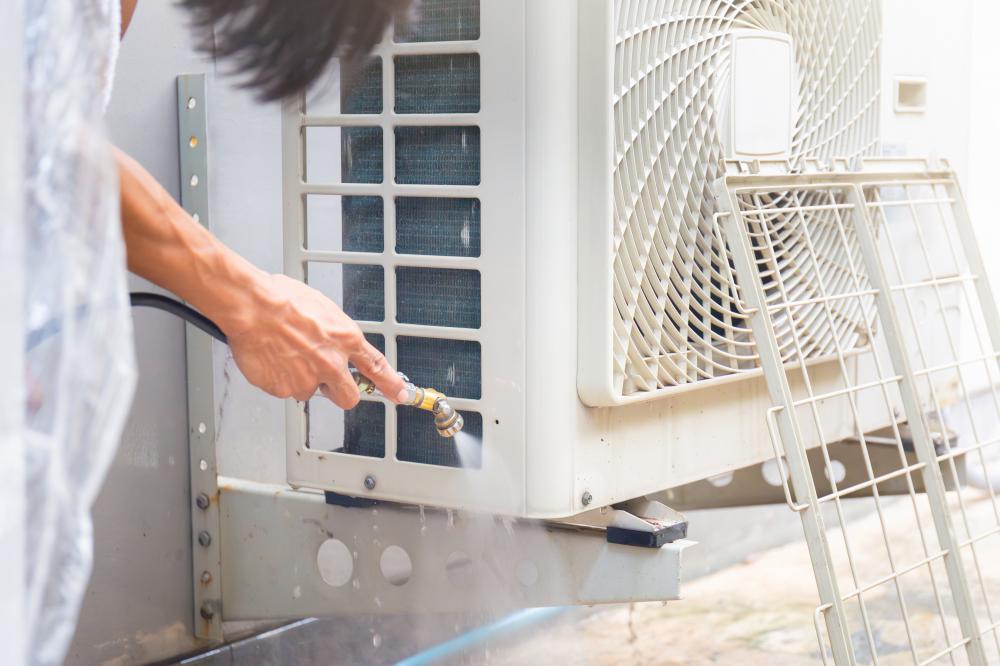
Regular HVAC system maintenance is essential in coastal areas. Start by replacing filters frequently to prevent salt and sand buildup. This simple task can vastly improve system efficiency and longevity. Be vigilant about cleaning your system’s exterior components as well. Rinsing off metal parts can remove corrosive salt deposits before they cause significant damage.
Another vital practice is scheduling regular professional inspections. During these checkups, technicians can identify early signs of corrosion or other damage. They will ensure your system continues to function correctly. These routine inspections often catch small issues before they become costly repairs.
Remember, proactive heating system maintenance in coastal areas is the key to ensuring reliability and efficiency. Regular care helps protect your investment and maintain comfort in your home.
Choosing the Right Equipment for Coastal Climates
When it comes to heating system maintenance in coastal areas, selecting appropriate equipment is crucial. Systems designed with corrosion-resistant materials are ideal for these environments. Such materials can significantly reduce the impact of salt air exposure. Look for heat pumps or furnaces with protective coatings that offer an extra layer of defense.
Consider energy-efficient models that can withstand coastal conditions while minimizing energy consumption. These models often include advanced filtration features to handle sandy environments. Investing in the right equipment can lead to fewer issues and longer service life.
Consult with HVAC professionals who understand local climate challenges. Their expertise is invaluable in choosing a system that will deliver optimal performance year after year.
Importance of Professional Services
Reliable heating system maintenance in coastal areas often hinges on professional services. Expert technicians bring specialized knowledge and tools to handle the unique challenges of coastal climates. They can perform thorough inspections, addressing both visible and hidden damage.
These professionals are trained to implement advanced solutions for corrosion and sand issues. For instance, they might recommend specific products or techniques to protect your system. Their experience is essential for maintaining your equipment’s efficiency and lifespan.
Partnering with a trusted service provider ensures you receive consistent, high-quality maintenance. This partnership can prevent minor issues from escalating into significant, costly problems.
Additional Protection for Coastal HVAC Systems
Adding extra protection measures can be beneficial for HVAC systems in coastal areas. Consider installing protective covers when systems are not in use. These covers can shield components from salt and sand, reducing the likelihood of corrosion. It's a simple action, yet it can prevent extensive damage over time.
Another recommendation is ensuring proper ventilation around HVAC units. Good airflow helps prevent moisture accumulation, which is crucial in humid coastal environments. Proper ventilation supports efficient operation and minimizes rust risk.
In addition, coating exposed metal surfaces with anti-corrosion solutions can bolster equipment defense. These coatings provide an added layer against the harsh coastal environment. Implementing these protective strategies can greatly enhance the durability of your heating system.
How Coastal Weather Impacts Heating Systems & What to Do About It
How does coastal weather affect heating systems?
Living by the coast, I've seen firsthand how the salty and humid air can wreak havoc on heating systems. The moisture and salt in the air contribute to corrosion and rust on metal components, leading to reduced efficiency and a shortened lifespan. It's much like how living near the ocean can cause your car to rust faster than if you were inland. That's why we emphasize regular maintenance and protective measures. By cleaning and applying anti-corrosion coatings to metal parts, we can significantly extend the life of your heating system. Have you noticed any rust on your heating system components?
What are common misconceptions about coastal climate effects on heating systems?
One common misconception is that coastal climates only affect cooling systems due to humidity. In reality, heating systems are equally vulnerable. The high salt content in coastal air accelerates corrosion, which can lead to inefficiencies and potential breakdowns. Some might think that simply sealing their homes will suffice, but without addressing these specific environmental factors, heating systems can still suffer. We've found that using corrosion-resistant materials and regular maintenance checks are imperative. What steps have you taken to protect your heating system against coastal conditions?
What advanced insights can help in preventing damage to heating systems in coastal areas?
From my experience, investing in systems that incorporate corrosion-resistant technologies is key. Think of it like using stainless steel for your outdoor grill; it's designed to withstand harsh conditions. Additionally, installing systems with specialized filters that capture salt particles before they reach sensitive components can make a significant difference. We've also seen success with smart technologies that alert homeowners to potential issues before they become major problems. If you're considering a new system, what features are you looking for to tackle coastal challenges?
How important is insulation in managing heating systems in coastal areas?
Insulation is crucial in maintaining heating efficiency, particularly in coastal regions where moisture can easily seep into homes. Proper insulation acts like a shield, reducing the workload on your heating system by preventing unwanted air exchange. It's akin to how insulating a cooler keeps ice from melting quickly. Also, sealing leaks and drafts helps regulate indoor temperatures, ensuring your system isn't overworking. Have you checked your home’s insulation lately?
How does regular maintenance help in coastal climates?
Routine maintenance in coastal climates is like regular check-ups for your car; it helps catch issues before they become serious problems. Our team at HVAC Long Beach Masters prioritizes these maintenance sessions to inspect for signs of corrosion and ensure all components function smoothly. It's more than just a quick look over; we listen for unusual noises and conduct thorough checks to maintain optimal performance. What’s your maintenance routine for your heating system?
What should be included in an emergency plan for heating system failures in coastal areas?
Having an emergency plan is crucial, especially with the unpredictability of coastal weather. We recommend maintaining contact information for reliable HVAC services and keeping alternative heating sources like space heaters accessible. It's like having a spare tire ready for a flat; you'll be prepared for any unexpected outages. Regular maintenance reduces the chances of failure, but being prepared for worst-case scenarios ensures you're never caught off guard. What's your backup plan for heating issues?
How do coastal climate effects on HVAC systems differ from those in inland areas?
Living by the coast, I've noticed that the salty air and high humidity uniquely affect HVAC systems. Both cooling and heating components are susceptible to corrosion, unlike in drier inland areas where these issues are less prevalent. This environment forces HVAC systems to work harder, often leading to increased energy consumption and reduced lifespan. It's much like how living in a humid climate can affect your garden differently than a dry one. Have you ever experienced these challenges with your HVAC system near the coast?
How can I choose the right equipment for coastal climates?
When selecting equipment for coastal climates, it's essential to focus on corrosion-resistant materials. Look for systems with protective coatings or those made from stainless steel. It's similar to choosing marine-grade equipment for a boat that's constantly exposed to saltwater. Additionally, considering energy-efficient models with advanced filtration can reduce susceptibility to salt and humidity. Consulting with HVAC professionals who understand local climate challenges can guide you to the best choice for your needs. Have you ever had to replace a heating system due to coastal damage?
How does the coastal location affect the temperature?
Being near the coast, I've observed that the ocean moderates temperatures, resulting in milder winters and cooler summers compared to inland areas. The water acts like a massive heat sink, absorbing heat slowly and releasing it gradually, which stabilizes temperatures over time. This concept is similar to how a large lake in a city can cool the surrounding air. This moderation means heating and cooling systems may not need to work as hard compared to inland regions, but they still face unique challenges like humidity and salt exposure. Have you ever felt the difference in temperature when moving inland from the coast?
How does the ocean affect the temperature of the atmosphere?
Coastal living has shown me how the ocean’s vast expanse influences atmospheric temperatures. The ocean absorbs sunlight and retains heat, impacting nearby climates by releasing this heat. It's like how a hot pavement can radiate warmth on a cool evening. This process leads to stable and moderate temperatures, minimizing extreme variations. However, it can also contribute to high humidity levels, impacting HVAC efficiency. Are you aware of how fluctuating ocean temperatures affect your local climate?
How does the differential heating of land and water affect climate in coastal areas?
The varying rates at which land and water heat up and cool down play a significant role in coastal climates. During the day, land heats up faster than water, causing air above it to rise and be replaced by cooler air from the ocean—known as a sea breeze. At night, the process reverses, often creating a land breeze. It's a bit like how opening a window on a hot day can cool a room. These breezes influence local weather patterns, which in turn impact HVAC performance. Have you experienced these coastal breezes where you live?
How do ocean currents relate to heat transfer?
In my experience near the coast, ocean currents are significant players in heat transfer across the globe. They transport warm water from the equator towards the poles and bring cold water back, influencing global climate patterns and local weather. It's similar to how a conveyor belt moves items around a factory floor. This transfer not only affects the climate but can also influence heating system requirements due to changes in temperature and humidity. Have you noticed how changes in ocean currents can impact your local climate?
#### Resources for Coastal HVAC Systems Maintenance and EfficiencyEssential Resources for Coastal HVAC Systems Maintenance and Efficiency
- U.S. Department of Energy (DOE) – Provides guidelines on energy efficiency and renewable energy solutions that can help maintain HVAC systems, especially in challenging coastal climates.
- Environmental Protection Agency (EPA) – Offers information on indoor air quality, HVAC system management, and maintenance practices to enhance system lifespan and performance.
- American Society of Heating, Refrigerating and Air-Conditioning Engineers (ASHRAE) – A leading source for HVAC standards and guidelines, helpful for understanding how to manage HVAC systems in coastal environments.
- Centers for Disease Control and Prevention (CDC) – While primarily focused on health, the CDC provides insight into maintaining healthy indoor environments, which includes proper HVAC system maintenance.
- Institute of Electrical and Electronics Engineers (IEEE) – Offers resources and standards for electrical and electronic aspects of HVAC systems, relevant to maintaining system efficiency and safety in coastal areas.
- U.S. Consumer Product Safety Commission (CPSC) – This site provides safety standards and recommendations for home appliances, including HVAC systems, crucial for avoiding hazards in high-humidity coastal climates.