

Industrial Beginnings
The journey of HVAC technology has truly been remarkable over the past half-century. Reflecting on my earlier days at HVAC Long Beach Masters, I remember the systems of the 1970s. These early HVAC systems were enormous, cumbersome, and notoriously inefficient. Back then, oversized units and outdated thermostats were the norms, resulting in tremendous energy consumption.
As the oil crisis of the 1970s hit, the industry pivoted. Energy efficiency became a newfound focus. Homes had limited insulation and inefficient heating and cooling designs. This laid the groundwork for what's become a significant transformation in the technology we service today.
Technological Advancements
The 1980s and 1990s were revolutionary. This era introduced programmable thermostats, which were a game-changer. These devices gave homeowners control over heating and cooling schedules for the first time. I vividly recall installing those early models and witnessing the immediate impact on energy bills.
With clients now able to reduce usage during unoccupied hours, the demand for greener HVAC solutions began to rise. The HVAC industry responded with systems that used less power yet offered consistent performance. These decades marked the start of more eco-conscious technology.
Progress continued into the 2000s. By then, the HVAC industry began emphasizing environmental sustainability. High-efficiency furnaces and air conditioners, equipped with eco-friendly refrigerants, became widespread. Zoned systems also gained popularity, further reducing energy waste.
Smart Technology Integration
The 2010s ushered in the smart home revolution. I remember the early days of integrating Nest and Ecobee thermostats into HVAC systems. These smart devices learned user preferences, optimized temperatures, and offered remote control via apps. It was truly exciting to witness such innovation firsthand.
Clients loved the accessibility and energy savings these advancements brought. We enjoyed helping them integrate HVAC systems with platforms like Alexa and Google Assistant. These integrations made energy management seamless and intuitive, enhancing home automation experiences.
Modern Efficiency
Today, HVAC systems represent peak energy efficiency. They are equipped with variable-speed compressors and inverter technology. At HVAC Long Beach Masters, we take pride in installing these advanced systems. We see firsthand how they dramatically reduce energy consumption while offering superior performance.
We also see an increased interest in renewable energy solutions like geothermal and solar HVAC systems. These innovations are gaining traction, offering clients a sustainable way to reduce their carbon footprint. With government incentives on the rise, it's an exciting area of growth for our industry.
Seeing clients transition to these advanced systems not only enhances their comfort but also supports a healthier planet. The future of HVAC technology is indeed promising, with even more groundbreaking advancements on the horizon.
Smart HVAC Technology
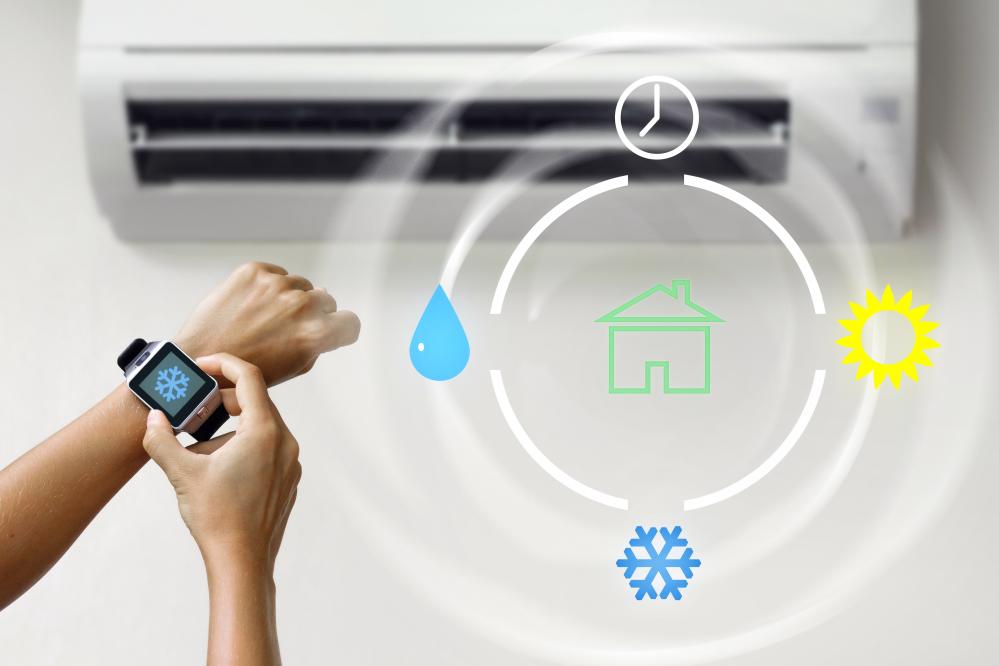
At HVAC Long Beach Masters, we’ve witnessed firsthand the transformative power of smart HVAC technology over the years. The integration of Wi-Fi connected devices has revolutionized how HVAC systems are controlled. Now, clients can manage their heating and cooling from anywhere, using mobile apps. By setting specific triggers, users avoid unnecessary energy consumption, enhancing both comfort and efficiency.
Automation in HVAC advancements ensures seamless integration with other smart home systems. Imagine your air conditioner adjusting when you’re about to arrive home. Such convenience has become a reality, saving energy while maintaining comfort. This interconnectedness allows homes to respond adaptively to weather changes and personal preferences.
Sustainable Geothermal Systems
The push towards sustainability leads us to geothermal systems, a major player among HVAC advancements. These systems harness the earth’s natural heat, offering a renewable solution for both heating and cooling. In a region like Long Beach, this translates to practical energy savings and environmental benefits.
Geothermal systems work by transferring heat between your home and the ground. Installing these systems involves an upfront investment but promises significant long-term savings. Over time, clients appreciate their reduced carbon footprint and lowered utility bills. This makes geothermal systems a worthwhile consideration for eco-conscious homeowners.
What clients love most is the silent operation and minimal maintenance of geothermal systems. The consistent comfort they provide is unmatched. These systems are efficient year-round, reducing reliance on traditional energy sources. As they gain popularity, we expect them to become common in households seeking sustainable HVAC solutions.
Ductless HVAC Systems
In our HVAC advancements portfolio, ductless systems have proven to be game-changers. They’re perfect for homes or businesses where installing traditional ductwork is impractical. These systems provide targeted heating and cooling, allowing for customized comfort in different areas or zones.
Clients often choose ductless systems for their efficiency and flexibility. Installation is straightforward, offering a cost-effective solution without extensive renovations. The zoning capability of ductless systems ensures that you only heat or cool the spaces you use, leading to substantial energy savings.
Our experience shows that these systems are compatible with smart controls. This enhances their efficiency even more, offering users the ability to manage settings remotely. Features such as geofencing and scheduling provide optimal comfort and energy management.
Predictive Maintenance
Predictive maintenance is redefining HVAC advancements through the use of IoT and AI. At HVAC Long Beach Masters, we utilize these technologies to anticipate and resolve issues before they become serious. This approach saves considerable time and money, preventing unnecessary breakdowns and extending system lifespans.
Sensors collect comprehensive data on system performance and air quality, offering insights to preempt problems. For businesses and residential clients alike, this results in pristine indoor environments and reliable operation. Predictive maintenance is invaluable, ensuring our clients experience uninterrupted comfort throughout the year.
With predictive maintenance, efficiency is maximized. Monitoring real-time data lets us schedule timely interventions, cutting down on emergency repairs. For our clients, this means fewer surprises and more control over their HVAC systems.
By improving system reliability, predictive maintenance contributes significantly to operational cost reductions. It’s an essential tool in ensuring long-term customer satisfaction and system performance.
Energy Analysis Software
In the realm of HVAC advancements, energy analysis software stands out. It empowers both us and our clients by providing detailed insights into energy consumption and system efficiency. Clients can explore potential savings, ensuring their HVAC investments are wise and cost-effective.
This software models various scenarios, helping us recommend optimal systems tailored to specific needs. The data-driven approach takes guesswork out of the equation, leading to well-informed decisions. With rising energy costs, efficient systems are more critical than ever.
Our clients value the transparency this tool provides, as it lays out clear pathways to energy savings. By comparing different HVAC advancements and systems, we can craft personalized solutions that align with clients' goals. This strengthens our commitment to providing superior service and sustainable solutions.
Smart HVAC Systems
The technological changes in HVAC industry have ushered in an era of smart HVAC systems. These systems offer enhanced connectivity and automation, making climate control more intuitive. At HVAC Long Beach Masters, we've integrated smart technology into our services, allowing residents to manage their systems remotely via smartphones. This connectivity ensures immediate response to any needs, boosting both comfort and energy savings.
Smart thermostats in these systems adapt to users' habits. They recognize patterns in usage and adjust settings accordingly, helping conserve energy. This aligns with our emphasis on environmental sustainability. By learning user behavior, smart systems optimize the operation of heating and cooling units, reducing unnecessary energy expenditures and extending equipment life.
Geothermal Heating and Cooling
Geothermal heating and cooling systems represent a leap in eco-friendly innovation. They draw from the Earth's constant underground temperature, offering a sustainable solution. These have become popular due to their efficiency and environmental benefits.
At HVAC Long Beach Masters, we see these technological changes in HVAC industry as transformative. Geothermal systems require a higher initial investment but offer lower operational costs. The reduction in conventional energy usage is significant, reflecting our commitment to climate-friendly practices.
Homeowners investing in geothermal solutions benefit from a stable and efficient system. The shift toward such sustainable technologies resonates with our mission. It aligns with our dedication to providing advanced HVAC services.
These systems also enhance indoor comfort. The consistency in temperature management epitomizes the advancements we embrace at HVAC Long Beach Masters.
Ductless Mini-Split Systems
Ductless mini-split systems have become increasingly favorable due to their flexibility and efficiency. As part of the technological changes in HVAC industry, they provide individualized climate control without the need for extensive ductwork.
Energy Efficiency and ZoningThese systems enable zoned heating and cooling, enhancing energy efficiency. At HVAC Long Beach Masters, we prioritize these systems for spaces where ductwork is not feasible. They allow for targeted climate control, which maximizes comfort while minimizing energy waste.
An added benefit is the advanced filtration they offer. This aspect boosts indoor air quality, reducing allergens and pollutants.
Predictive Maintenance
Predictive maintenance is revolutionizing how we maintain HVAC systems. By leveraging IoT and AI, these systems anticipate maintenance needs before issues arise.
At HVAC Long Beach Masters, we appreciate these technological changes in HVAC industry. Through real-time data monitoring, predictive maintenance improves system reliability. It minimizes unexpected breakdowns, thereby saving time and costs associated with emergency repairs.
Virtual Reality Training
Training through virtual reality is a novel application of technology in the HVAC industry. This method allows our technicians to refine their skills in a simulated environment.
At HVAC Long Beach Masters, we value this training approach. It equips our team with the skills necessary to handle complex installations and maintenance tasks confidently. This technological change in HVAC industry enhances both safety and efficiency in our service delivery.
The immersive nature of virtual reality ensures thorough comprehension of advanced technologies, setting a new standard in HVAC training. This commitment to innovation reinforces our position as leaders in HVAC services.

How has HVAC changed over time?
Over the last 50 years, HVAC technology has undergone a remarkable transformation. When I began my career at HVAC Long Beach Masters, systems were behemoth machines, consuming energy at astonishing rates. The oil crisis of the 1970s was a pivot point, driving the industry to prioritize energy efficiency. Fast forward to today, systems are not just smaller and more efficient but also integrate smart technology, allowing users to control their settings remotely via apps. This evolution mirrors the broader shift towards sustainability and convenience, providing comfort without compromising on energy consumption. Did you know that today’s smart thermostats can learn your habits and adjust settings automatically to save energy? It's incredible to see how far we've come!
Can HVAC last 50 years?
While the notion of an HVAC system lasting 50 years might seem appealing, the reality is more nuanced. Most modern HVAC systems are designed to last between 15 to 25 years, depending on the quality of the unit, maintenance, and usage conditions. Advances in technology have made systems more durable and efficient, but regular maintenance is key to their longevity. At HVAC Long Beach Masters, we always stress the importance of routine check-ups to ensure your system runs optimally. It's like maintaining a car; regular service keeps it running smoothly. If you’re considering the lifespan of your system, think about how energy efficiency upgrades could also play a role in extending its life while reducing operational costs.
How is HVAC changing?
HVAC technology is rapidly evolving with a focus on smart integration and sustainability. At HVAC Long Beach Masters, we’re thrilled to be at the forefront of these changes. Smart thermostats, for example, are making it easier for homeowners to manage energy consumption efficiently. Furthermore, the introduction of renewable energy sources like geothermal and solar-powered HVAC systems is helping reduce the environmental impact. These systems not only offer significant energy savings but also align with a global push towards greener solutions. Have you considered how a smart thermostat might integrate with your existing smart home devices to optimize energy use?
Have air conditioners improved in the last 10 years?
Absolutely, air conditioners have seen significant improvements in efficiency and technology over the last decade. Today’s units are not only more energy-efficient but also quieter and smarter. At HVAC Long Beach Masters, we often recommend systems that come with variable-speed compressors and inverter technology, which offer precise temperature control and reduce energy consumption. Furthermore, modern AC units can now integrate with smart home systems, providing users the convenience of remote control and automation. It’s fascinating to see how technology has transformed air conditioning from a simple cooling device to a sophisticated component of home automation. Are you interested in exploring how a modern air conditioner could cut down on your electricity bills?
What are common misconceptions about HVAC advancements?
One common misconception is that HVAC advancements only benefit new constructions or high-end homes. However, modern HVAC technologies like programmable thermostats and ductless systems can significantly enhance efficiency in older homes. Many believe that upgrading to these systems is prohibitively expensive, yet the long-term savings on energy bills often outweigh the initial investment. At HVAC Long Beach Masters, we encourage homeowners to think of it as a smart investment in comfort and sustainability. Another misconception is that advanced systems are complicated to use, when in fact, smart integrations make them more user-friendly than ever. Are there any specific concerns about integrating new HVAC technologies into your home?
How does smart technology affect HVAC systems?
Smart technology has revolutionized HVAC systems by enhancing their efficiency and user convenience. Devices like Nest or Ecobee thermostats learn user habits and adjust settings to optimize energy use. At HVAC Long Beach Masters, we often help clients integrate these technologies with broader smart home systems, allowing seamless control and automation from anywhere. This level of connectivity not only provides comfort but also supports significant energy savings. Have you thought about how smart technology could simplify managing your home's climate control?
What are the benefits of geothermal HVAC systems?
Geothermal HVAC systems offer a sustainable way to heat and cool a home by harnessing the earth’s natural and stable underground temperatures. These systems are exceptionally energy-efficient and can lead to substantial cost savings over time. At HVAC Long Beach Masters, we’ve seen firsthand how clients appreciate the quiet operation and low maintenance needs of geothermal systems. Additionally, these systems significantly reduce the carbon footprint, aligning with a growing emphasis on environmentally friendly practices. While the upfront cost can be a hurdle, the long-term benefits often justify the investment. Have you considered how installing a geothermal system might benefit both your home and the environment?
How important is predictive maintenance for HVAC systems?
Predictive maintenance is crucial for maximizing the efficiency and lifespan of HVAC systems. By utilizing IoT and AI, we at HVAC Long Beach Masters can anticipate and address potential issues before they exacerbate, saving clients from costly repairs and unexpected breakdowns. This proactive approach ensures that HVAC systems operate smoothly and efficiently throughout the year. Think of it as having a personal healthcare plan for your HVAC system; regular check-ups and preemptive fixes keep everything in top condition. Are you currently experiencing any issues that could be preemptively addressed with predictive maintenance?
How do ductless mini-split systems advance HVAC technology?
Ductless mini-split systems provide targeted climate control without the need for extensive ductwork. They are perfect for homes looking to enhance efficiency in specific zones or add heating and cooling to areas where traditional systems aren’t feasible. At HVAC Long Beach Masters, we’ve found that clients appreciate the flexibility and efficiency these systems offer, as well as their advanced filtration benefits, which improve indoor air quality. By controlling the exact temperature in different areas of your home, these systems not only boost comfort but also help reduce energy waste. Have you thought about how a ductless system might improve comfort in areas of your home that are hard to regulate?
#### Resources for HVAC Advancements- U.S. Department of Energy: The Energy Department provides resources and information about energy efficiency, renewable energy, and the latest technologies in HVAC systems.
- Environmental Protection Agency (EPA): The EPA offers insights into eco-friendly HVAC solutions and information on energy-efficient appliances and refrigerants.
- ASHRAE (American Society of Heating, Refrigerating and Air-Conditioning Engineers): ASHRAE is a global society advancing human well-being through sustainable technology. They provide standards and resources for HVAC advancements.
- National Renewable Energy Laboratory (NREL): NREL focuses on research into renewable energy technologies, including sustainable HVAC systems, offering updated insights for industry professionals.
- RESNET (Residential Energy Services Network): RESNET provides information on energy-efficient building practices and the latest in HVAC technology for residential applications.
- Office of Energy Efficiency & Renewable Energy (EERE): Part of the U.S. Department of Energy, the EERE offers comprehensive resources on energy-saving technologies for buildings, including HVAC systems.