

Importance of Indoor Air Quality
As a cornerstone of HVAC Long Beach Masters, we understand the significance of maintaining high indoor air quality in commercial settings. Not only does clean air enhance worker productivity, but it also promotes a healthy environment, free from allergens and pollutants. Being proactive about air quality is essential, particularly in bustling office spaces.
Frequently, commercial buildings face challenges with air contaminants. These can stem from various sources, including HVAC systems, materials, and external pollution. Tackling these issues is vital to ensure a pleasant and safe workplace for all occupants. By focusing on these elements, we help businesses improve their indoor air quality effectively.
Role of HVAC Systems in Indoor Air Quality
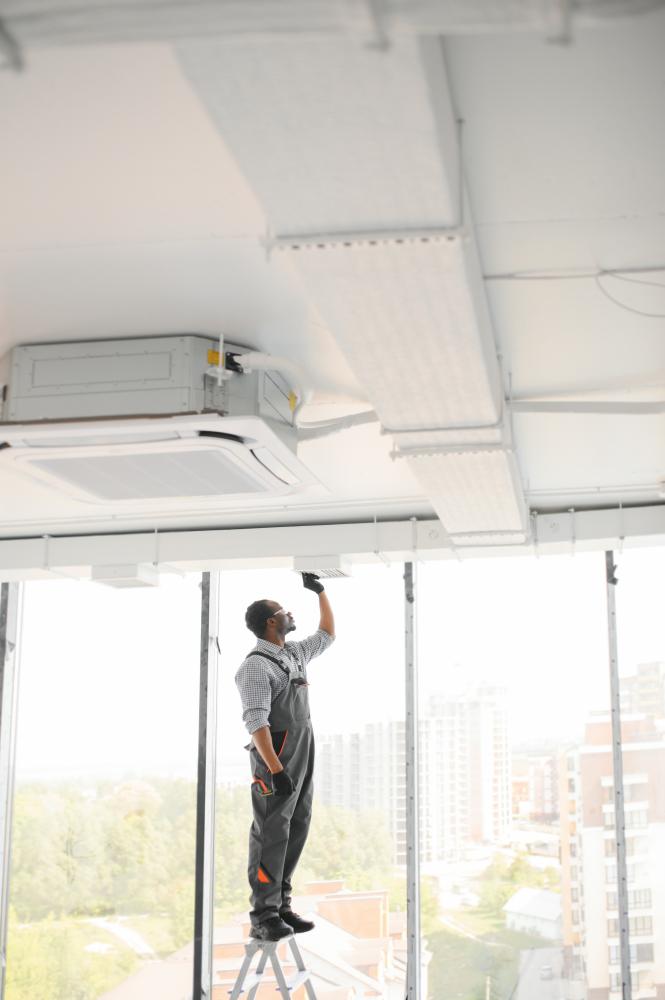
Our expertise at HVAC Long Beach Masters highlights the crucial role HVAC systems play in maintaining air quality. Regular maintenance is pivotal. This includes routine inspections, filter replacements, and system tune-ups. It ensures that the HVAC unit runs efficiently, preventing pollutant accumulation.
Equally important is the choice of filters. We recommend filters with a high Minimum Efficiency Reporting Value (MERV) rating. These filters capture more airborne particles, reducing indoor air pollution. Consultation with HVAC professionals can help determine the optimal filter for each system.
Additionally, monitoring the airflow is key. Ensuring that vents are unobstructed by furniture or other items is crucial. This allows for effective circulation and pollution reduction.
Humidity Control and Mold Prevention
Excessive humidity often leads to mold, compromising indoor air quality in commercial buildings. To combat this, managing humidity levels within buildings is vital. HVAC Long Beach Masters recommends keeping humidity between 30% and 50%.
Our services include installing and maintaining dehumidifiers and humidifiers. These help stabilize the indoor climate, preventing mold and damage to building materials. It aids in keeping office environments comfortable and healthy.
Equally crucial is the identification of moisture sources. Leaks should be promptly addressed to avoid mold growth. Proper ventilation further contributes to controlling humidity, ensuring a balanced indoor atmosphere.
Pollution Control and Source Reduction
An effective method for improving indoor air quality is controlling pollution at its source. By identifying and limiting pollutants, we reduce their impact on air quality. Often, cleaning chemicals, paints, and adhesives are primary offenders in commercial buildings.
Storing such materials in sealed containers minimizes their emission. Additionally, scheduling their use during off-hours allows proper ventilation, ensuring air quality is not compromised. This proactive approach can significantly enhance the air quality inside commercial spaces.
Using Technology to Monitor and Improve Air Quality
Integrating modern technology can significantly boost indoor air quality. HVAC Long Beach Masters advocates for the use of air quality monitoring devices. These systems provide real-time data on pollution and humidity levels, guiding necessary adjustments in the office.
Furthermore, portable air purifiers serve as an additional defense against airborne pollutants. These devices complement existing HVAC systems, particularly in areas where pollution is prevalent. By strategically placing purifiers, we ensure even those challenging spaces maintain optimal air quality.
Utilizing these technological advancements not only enhances comfort but also integrates seamlessly into existing systems—bringing commercial buildings one step closer to superior indoor air quality.

Understanding Commercial HVAC Systems
We at HVAC Long Beach Masters are committed to excellence in providing Commercial HVAC systems that keep your business environment comfortable and efficient. The essence of these systems lies in their ability to provide heating, ventilation, and air conditioning on a large scale. With years of experience under our belts, we ensure each component of the system works in harmony. Effective climate control is essential in maintaining not only comfort but also the well-being of employees and clients. Our approach prioritizes long-term efficiency and reliability.
Commercial HVAC systems are intricate networks. Unlike residential systems, they are designed to manage multiple zones within a building. Understanding the mechanics of these systems can be daunting, but that's where our expertise comes in. We’re here to break it down and manage it for you. Our team ensures that every system is tailored to fit the unique needs of your commercial space.
Benefits of Commercial HVAC Systems
Commercial HVAC systems come with a host of benefits. Primarily, they maintain a steady, comfortable indoor climate, crucial for productivity and customer satisfaction. We also focus heavily on the energy efficiency of our systems. By optimizing energy use, our systems not only reduce operational costs but also lessen environmental impacts. This commitment to sustainability sets us apart in the Long Beach area.
Moreover, these systems enhance air quality. Filtering out pollutants and regulating moisture levels are among the key benefits. This not only creates a healthier workspace but also protects equipment from damage due to humidity control. Our systems are built to last, incorporating advanced technology to ensure that they are both robust and adaptable.
Commercial HVAC systems also provide precise control over temperature zones. This flexibility allows for different departments or areas to maintain varying temperatures suitable for their specific requirements. This targeted approach maximizes comfort while optimizing energy use.
Key Components of Commercial HVAC Systems
At the heart of our Commercial HVAC systems are several vital components. Our systems feature advanced chillers, which are responsible for cooling air. These can be air-cooled or water-cooled, depending on the building's requirements. Air handlers distribute the conditioned air, a critical process for maintaining even air flow throughout the facility. Boilers and heat pumps step in for heating needs, ensuring all-year-round comfort.
An often-overlooked component is the ventilation system. Proper ventilation is crucial for removing stale indoor air and ensuring a steady flow of fresh air. This balance is essential for maintaining optimal indoor air quality. We use state-of-the-art air filtration systems to capture allergens and bacteria, contributing to a safer, healthier indoor environment.
Maintenance and Efficiency
Regular maintenance is key to the longevity and efficiency of Commercial HVAC systems. At HVAC Long Beach Masters, we schedule proactive maintenance to avoid costly repairs down the line. Routine checks identify potential issues early, saving you time and unexpected expenses.
Efficiency doesn't end with the initial installation. Our team conducts regular updates and calibration to ensure your system operates at peak performance. This includes cleaning ducts, checking refrigerant levels, and inspecting each system component for wear and tear.
In essence, effective maintenance ensures that the Commercial HVAC systems perform optimally, keeping operational costs low while maintaining ideal indoor conditions. Contact us today, and let our expert team take the hassle out of HVAC maintenance.
Our Commitment to Quality
We pride ourselves on delivering top-notch service and unparalleled expertise in the Commercial HVAC systems sector. Our technicians are continually trained to stay ahead of industry trends and technological advances. We believe in transparent customer interactions and offer detailed consultations to tailor our solutions to your specific needs.
Our commitment to quality extends beyond installations. We build lasting relationships with our clients, ensuring they receive reliable support whenever needed. The positive feedback from our satisfied customers in Long Beach is a testament to our dedication and proficiency.
In conclusion, whether you need installation, repair, or maintenance of your Commercial HVAC systems, HVAC Long Beach Masters is your trusted partner. Let us bring comfort, efficiency, and peace of mind to your commercial space. Reach out today to explore how we can enhance your business environment.
Essential Features of Air Filtration Systems
When discussing air filtration systems, it's crucial to consider the features that make them effective. These systems come equipped with filters specifically designed to trap particles and pollutants, improving indoor air quality significantly. Air filters, often made from woven fibers or fine mesh, capture dust, pollen, and even microscopic particles. This is crucial for maintaining a clean environment in both residential and commercial spaces.
HEPA filters are a hallmark of advanced air filtration systems, famed for their ability to capture particles as small as 0.3 microns with 99.97% efficiency. These are common in air purifiers, enhancing air quality by removing allergens and pollutants. Moreover, some systems incorporate activated carbon filters. These are particularly useful in eliminating odors and volatile organic compounds (VOCs), thus ensuring fresh and breathable air.
In today's increasingly polluted urban settings, air filtration systems have become indispensable. They not only purify the air but also contribute significantly to the health and overall well-being of individuals. Whether installed in homes, offices, or industrial setups, these systems are vital in protecting against airborne diseases and enhancing life quality.
Tailoring Systems to Individual Needs
Customizing air filtration systems to meet specific needs is key to maximizing their efficiency. At our organization, we always assess the unique requirements of each space. For instance, in larger commercial areas, a robust system capable of covering extensive square footage is essential. On the other hand, residential setups may only require smaller, portable units.
Moreover, the type of air contaminants prevalent in a specific environment dictates the choice of filtration systems. For spaces with high levels of chemical fumes, such as laboratories or nail salons, systems with activated carbon filters are recommended. Meanwhile, allergy sufferers might prioritize units with advanced HEPA filters. This tailored approach ensures that the chosen systems effectively address all air quality concerns.
Maintaining Air Filtration Systems
Regular maintenance is crucial for the optimal functioning of air filtration systems. It not only prolongs the lifespan of the equipment but also ensures that they operate at peak efficiency. Our team emphasizes the importance of periodic checks and filter replacements as part of a comprehensive maintenance program.
Filters can become clogged over time, which reduces airflow and forces the system to work harder. By replacing or cleaning filters regularly, you can prevent this issue and maintain energy efficiency. This, in turn, can result in lower energy bills, adding an economic benefit to the health advantages these systems provide.
Innovative Technologies
Air filtration systems have come a long way, incorporating various innovative technologies that enhance their performance. For instance, our installations include UV-C light technology, which can destroy microorganisms in the air, offering an additional layer of protection. This technology is particularly effective in environments where bacterial contamination is a concern.
Another innovation is the integration of smart technology, allowing users to control their systems remotely. Through mobile apps, users can adjust settings, monitor air quality in real-time, and receive alerts when maintenance is due. This empowers users with convenience and the capability to ensure optimal indoor air quality at all times.
Such advancements make air filtration systems not just a necessity but also a smart investment for healthier living and working spaces. They underscore our commitment to providing state-of-the-art solutions that cater to evolving customer needs.
Importance in Commercial Settings
In commercial spaces, air filtration systems play a crucial role in ensuring a healthy environment for both employees and clients. Poor air quality can significantly affect productivity and increase absenteeism due to health issues. Thus, investing in reliable air filtration systems is a wise decision for businesses aiming to foster a healthy and productive workforce.
These systems are especially vital in industries where air quality affects product quality, such as food and beverage or electronics manufacturing. They not only ensure compliance with industry standards but also protect sensitive processes from airborne contamination. By doing so, businesses safeguard their operations and maintain high-quality outputs, which ultimately affects their reputation and bottom line.
What are 3 strategies to improve indoor air quality?
As HVAC Long Beach Masters, we prioritize a comprehensive approach to improving indoor air quality, especially in commercial spaces. Here are three key strategies we recommend:
Firstly, regular maintenance of HVAC systems is crucial. This entails routine inspections and prompt filter replacements, ensuring the system operates efficiently and removing potential pollutant sources.
Secondly, control humidity levels to prevent mold and mildew growth. We use dehumidifiers and humidifiers to maintain humidity between 30% and 50%, which is optimal for comfort and air quality.
Lastly, integrate modern technology like air quality monitoring devices. These tools provide real-time data on pollution levels, enabling timely adjustments to maintain a healthy indoor environment.
By adopting these strategies, you're not just enhancing air quality but also boosting productivity and well-being in your workspace. Have you considered how these strategies might be applied in your building?
How can indoor air quality be improved in offices?
Improving indoor air quality in offices is vital for creating a productive and healthy work environment. At HVAC Long Beach Masters, we suggest focusing on a few key areas:
Start by ensuring regular HVAC maintenance. This includes checking and replacing filters, which can significantly reduce airborne contaminants. Also, make sure that ventilation systems are unobstructed to allow proper airflow.
Consider using high-efficiency particulate air (HEPA) filters, as they are exceptionally effective in capturing dust, pollen, and even bacteria. Additionally, utilizing portable air purifiers can offer extra protection against pollutants in specific office areas.
Another step is to manage indoor humidity levels. Too much moisture can lead to mold, so aim for a balanced humidity level. A simple humidity gauge can help monitor and adjust accordingly.
Implement these strategies, and your office will see noticeable improvements in air quality, leading to happier and healthier employees. What specific challenges have you faced in maintaining good air quality in your office?
Is poor air quality an OSHA violation?
Yes, poor indoor air quality can indeed be a concern under OSHA regulations, as it can impact employee health and safety. Although OSHA does not have specific air quality standards, employers are required under the General Duty Clause to provide a workplace that is free from recognized hazards that could cause serious harm or death. This includes managing air quality to prevent respiratory issues or other health problems.
For us at HVAC Long Beach Masters, we emphasize compliance with guidelines that can indirectly affect air quality, such as maintaining cleanliness to prevent mold or using safe levels of chemicals and materials. By ensuring efficient ventilation and proper HVAC system maintenance, businesses can mitigate risks and create a safer environment.
Have you explored how your current air quality aligns with OSHA's general requirements? Let’s discuss some practical steps you can take to address any concerns effectively.
What are the four principles for achieving good indoor air quality?
In our experience at HVAC Long Beach Masters, there are four essential principles to achieving good indoor air quality, particularly in commercial buildings:
The first principle is source control. Identify and eliminate or reduce sources of air pollution within the building. This could mean using low-VOC materials or ensuring proper storage of chemicals.
Second, ensure proper ventilation. Efficient ventilation systems help dilute and remove indoor air pollutants, bringing in fresh outside air to replace stale indoor air.
The third principle involves humidity control. Maintaining appropriate humidity levels helps inhibit the growth of mold and dust mites, both of which can adversely affect air quality.
Finally, air filtration is paramount. Use high-quality filters that can capture a range of pollutants, and regularly maintain these systems for optimal operation.
By adhering to these principles, you can effectively manage and enhance indoor air quality. Have you implemented any of these principles in your facility, and what results have you observed?
How do Commercial HVAC systems benefit indoor air quality?
Commercial HVAC systems, when properly maintained and optimized, significantly enhance indoor air quality. At HVAC Long Beach Masters, we’ve seen firsthand how these systems become the backbone of a healthy indoor environment.
Primarily, commercial HVAC systems regulate temperature and humidity levels, which prevents mold growth and maintains comfort. Well-balanced humidity levels also prevent respiratory issues caused by too dry or too humid air.
Moreover, these systems are equipped with advanced filtration capabilities. By using filters with a high MERV rating, they can effectively capture dust, allergens, and even microscopic pollutants, ensuring cleaner air.
Additionally, commercial HVAC systems facilitate adequate ventilation through air exchange processes, replacing stale indoor air with fresh air from outside. This aids in diluting indoor pollutants and maintaining a healthy indoor atmosphere.
Have you considered the state of your current HVAC system and how it supports air quality? Upgrading or maintaining your system might be the next step to take for enhanced air quality.
Why are air filtration systems essential in commercial settings?
Air filtration systems are crucial in commercial settings for creating a healthy and productive environment. We at HVAC Long Beach Masters emphasize their importance for several reasons.
Firstly, they play a key role in removing airborne pollutants such as dust, pollen, and smoke, which can affect the health and productivity of employees. HEPA filters, in particular, are excellent for capturing these particles.
Secondly, air filtration systems can neutralize odors and volatile organic compounds (VOCs) with the help of activated carbon filters, keeping the indoor environment fresh and pleasant.
Another benefit is their ability to safeguard sensitive equipment and processes, especially in industries like electronics and pharmaceuticals, where air quality directly impacts product quality and safety.
Finally, by maintaining clean air, these systems help reduce absenteeism and improve employee morale, directly affecting a company’s bottom line. Consider how an investment in air filtration might benefit your organization, both in health and productivity.
Resources
- Environmental Protection Agency (EPA) – The EPA provides extensive resources on indoor air quality and offers guidelines to improve air quality in commercial and residential settings.
- Occupational Safety and Health Administration (OSHA) – OSHA outlines regulations and guidelines to ensure workplaces are free from recognized hazards including poor indoor air quality.
- U.S. Department of Energy (DOE) – The DOE offers information on energy-efficient HVAC systems and their role in maintaining optimal indoor air quality.
- American Society of Heating, Refrigerating and Air-Conditioning Engineers (ASHRAE) – ASHRAE sets standards and guidelines to ensure efficient and high-performing HVAC systems, crucial for good indoor air quality.
- American Lung Association – This organization provides insights and advice on maintaining clean air indoors, which is vital for respiratory health.