

Understanding the Importance of HVAC
As someone deeply involved with the HVAC systems, I've seen how critical the right setup can be in reducing indoor allergens. Many don't realize that your HVAC system is not just about temperature control. It's also a potent tool in maintaining a healthy home environment. So, when we talk about how to reduce indoor allergens with the right HVAC setup, we're focusing on using this system to its fullest potential.
Properly maintained HVAC systems can dramatically improve your home's air quality. The filters trap particles like dust, pet dander, and pollen. Unfortunately, without regular maintenance, these filters can become ineffective. This is why routine checks are vital in ensuring that allergens don't build up in your living spaces.
Using high-efficiency particulate air (HEPA) filters is one way to enhance allergen removal. These filters capture a majority of particles, ensuring cleaner air in your home. Implementing these can be a game-changer for individuals with severe allergies.
Choosing the Right HVAC Features
When thinking about how to reduce indoor allergens with the right HVAC setup, selecting suitable system features is essential. For allergy sufferers, air filters play a significant role. HEPA filters, for example, can trap smaller particles more effectively.
Humidity control is another crucial feature. High humidity levels can turn your home into an allergen haven. Dust mites and mold thrive in such conditions. Thus, integrating dehumidifiers within your HVAC system can negate this risk. Maintaining the optimal humidity level keeps allergens at bay.
Regular maintenance of your HVAC system is non-negotiable. Over time, even the most efficient system can bog down with pollutants if not properly cared for. Ensure filters are replaced routinely, and the system is serviced by professionals regularly.
Smart thermostats can support these efforts by allowing precise control over your HVAC settings. By keeping the environment consistent, you reduce opportunities for allergens to accumulate.
Integrating Advanced Technologies
Advanced technologies are steadily becoming integral to HVAC systems. When exploring how to reduce indoor allergens with the right HVAC setup, these resources can't be overlooked. For instance, UV light systems can sterilize air passing through the HVAC.
These devices help reduce mold and bacteria, ensuring air quality remains optimal. By killing these microorganisms, you're addressing one of the root causes of allergen proliferation.
Another innovative addition is carbon-based filters. They are excellent at removing odors and VOCs, contributing to a fresher indoor atmosphere. These filters are particularly beneficial in households with pets, as they efficiently capture pet dander too.
Our professional experience at HVAC Long Beach Masters demonstrates that integrating these technologies can significantly elevate your home's air quality. Clients often report immediate improvements in allergy symptoms after implementing these advanced solutions.
Practical Steps for HVAC Maintenance
For those pondering how to reduce indoor allergens with the right HVAC setup, maintenance cannot be overstated. Regular system checks ensure that everything runs smoothly. Begin by replacing air filters every three months, or more frequently if necessary.
Keep an eye on ducts and vents. Dust accumulation is a common issue that can obstruct airflow. Schedule professional cleanings to prevent this. Our team at HVAC Long Beach Masters has found that these cleanings can make a substantial difference in air quality.
Calibrating your HVAC system for seasonal changes is also important. This ensures the system operates efficiently, providing optimal air circulation and filtration year-round.
Customized Solutions for Allergen Reduction
Every home is unique, and so are its HVAC needs. Understanding how to reduce indoor allergens with the right HVAC setup often requires a tailored approach. At HVAC Long Beach Masters, we emphasize customized solutions, considering each client's specific circumstances.
We conduct thorough assessments of your home, taking into account factors like space size, existing allergen levels, and occupants' health conditions. This helps us recommend the most effective strategies and technologies. The aim is always to maximize air quality while maintaining energy efficiency.
Besides equipment installation, educating clients about proper HVAC usage is part of our service. Simple steps like setting the thermostat to appropriate temperatures or keeping windows closed during high pollen seasons can have a significant impact.
Ultimately, creating a cleaner indoor environment is a collaborative effort. With the right information and tools, homeowners can enjoy a healthier space, free from unnecessary allergens.
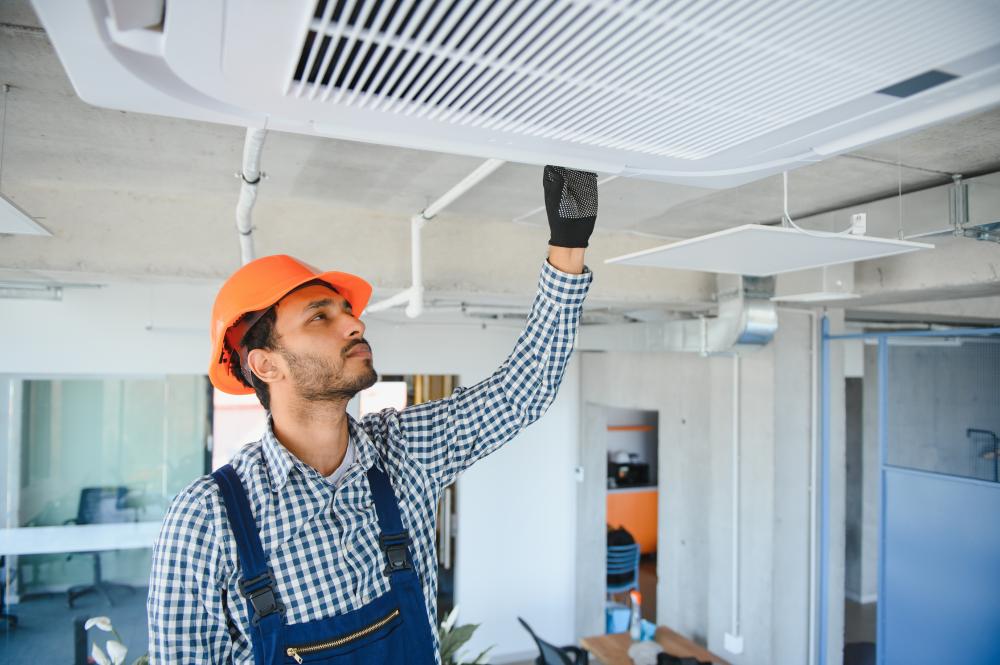
Strategies for Indoor Air Quality Improvement
At HVAC Long Beach Masters, we understand the importance of maintaining optimal indoor air quality. In our professional experience, the three cornerstone strategies for Indoor Air Quality Improvement have proven to be source control, enhanced ventilation, and effective air filtration systems.
Source Control: The most effective strategy we employ involves removing or sealing pollutant sources. Common sources include asbestos, gas appliances, and certain construction materials. We’ve found that adjusting gas stoves or sealing asbestos-containing materials can significantly reduce pollutants, offering a cost-effective solution compared to ventilation upgrades.
Improved Ventilation: Increasing outdoor air inflow is another method we advocate for. We often suggest clients use window fans, or even more advanced systems like heat recovery ventilators, to enhance indoor air exchange. Ensuring your heating and cooling setups allow fresh air intake is key. This strategy, however, requires a balance to mitigate indoor-outdoor pollutant transfer, especially in areas with poor outdoor air quality.
The Role of Air Cleaners in Indoor Air Quality Improvement
Air cleaners play a pivotal role in Indoor Air Quality Improvement. From our extensive experience, we believe choosing the right air cleaner is crucial. There are numerous types, ranging from simple tabletop models to comprehensive whole-house systems.
Effectiveness: During installations, our focus is on systems that efficiently remove particles. While high-efficiency models capture more pollutants, the air movement rate also affects performance. We’ve observed that over time, adherence to manufacturer maintenance guidelines ensures consistent air cleaner effectiveness.
Limitations: Interestingly, some claims about houseplants purifying air have not shown practical benefits in typical homes. Thus, we don't recommend relying on them for substantial Indoor Air Quality Improvement. Instead, our priority is installing high-performance air filtration systems tailored to client needs.
Energy-Efficient Solutions for Indoor Air Quality Improvement
Energy efficiency complements Indoor Air Quality Improvement efforts. By decreasing energy consumption, we indirectly reduce power plant emissions, benefiting overall air quality.
Our team advises frequent furnace filter replacements, opting for appliances with EnergyStar certification, and using energy-efficient lighting solutions. Trees around homes can also aid by filtering pollutants naturally, contributing to a sustainable ecosystem.
Additionally, HVAC systems we install often come with specialized filters, designed to minimize allergen and bacteria presence. This aligns with our commitment to ensuring environments are not only energy-efficient but also promotive of health.
Regular maintenance checks and system tune-ups are strategies we recommend to keep energy use minimal yet effective, offering both environmental and cost benefits.
Personal Experiences with Indoor Air Quality Improvement
At HVAC Long Beach Masters, our hands-on experiences have shaped our strategies for Indoor Air Quality Improvement. We've tackled various indoor environments, each presenting unique challenges and learning opportunities.
When dealing with older homes, air leakage often compromises air quality. We've discovered that integrating mechanical systems that actively manage air exchange yields impressive results. Similarly, commercial settings demand robust solutions, where smart HVAC systems play a significant role.
Our client feedback frequently highlights improvements in comfort and health following our interventions, underscoring the importance of tailored Indoor Air Quality Improvement strategies. Customer satisfaction remains at the heart of our service approach, inspiring ongoing innovation and excellence in our field.
Importance of HVAC Filter Maintenance
At HVAC Long Beach Masters, we emphasize the importance of HVAC Filter Maintenance. Regular maintenance ensures that your heating and cooling system operates at peak efficiency. It also protects your indoor air quality. As filters capture dust, pollen, and other pollutants, they prevent these particles from circulating through your home. This not only improves air quality but also reduces health risks associated with poor ventilation.
Neglecting HVAC Filter Maintenance can lead to system inefficiencies. When filters become clogged, your HVAC system struggles to maintain desired temperatures. This increases energy consumption, resulting in higher utility bills. Regular inspection and changing of filters mitigate these issues.
Types of Filters and Their Benefits
Understanding the types of filters available is crucial for effective HVAC Filter Maintenance. At HVAC Long Beach Masters, we guide our clients in choosing the right filter for their systems. Fiberglass filters are popular due to their affordability, but they offer minimal filtration capabilities. They are often suitable for systems that require basic protection against large particles.
Pleated filters, on the other hand, provide better filtration. Their increased surface area traps more pollutants, making them ideal for households with pets or allergies. For even better air quality, electrostatic filters are an excellent choice. They use static electricity to trap particles and can often be cleaned and reused, offering a balance of cost-effectiveness and efficiency.
HEPA filters, known for their high efficiency, are recommended for those suffering from respiratory issues. They filter out the majority of harmful particles, ensuring pristine air. However, not all HVAC systems are compatible with HEPA filters, so consultation with a professional is advised.
Professional HVAC Filter Maintenance
While some aspects of HVAC Filter Maintenance are simple, such as replacing disposable filters, other tasks require professional expertise. Our team at HVAC Long Beach Masters is equipped to handle these complexities. We have found that a scheduled maintenance program can extend the lifespan of your system dramatically. During a maintenance visit, we thoroughly check each component of your HVAC system.
Professional maintenance involves more than just switching out filters. It includes inspecting system components for wear and tear, verifying airflow, and ensuring that the unit operates efficiently without strain. We recommend scheduling professional HVAC Filter Maintenance at least twice yearly to prevent unexpected breakdowns and maintain optimal performance.
Our technicians also offer personalized advice on maintaining your system between professional visits, tailored to your specific HVAC setup and lifestyle needs. This proactive approach helps in catching small issues before they become costly repairs.
Personal Insights on Filter Maintenance
From our experience, HVAC Filter Maintenance is not just a routine task but a critical aspect of home management. We’ve received numerous calls from clients experiencing decreased system performance, only to find neglected filters as the culprit. Personal diligence in filter maintenance can alleviate many common HVAC problems. By making it a habit, you ensure not only a more efficient HVAC system but also a healthier home environment.
It's often surprising how overlooked this simple task can be, leading to preventable issues. Consistent maintenance brings peace of mind, knowing your air is clean and your system is functioning well. Our anecdotal evidence shows that clients who stay on top of their HVAC Filter Maintenance report fewer service visits and enjoy lower energy costs.
Energy Savings Through Consistent Maintenance
Regular HVAC Filter Maintenance offers significant energy savings. When filters are clear, air flows more efficiently through your system. This reduces the workload on your HVAC unit, which decreases energy consumption. Our clients in Long Beach often express satisfaction at discovering a drop in their energy bills following regular maintenance. This reinforces the value of keeping your system well-maintained.
Additionally, using energy-efficient filters, such as pleated and electrostatic options, can enhance these savings further. By investing in the right filter type, you contribute to a more sustainable environment while reducing operational costs. At HVAC Long Beach Masters, we aim to help our clients achieve these benefits through informed choices and consistent maintenance practices.

Reducing Indoor Allergens with the Right HVAC Setup
How do you fight indoor allergens?
At HVAC Long Beach Masters, we've found that fighting indoor allergens effectively starts with a proper HVAC setup. One of the key components is using a high-efficiency particulate air (HEPA) filter. These are excellent at trapping allergens such as dust, pet dander, and pollen, improving the overall air quality in your home. Regular maintenance is crucial—ensuring filters are replaced every three months or more frequently if necessary is a practical step many overlook. Additionally, integrating dehumidifiers can control moisture levels, preventing mold growth and dust mite proliferation, which are common allergen sources.
Imagine facing fewer allergy-related discomforts simply because your environment is cleaner and better controlled. What might that mean for your daily life and comfort? Feel free to reach out to us if you want to explore custom solutions tailored to your home.
Does running HVAC fans help with allergies?
Running HVAC fans can indeed aid in managing allergies by consistently circulating air and filtering it through the HVAC system, maintaining a cleaner environment. However, it's vital to ensure that the system is equipped with suitable filters, such as HEPA filters, to trap allergens effectively. We often advise our clients at HVAC Long Beach Masters to utilize smart thermostats to optimize fan usage—running fans during higher pollen count periods can significantly reduce allergens indoors.
Have you experienced a noticeable difference in your allergies when you keep your fans running? It's a simple yet effective strategy. Let us know your thoughts!
Why do my allergies get worse when the AC is on?
When you notice worsening allergies with the AC on, it might be due to an unmaintained HVAC system. Dirty filters, ducts, and vents can circulate trapped dust, pollen, and mold spores back into your space instead of removing them. At HVAC Long Beach Masters, we stress the importance of regular HVAC maintenance. Thorough cleaning of ducts and timely filter replacements can prevent allergens from building up and circulating throughout your home.
Imagine the difference in air quality a well-maintained system can make. Have you checked your HVAC system's maintenance schedule lately?
Do HVAC filters help with allergies?
Absolutely, HVAC filters can significantly help with allergies. The right choice of filter, especially if it’s a HEPA filter, can efficiently capture airborne particles that trigger allergic reactions. At HVAC Long Beach Masters, we often recommend pleated or electrostatic filters to households, particularly those with pets or allergy sufferers. These filters are designed to capture smaller particles, making a considerable impact on indoor air quality.
Opting for the correct filter type tailored to your HVAC system and specific needs is essential. Why not consider upgrading your filters and seeing what a difference it can make in your allergy symptoms?
What are some effective strategies for improving indoor air quality with an HVAC setup?
Improving indoor air quality with the right HVAC setup involves multiple strategies. Source control, such as sealing off pollutant sources, is foundational. For instance, addressing potential asbestos issues or gas appliance adjustments can drastically lower pollutants. Enhanced ventilation is another key aspect, where systems like heat recovery ventilators boost fresh air inflow, though careful management is needed to mitigate outdoor pollutants. Finally, air filtration remains pivotal, with advanced options like carbon-based or HEPA filters offering excellent pollutant capture.
Each home presents unique challenges, and at HVAC Long Beach Masters, we emphasize tailored solutions. What steps have you considered or implemented to enhance your air quality at home?
Why is HVAC filter maintenance crucial for both air quality and system efficiency?
HVAC filter maintenance is crucial because it directly impacts both air quality and the efficiency of your system. Filters trap dust, pollen, and other pollutants, but when they're clogged, these particles can circulate through your home, decreasing air quality and exacerbating allergies. Moreover, a clogged filter makes your HVAC system work harder, increasing energy consumption and utility costs. At HVAC Long Beach Masters, we ensure filters are replaced regularly, typically every three months, to maintain optimal air quality and efficiency.
We've had numerous clients who've seen their energy bills drop noticeably after regular maintenance. How might consistent filter upkeep transform your home's air quality and energy efficiency? Let us know if you're curious about specific maintenance plans.
###Resources
- Environmental Protection Agency (EPA) – The EPA provides comprehensive information on indoor air quality, including guidance on HVAC systems' role in reducing indoor allergens and improving air quality.
- U.S. Department of Energy – This resource offers insights on energy-efficient HVAC systems and technologies that can help improve air quality and reduce allergens indoors.
- Centers for Disease Control and Prevention (CDC) – The CDC provides valuable information on managing allergies and asthma, including tips on maintaining a healthier indoor environment through proper HVAC maintenance.
- American Society of Heating, Refrigerating and Air-Conditioning Engineers (ASHRAE) – ASHRAE offers standards and guidelines for HVAC systems design and maintenance aimed at improving indoor air quality and reducing allergens.
- Office of Energy Efficiency & Renewable Energy (EERE) – Part of the U.S. Department of Energy, EERE provides resources on energy-efficient technologies and practices for HVAC systems, contributing to improved indoor air quality.
- National Institutes of Health (NIH) – The NIH conducts research on indoor allergens and respiratory health, offering insights and recommendations for using HVAC systems to mitigate allergen exposure.