

Understanding Customization in HVAC Systems
At HVAC Long Beach Masters, we believe that no two large-scale industrial facilities are the same, which is why customized HVAC Solutions for Large-Scale Industrial Facilities are paramount. Each facility demands a unique approach to regulation of air quality, temperature, and humidity levels to maintain optimal functionality for both machinery and workforce.
Our team prioritizes the assessment of individual facility needs. We take into account aspects such as geographical location, specific industrial processes, and layout. It's about crafting a bespoke system that delivers efficient heating, ventilation, and air conditioning solutions, tailored to meet these distinct requirements.
Customized systems aren’t just about meeting current needs; they are designed with foresight. This means considering scalability for future expansion or modifications, ensuring that the HVAC system evolves with the facility.
Energy Efficiency and Cost Effectiveness
Our industrial HVAC solutions focus extensively on energy efficiency. Optimizing energy use not only minimizes environmental impact but also significantly reduces operational costs. We achieve this by integrating cutting-edge technologies and innovative designs, such as modular systems or renewable energy integration.
A well-optimized HVAC system can significantly lower energy consumption without compromising on performance. This directly translates to reduced operational costs, which is invaluable for large-scale facilities operating on tight margins.
It's essential to understand that cost savings aren't just about reduced energy bills. Our tailored systems are designed for longevity and ease of maintenance, which cuts down on unexpected repair costs and downtime, ensuring a smooth operational flow.
Enhancing Productivity and Compliance
Creating a comfortable working environment is crucial, not just for employee satisfaction but also for productivity. Our HVAC Solutions for Large-Scale Industrial Facilities aim to maintain optimal indoor conditions, preventing machinery malfunctions that can be caused by inappropriate temperature or humidity levels.
Maintaining compliance with environmental regulations is another pivotal aspect of our solutions. Tailored HVAC systems help facilities stay aligned with stringent standards, which is increasingly crucial in today’s regulatory climate.
From energy-efficient solutions to reduced emissions, our systems support facilities in meeting compliance while optimizing performance. This balance is key to ensuring operational integrity and long-term success.
In addition, by improving air quality through advanced filtration systems that eliminate bacteria and allergens, we enhance both the health of the workforce and the efficiency of sensitive equipment.
Innovative Design and Technology Integration
We pride ourselves on our commitment to innovation and technology integration in HVAC Solutions for Large-Scale Industrial Facilities. Utilizing the latest advancements, our systems incorporate smart technologies for improved operation and control.
For instance, variable refrigerant flow systems allow for precise temperature control across different zones. This flexibility ensures the comfort of employees while maintaining the specific requirements of various industrial processes.
Continual evolution in technology drives us to incorporate solutions such as IoT-based monitoring and control systems. These systems enable proactive maintenance and operational adjustments, ensuring systems run efficiently with minimal disruption.
Importance of Regular Maintenance and Support
Regular maintenance of HVAC systems is critical for ensuring long-term efficiency and reliability. We underscore the importance of having a trusted partner for scheduled maintenance and emergency repairs.
Our experienced team at HVAC Long Beach Masters offers comprehensive support and maintenance services, tailored to keep systems operating at peak performance. Routine checks, timely interventions, and expert insights help avoid costly downtimes and extend the life of your HVAC Solutions for Large-Scale Industrial Facilities.
Our approach is proactive, not reactive. By monitoring system performance and addressing potential issues before they escalate, we ensure your facility remains operationally sound, maximizing productivity and reducing unexpected costs.
Understanding Industrial HVAC Systems
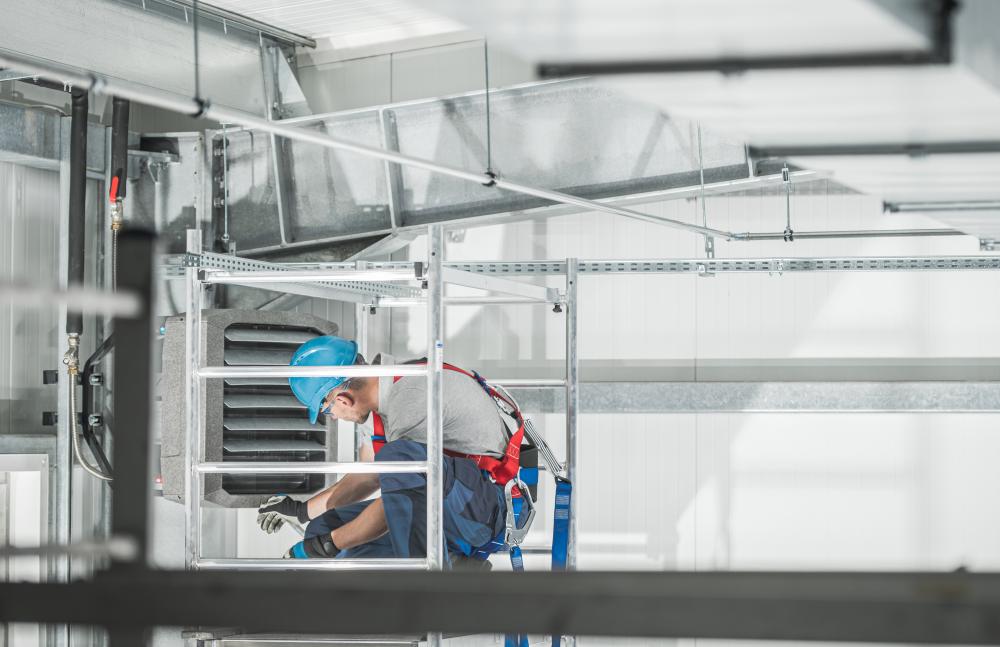
At HVAC Long Beach Masters, we immerse ourselves in the world of Industrial HVAC Systems. These systems are vital for maintaining optimal climate control in large facilities, like factories or expansive office buildings. While residential HVAC units focus on individual comfort, industrial systems are designed for larger spaces, catering to complex needs such as humidity control, toxic fume management, and energy-saving concerns.
What sets Industrial HVAC Systems apart is their size and complexity. These units are massive, often residing on rooftops to keep noise and heat away from workers. Modular designs allow for customization, ensuring each facility receives a system tailored to its unique requirements. Not just about heating and cooling, these systems embrace a holistic approach to indoor air quality.
Components and Equipment
Every Industrial HVAC System comprises several key components. Among these are chillers, compressors, and cooling towers. Chillers play a crucial role by removing heat from the environment. Compressors, on the other hand, elevate the pressure and temperature of refrigerant gases, streamlining the cooling process. Cooling towers contribute by dissipating heat gathered from the system, thus maintaining an efficient operation.
Our team frequently handles control systems, which provide an interface for precise regulation of the indoor climate. Automated controls adjust temperatures and airflow as needed, ensuring both energy efficiency and comfort. In addition to these, fans and ventilation systems guarantee adequate air circulation, crucial for maintaining a breathable environment within industrial spaces.
Maintaining Efficacy in Industrial HVAC Systems
Regular maintenance is non-negotiable for Industrial HVAC Systems. These complex machines require consistent attention to maintain their efficacy and longevity. At HVAC Long Beach Masters, we emphasize proactive inspections and upkeep. By regularly servicing these systems, we help business owners avoid costly repairs and ensure that their units operate at peak performance.
Energy consumption is a significant concern with Industrial HVAC Systems. Proper maintenance can reduce energy costs substantially. Studies suggest that well-maintained systems can cut down energy consumption by nearly 15-20%. This not only lowers operational expenses but also minimizes the carbon footprint, aligning with modern sustainability goals.
Unique Challenges and Solutions
Industrial HVAC Systems come with their own set of challenges. The sheer scale of these systems means that even minor issues can escalate quickly if not addressed. One such example is the buildup of debris in filters or ducts, which can severely hinder airflow and efficiency. Our technicians are trained to tackle these common issues with precision and expertise.
Another challenge is adapting to ever-evolving technology and environmental standards. As regulations change, businesses must ensure their systems comply while still achieving top performance. Our team stays ahead of trends, implementing innovative solutions and offering tailored consultations to each of our industrial clients.
Finally, it's essential to recognize the emotional and physical comfort that proficiently managed Industrial HVAC Systems provide. When systems work smoothly, employees feel more comfortable, productivity increases, and businesses thrive. At HVAC Long Beach Masters, we pride ourselves on delivering these benefits to our clients.
Understanding Commercial Heating and Cooling Solutions
The world of Commercial Heating and Cooling Solutions can be complex, but at HVAC Long Beach Masters, we simplify it for you. Businesses need efficient systems to ensure a comfortable work environment. Our experience has taught us that every building has unique challenges. This is why we offer tailored solutions to match specific needs. From energy-efficient units to comprehensive maintenance plans, we provide the best options.
In commercial spaces with varying occupancy and usage patterns, zoning can play a crucial role. Creating zones within buildings allows for customized temperature control, enhancing comfort while reducing energy consumption. Our team is skilled in designing and implementing these systems.
Importance of Maintenance in Commercial Setups
Regular maintenance is vital for the longevity of commercial heating and cooling systems. At HVAC Long Beach Masters, we emphasize preventive maintenance. It’s not just about fixing issues; it’s about preventing them. Regular check-ups help us catch potential problems early on. This proactive approach saves businesses both time and money.
The impact of a well-maintained HVAC system goes beyond just operational efficiency. It also improves indoor air quality. This is crucial for the health and productivity of employees. With our maintenance plans, businesses can rest assured that their air systems are always in top shape.
We recommend bi-annual service checks. These ensure optimum performance, especially during peak seasons. Our experts are thorough, inspecting everything from air filters to blower motors. We believe in meticulous attention to detail.
Innovative Commercial Installations
At HVAC Long Beach Masters, we take pride in our forward-thinking installation services. The right system design and installation can transform a commercial space. We evaluate building specifics to recommend the best solutions. This includes high-efficiency systems and cutting-edge technologies.
One innovative approach we employ is the use of ductless mini-split systems. These are ideal for sections of a building that are hard to reach with traditional ductwork. They offer flexibility, energy efficiency, and precise temperature control.
Cost-Effective Commercial HVAC Solutions
Budget-conscious commercial clients appreciate our cost-effective Commercial Heating and Cooling Solutions. Our team provides solutions that do not compromise on quality. We work closely with you to choose systems that match your budget and needs. This can include high-efficiency units that lower energy bills, providing savings over time.
Energy efficiency is not just a trend; it’s a necessity. Our solutions prioritize minimal environmental impact. From energy-saving thermostats to smart control systems, we integrate technology to maximize savings.
Additionally, we offer financing options tailored to businesses. This flexibility ensures that essential upgrades are attainable without straining financial resources.
Customer-Centric Services and Support
Customer satisfaction is at the heart of everything we do at HVAC Long Beach Masters. Our focus is not only on delivering outstanding Commercial Heating and Cooling Solutions but also on ensuring a seamless experience. When issues arise, our team is ready to respond promptly. We not only solve problems but also educate our clients to prevent future occurrences.
Feedback from our clients often highlights our quick response times and the professionalism of our team. We value these relationships and continuously strive to improve.
In commercial settings, every hour of downtime can be costly. Our 24/7 emergency services are designed to minimize disruption. We are always just a call away, ready to restore comfort and efficiency to your business.
Which HVAC system is best for commercial building?
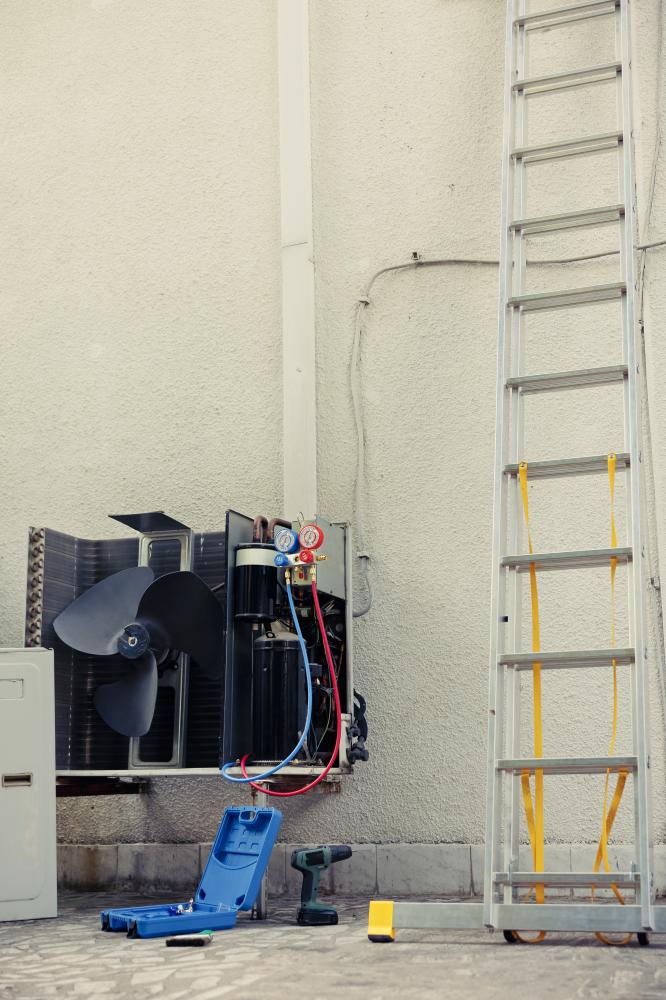
Choosing the best HVAC system for a commercial building depends on several factors, including the building's size, design, usage, and climate. At HVAC Long Beach Masters, we often recommend packaged systems or variable refrigerant flow (VRF) systems for their efficiency and flexibility. Packaged systems are compact and ideal for buildings with limited space, as they contain all components in a single unit. VRF systems, on the other hand, offer precise temperature control and are energy-efficient, making them suitable for buildings with varying occupancy levels and heating and cooling needs. Ultimately, a thorough assessment by our experts will help determine the best fit for your commercial space, ensuring both cost-effectiveness and comfort.
Which AC system is most suitable for large buildings?
For large buildings, particularly those in industrial settings, we often advocate for chiller systems due to their ability to efficiently cool large volumes of air. Chillers are excellent for facilities that require large-scale cooling and can be integrated with existing HVAC systems to augment capacity. Additionally, incorporating cooling towers can improve the overall efficiency of the system by dissipating heat from the building. Our team at HVAC Long Beach Masters ensures that each system is tailored to the building's specific cooling needs, considering factors such as layout and peak usage times. By customizing the setup, we help reduce energy consumption and operational costs while maximizing performance.
How does HVAC work in large buildings?
The operation of HVAC systems in large buildings involves a combination of heating, ventilation, and air conditioning processes designed to maintain optimal indoor conditions. These systems often include large-scale equipment like chillers, boilers, air handlers, and ductwork to distribute air throughout the building. For instance, in an industrial facility, an HVAC system might use chillers to cool water, which then circulates through air handlers to cool the air. Simultaneously, ventilation systems ensure fresh air is consistently introduced to maintain air quality. At HVAC Long Beach Masters, we emphasize the importance of integrating advanced control systems, such as IoT-based monitoring, which allows for real-time adjustments and enhances both efficiency and comfort.
What are the 4 types of HVAC systems?
There are four main types of HVAC systems commonly used in commercial and industrial settings: split systems, hybrid systems, duct-free systems, and packaged systems. Split systems are traditional and consist of both indoor and outdoor units, ideal for buildings with sufficient space for ductwork. Hybrid systems use both electricity and gas to heat and cool, providing energy flexibility. Duct-free systems, or mini-splits, are perfect for buildings that require a high level of control in specific zones without extensive ductwork. Finally, packaged systems combine all components in a single unit, suitable for buildings with limited indoor space. At HVAC Long Beach Masters, we assess the unique requirements of each facility to recommend the most effective system configuration, blending efficiency with budget considerations.
How can customized HVAC solutions benefit large-scale industrial facilities?
Customized HVAC solutions are crucial for large-scale industrial facilities because they address specific needs related to air quality, temperature regulation, and humidity control. For instance, a facility producing sensitive electronic components might require strict humidity and temperature levels to prevent damage to both equipment and products. Our tailored systems at HVAC Long Beach Masters take into consideration various factors like geographical location and facility layout, allowing us to design systems that not only meet current demands but are scalable for future growth. Additionally, customized HVAC solutions help in optimizing energy usage and reducing operational costs, while ensuring compliance with environmental regulations, thereby supporting long-term sustainability and productivity.
Why is energy efficiency important in industrial HVAC systems?
Energy efficiency is vital in industrial HVAC systems because it directly impacts operational costs and environmental footprint. Large-scale facilities typically consume significant energy, and inefficient systems can lead to astronomical utility bills and increased carbon emissions. By focusing on energy-efficient HVAC solutions, such as integrating renewable energy sources or adopting modular system designs, businesses can significantly cut costs and reduce their environmental impact. At HVAC Long Beach Masters, we are committed to implementing cutting-edge technologies that enhance efficiency without compromising performance. Investing in energy efficiency not only results in immediate financial savings but also aligns with sustainability goals, an increasingly important factor in today's business environment.
What are common misconceptions about industrial HVAC systems?
One common misconception about industrial HVAC systems is that more complex systems automatically deliver better performance. In reality, overcomplicating a system can lead to unnecessary maintenance issues and inefficiencies. Another misconception is that once installed, HVAC systems require minimal attention. However, regular maintenance is crucial to ensure they operate at peak efficiency. Additionally, some believe that industrial HVAC systems are inherently noisy and disruptive; however, modern systems can be designed to minimize noise and integrate smoothly into a facility's operations. At HVAC Long Beach Masters, we address these misconceptions by educating our clients on the importance of system simplicity, consistent maintenance, and advanced technology to achieve optimal performance.
How does regular maintenance improve the performance of industrial HVAC systems?
Regular maintenance is key to improving the performance and longevity of industrial HVAC systems. By adhering to a proactive maintenance schedule, potential issues can be identified and resolved before they escalate into costly repairs or system failures. Routine tasks such as cleaning and replacing filters, checking refrigerant levels, and inspecting electrical connections help maintain system efficiency and reliability. At HVAC Long Beach Masters, we emphasize the value of preventive maintenance, as studies show well-maintained systems can reduce energy consumption by 15-20%, lowering costs and minimizing environmental impact. Regular upkeep not only ensures compliance with safety standards but also enhances the indoor environment, ultimately benefiting both the workforce and the facility's operations.
How does technology integration enhance industrial HVAC systems?
Technology integration plays a pivotal role in enhancing industrial HVAC systems by enabling smarter, more efficient operations. For instance, the incorporation of IoT-based monitoring allows facility managers to track system performance in real-time and make proactive adjustments to optimize energy use and comfort. Variable refrigerant flow (VRF) technology provides precise temperature control across different zones, making it easier to meet diverse needs within a facility. At HVAC Long Beach Masters, we leverage the latest technological advancements to design systems that are not only efficient but also adaptive to changing demands. The result is an HVAC system that is more responsive, reliable, and cost-effective, providing tangible benefits to the facility and its occupants.
How do industrial and commercial HVAC needs differ?
Industrial and commercial HVAC needs can vary significantly based on the complexity and scale of operations. Industrial facilities often require HVAC systems that can manage extreme conditions such as high heat or humidity, handle toxic fume management, and ensure proper ventilation for safety compliance. Commercial buildings, on the other hand, focus more on occupant comfort and energy efficiency, often requiring zoning systems to cater to different areas with varying occupancy levels. At HVAC Long Beach #### Resources Section for HVAC Systems Article {#resources}
- U.S. Department of Energy – The DOE provides comprehensive resources on energy efficiency and renewable energy technologies, including HVAC systems. It is an authoritative source for information on standards, technologies, and energy-saving tips.
- U.S. Environmental Protection Agency – The EPA offers resources related to air quality and environmental compliance, essential for understanding the regulatory landscape of HVAC systems in industrial settings.
- ASHRAE – The American Society of Heating, Refrigerating and Air-Conditioning Engineers provides research and standards for HVAC systems, making it a crucial resource for industry professionals.
- National Renewable Energy Laboratory – NREL conducts research on energy efficiency and advanced HVAC technologies, offering insights into renewable energy integration in HVAC systems.
- National Institute of Standards and Technology – NIST provides resources and standards that guide the development and implementation of advanced HVAC systems, emphasizing innovation and technology integration.
- Occupational Safety and Health Administration – OSHA provides guidelines and standards for maintaining safe work environments, including the management of HVAC systems in industrial facilities, highlighting health and safety compliance.