

Understanding The Impact of Humidity on Air Conditioning Performance
Humidity plays a crucial role in how efficiently your air conditioning system operates. I often see this in my day-to-day work at HVAC Long Beach Masters. When the humidity is high, your air conditioner has to work overtime to cool your home. This means it not only has to reduce the temperature but also remove excess moisture from the air. Otherwise, the cooling effect is minimized, making your home feel warmer than it is. It’s a bit like trying to run a marathon with weights attached to your ankles.
High humidity can make your air conditioning system less efficient. This happens because your system’s coil condenses water vapor into liquid, adding another task to its workload. If the humidity is too high, the unit struggles to keep up, affecting the cooling performance. This extra work can lead to wear and tear, increasing the chance of system breakdowns. Trust me, nobody wants their AC to quit on the hottest day of the year.
Common Signs and Challenges with Humidity
When humidity levels are high, you might notice your home feels sticky or damp. In Long Beach, where moisture levels can rise significantly, this is a frequent complaint. Windows might fog up, or there could be a musty smell lingering in rooms. These are all red flags indicating that your air conditioner might not be handling humidity as effectively as it should.
One major challenge with high humidity is the risk of mold and mildew, which thrive in moist environments. These can take up residence in your ductwork and start affecting indoor air quality. You might find allergy symptoms worsening, or you may notice mold appearing in unexpected places. It's a serious health concern, especially for those with asthma or respiratory issues.
Another challenge is the increased energy consumption. Because the air feels warmer than it is, you may find yourself adjusting the thermostat lower, leading to higher electricity bills. This additional strain on the system can reduce its lifespan, resulting in more frequent repairs or the need for a premature replacement.
Solutions and Preventive Measures
Addressing these challenges starts with regular maintenance. Scheduling routine checks with HVAC Long Beach Masters ensures that your system is running efficiently. Regularly cleaning or replacing air filters can prevent particle buildup, which can exacerbate humidity issues by blocking airflow. Checking for leaks in the ductwork and ensuring that condensate lines are clear are also important tasks.
For older units that struggle with humidity, installing a standalone dehumidifier can be a game-changer. It helps maintain balanced moisture levels, making your air conditioning system’s job easier. Even moderately reducing indoor humidity can significantly improve cooling performance and reduce the strain on your AC. This might be a small investment, but it pays off in lower energy bills and less maintenance over time.
Sometimes, the problem might be that your AC unit is simply too large for your space, causing it to short cycle. This means it turns on and off too quickly, preventing effective humidity control. Consulting with our team to properly size your air conditioning system ensures it can handle both cooling and dehumidifying effectively. It can enhance your indoor comfort, save energy, and extend the life of your unit.
Integrating Modern Solutions
Modern air conditioning units often come equipped with integrated dehumidifiers, providing more efficient temperature and moisture control. These systems are smart enough to adjust automatically to changes in indoor humidity levels. At HVAC Long Beach Masters, we recommend these units for those looking to upgrade, especially in climates with varying humidity levels like Southern California.
Such upgrades offer a comprehensive solution by combining cooling and dehumidification in one system, reducing the need for additional appliances. This not only simplifies your setup but also reduces the overall energy footprint. By investing in a modern HVAC system, you are making a long-term commitment to comfort and efficiency.
With technology constantly advancing, incorporating these systems means better features, less manual adjustment, and a generally more pleasant living environment. It also cuts down on maintenance costs and downtime, as these units are designed to handle the nuances of humidity more effectively.
Final Reflections on Humidity Management
Managing humidity is a crucial aspect of maximizing The Impact of Humidity on Air Conditioning Performance. By keeping your system in top shape, you're ensuring comfort and efficiency in your home. Regular maintenance and possibly integrating modern systems can make a significant difference. This effort is not just about saving money but also about creating a comfortable, healthy living environment.
At HVAC Long Beach Masters, we take these challenges seriously, offering solutions tailored to your specific needs. We believe in proactive care and smart solutions to keep your home comfortable year-round. Our team is always ready to help tackle any humidity-related issues you might face and suggest the best course of action for your unique situation. With these strategies, you're well on your way to optimal air conditioning performance, even during peak humidity spells.
Understanding Humidity's Impact
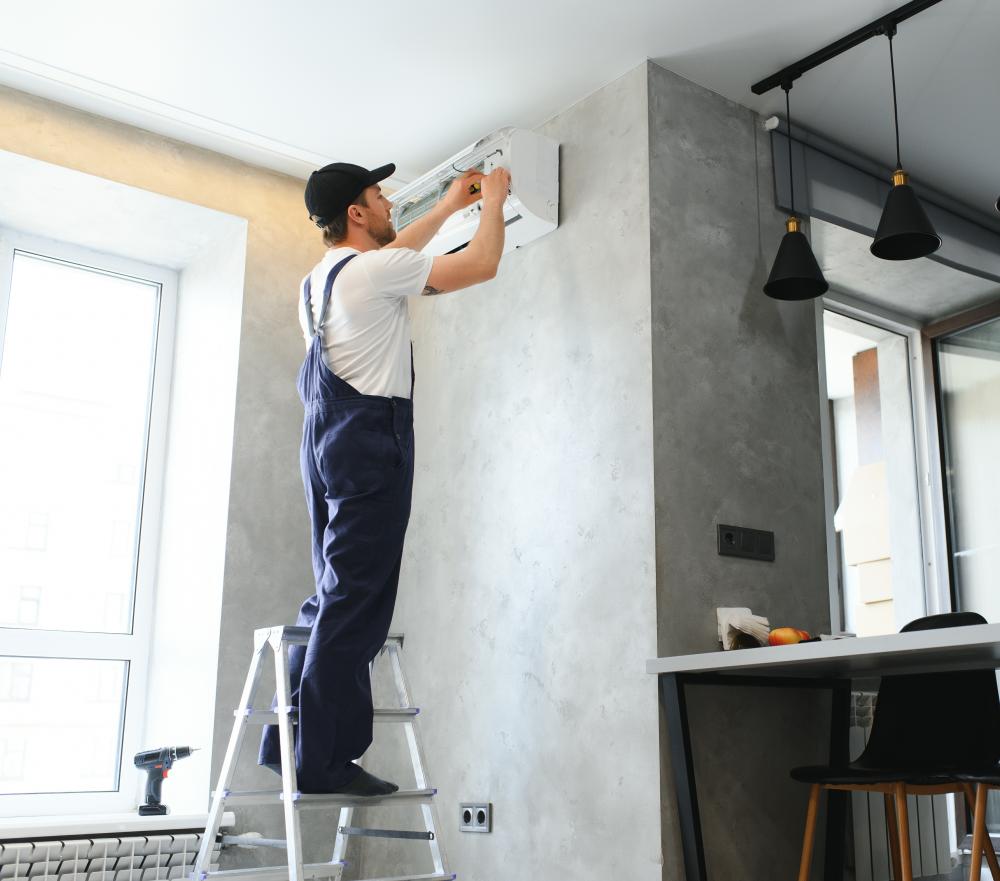
As an HVAC service professional at HVAC Long Beach Masters, I often encounter challenges related to air conditioning efficiency in humid environments. The sticky climate of Long Beach, CA, accentuates these issues, making it crucial for both residential and commercial systems to operate optimally. High humidity levels increase the workload of air conditioning units, compelling them to work harder to achieve the desired indoor temperature.
Humidity interferes with the cooling process by counteracting heat dissipation. Essentially, when the air is saturated with moisture, it hampers the evaporative cooling effect that air conditioners rely on. This leads to inefficient cooling, energy wastage, and heightened discomfort for residents. The experience of being unable to escape the oppressive humidity indoors is all too familiar for those in humid environments.
During maintenance visits, we check both the temperature and humidity control capabilities of your system to ensure air conditioning efficiency in humid environments. This comprehensive approach helps identify any potential inefficiencies or adjustments needed, ensuring your comfort and energy efficiency are maximized.
Choosing the Right System
At HVAC Long Beach Masters, we believe that the key to achieving air conditioning efficiency in humid environments lies in selecting the appropriate system. Variable-speed air conditioners are a preferred choice because they adjust their output based on the humidity and temperature levels. This flexibility allows the system to maintain a comfortable climate without excessive energy use.
An appropriately sized system plays a crucial role, too. Oversized units often cycle on and off too quickly, failing to remove sufficient moisture. This can result in the annoying cold yet clammy feeling indoors. If your system isn't managing humidity well, it might be time to reassess its size and capacity needs. Our experts can guide you through this process, ensuring your system is well-suited for the humid environment of Long Beach.
For those operating on older systems, the prospect of upgrading can be daunting. However, investing in a newer, efficient model can significantly enhance comfort and reduce energy costs. Our clients frequently express satisfaction with the improved performance and comfort levels post-upgrade.
Dehumidification Strategies
Another aspect of achieving air conditioning efficiency in humid environments involves active dehumidification strategies. Whole-house dehumidifiers work wonders in managing moisture levels without overburdening your HVAC system. They remove excess moisture from the air, ensuring that your indoor climate remains comfortable and mold-free.
In our professional opinion, incorporating dehumidification solutions tailored to your space can alleviate the burden on your HVAC system, promoting efficiency and longevity. Post-installation, clients often note a substantial improvement in indoor air quality and overall comfort. This proactive approach fosters an efficient and comfortable living environment.
For those without space for a whole-house system, portable dehumidifiers offer a practical alternative. These units are easy to use and can be moved from room to room as needed, providing targeted dehumidification where it’s most required. This flexibility is particularly useful in homes with varying humidity levels across different areas.
Maintenance and Care
Regular maintenance is pivotal for maintaining air conditioning efficiency in humid environments. At HVAC Long Beach Masters, we advocate for routine check-ups to ensure that every component of your AC system operates smoothly. Over time, air filters can clog, and system parts may wear, both of which reduce efficiency. Keeping components clean and in good working order guards against unexpected breakdowns and high energy bills.
Simple yet vital tasks such as replacing air filters, cleaning coils, and checking refrigerant levels can greatly influence performance. As we service our clients, we often share these insights, empowering them to take part in maintaining their system’s health. Encouraging homeowners to be proactive prevents minor issues from escalating into major repairs. This ongoing care facilitates optimal performance, ensuring your system remains energy-efficient even in humid conditions.
By paying attention to these critical maintenance aspects, you not only enhance air conditioning efficiency in humid environments but also prolong the lifespan of your equipment. This approach resonates well with our clients, who appreciate the reliability and peace of mind it brings.
Importance of Humidity Control
Living in Long Beach, I often emphasize the significance of maintaining the Optimal Humidity Levels for Air Conditioning in both homes and businesses. Balancing humidity is not just about comfort; it plays a crucial role in health and energy efficiency. With the right humidity, indoor air quality improves, reducing allergens and bacteria.
Many might overlook the impact of humidity on energy bills. When levels are too high, air conditioning systems work harder, increasing energy consumption. Conversely, maintaining Optimal Humidity Levels for Air Conditioning means your system functions efficiently, leading to cost savings.
At HVAC Long Beach Masters, we frequently encounter these issues. It’s vital to strike the right balance to ensure customer satisfaction and system efficiency.
Achieving Optimal Humidity Levels
Maintaining the Optimal Humidity Levels for Air Conditioning typically involves a mix of technology and proper insulation. During installations, we often recommend integrating a dehumidifier with your HVAC system. This ensures excess moisture is consistently removed, keeping levels between 30% and 50%.
Insulation also plays a key role. Homes with good insulation prevent external humidity from seeping indoors. Additionally, sealing gaps and using energy-efficient windows are effective strategies we deploy to aid in maintaining those Optimal Humidity Levels for Air Conditioning.
Ventilation is just as crucial. Air circulation, especially through bathrooms and kitchens, can prevent humidity from building up. Exhaust fans are a simple tool we suggest to clients for managing this balance efficiently.
Common Challenges and Solutions
Excessive humidity can lead to several issues, from mold growth to discomfort. At HVAC Long Beach Masters, we often see oversized AC units contributing to these problems. An oversized unit cools rapidly but doesn’t operate long enough to dehumidify effectively. Proper sizing is essential!
Another common challenge is the lack of proper ventilation. Spaces like bathrooms and kitchens can trap moisture, exacerbating humidity issues. We advise installing adequate exhaust systems and checking for plumbing leaks.
Addressing these challenges involves regular maintenance. Our team conducts inspections, ensures your systems are functioning optimally, and offers solutions tailored to diverse needs.
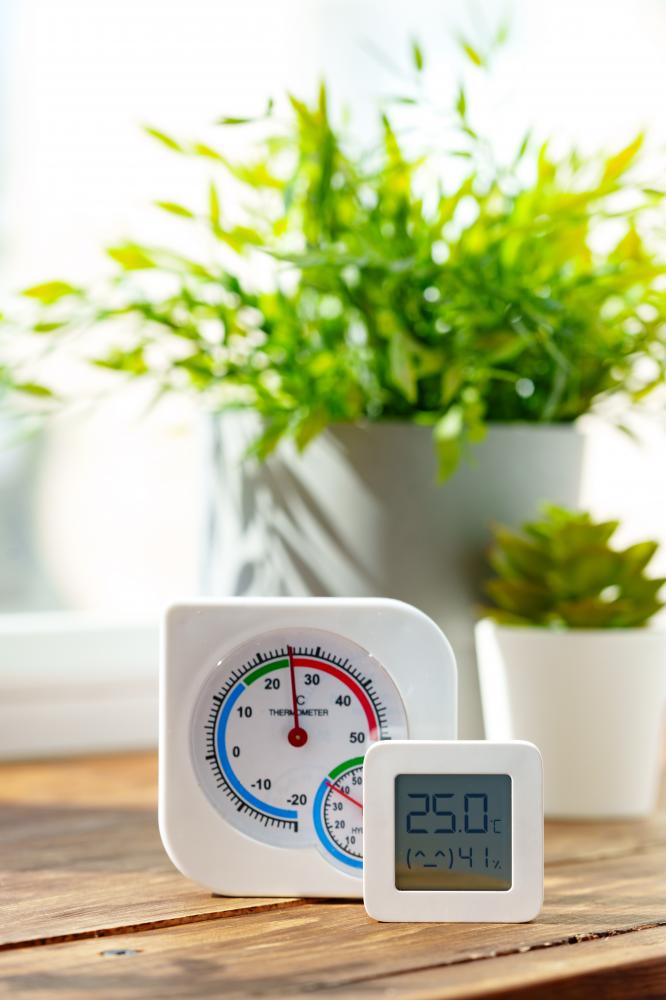
Moreover, smart home technologies now offer insights into humidity levels, helping homeowners actively monitor and tweak settings as needed. These innovations make maintaining the Optimal Humidity Levels for Air Conditioning more accessible than ever.
Professional Insights and Experiences
Throughout our extensive experience, we have found that educating clients about the importance of Optimal Humidity Levels for Air Conditioning is crucial. Knowledge empowers them to make informed decisions and understand the intricacies of their HVAC systems.
We’ve also witnessed firsthand the transformation in indoor air quality when optimal levels are achieved. Customers often report not just improved comfort but also enhanced health outcomes, thanks to reduced allergens and a more pleasant living environment.
Emerging Technologies and Innovations
In recent years, innovations in HVAC technology have transformed how we approach humidity control. Smart thermostats and sensors offer precise control over indoor climates, immensely aiding the pursuit of Optimal Humidity Levels for Air Conditioning.
These devices allow real-time monitoring and adjustments, providing homeowners with valuable data. At HVAC Long Beach Masters, we encourage clients to explore these modern solutions to maintain comfort efficiently.
Ultimately, integrating these technologies not only improves comfort but also fosters energy efficiency, making it a win-win for everyone.
Does humidity affect AC performance?
Absolutely, humidity significantly affects how your air conditioning system performs. When the air is humid, your AC has to do double duty: cooling the air and removing moisture. Think of it as trying to dry off with a wet towel—it’s not very effective. At HVAC Long Beach Masters, we often see systems struggling to keep up with both tasks, especially during peak humidity. This not only strains the system, reducing efficiency and lifespan, but also makes it feel warmer than it actually is inside your home. To manage this, regular maintenance is key, ensuring that your unit is in top shape to handle those humid days. Have you ever noticed your AC working overtime during humid spells?
Is 70% humidity too high for a house?
Yes, a humidity level of 70% is quite high for indoor comfort. Ideally, indoor humidity should be between 30% and 50% for optimal comfort and efficiency. At HVAC Long Beach Masters, we often recommend dehumidifiers to clients dealing with such high humidity levels, as this can lead to mold growth and other issues. Excessive humidity can also cause more wear and tear on your air conditioning unit, leading to more frequent repairs and higher energy bills. Investing in a dehumidifier or a modern HVAC system with integrated humidity control can make a big difference. How do you usually deal with high humidity in your home?
Does humidity affect air cooling?
Indeed, humidity directly impacts air cooling. When the air is saturated with moisture, your air conditioning system has to work harder to extract that moisture before it can effectively cool the air. It’s like trying to wring out a mop that’s already soaked. This not only affects cooling performance but also increases energy consumption. At HVAC Long Beach Masters, we often notice that people lower their thermostats in response to high humidity, thinking it will improve comfort, but it ends up spiking their energy bills. Regularly scheduled checks on your HVAC system can help identify any inefficiencies in cooling and dehumidification. Have you experienced this before, feeling like your home isn’t cooling effectively on humid days?
Why does my AC stop working when it's humid?
High humidity can indeed cause your AC to underperform or even stop working temporarily. In very humid conditions, your AC may struggle to keep up with the demand to remove both heat and moisture from the air. If the system is not well-maintained, issues like clogged filters or frozen coils can exacerbate the problem. At HVAC Long Beach Masters, we ensure that regular maintenance is performed to prevent such issues. A sudden stop can sometimes be due to an overloaded system that may need professional attention to get it back on track. It’s also worth checking if your system is properly sized, as an oversized unit can short cycle and fail to dehumidify properly. Does your AC have regular check-ups to avoid these stops?
How does humidity impact air conditioning efficiency in humid environments?
In humid environments, air conditioning systems face additional challenges because the cooling process is hampered by the need to remove moisture from the air. This means the system uses more energy, lowering overall efficiency. I’ve observed that many homes and businesses in areas like Long Beach, CA, end up with higher energy bills and less comfortable indoor environments when humidity isn't managed properly. Implementing solutions like whole-house dehumidifiers or upgrading to systems with integrated moisture control can enhance efficiency and comfort. Have you considered how much humidity might be affecting your energy usage?
What are the optimal humidity levels for air conditioning?
Maintaining humidity levels between 30% and 50% is considered optimal for air conditioning. This range not only ensures comfort but also helps prevent issues like mold and mildew, which thrive in higher humidity. At HVAC Long Beach Masters, we often use technology like smart thermostats and integrated dehumidifiers to help our clients manage these levels effectively. Proper insulation and ventilation also play crucial roles in maintaining optimal humidity. Have you noticed any issues with humidity in your home, like dampness or musty odors, that might indicate levels are outside this ideal range?
Why might upgrading my AC system be beneficial in high humidity areas?
Upgrading your AC system in high humidity areas can be extremely beneficial because newer models often come with advanced features designed to handle both cooling and moisture removal efficiently. At HVAC Long Beach Masters, we’ve seen clients experience significant improvements in indoor comfort and reductions in energy consumption by making such upgrades. Modern systems are integrated with smart technology that automatically adjusts to maintain the ideal humidity levels, which minimizes manual effort and optimizes performance. If your current system struggles with humidity control, it might be time to consider an upgrade. Have you explored modern AC systems with humidity management features?
How important is proper AC sizing for handling humidity?
Proper AC sizing is crucial for effectively managing humidity. An oversized unit will cool too quickly and shut off before it can properly remove humidity, leaving you with a space that feels cold but clammy. Conversely, an undersized unit might run constantly and still not achieve the desired level of comfort. At HVAC Long Beach Masters, we always conduct a thorough assessment to ensure your system is perfectly sized for your space. This not only enhances comfort but also prolongs the life of your unit. Have you ever wondered if your AC system is correctly sized for your home?
#### Resources Section- U.S. Department of Energy: Offers comprehensive information on energy efficiency, including tips for improving HVAC performance and managing humidity levels effectively.
- U.S. Environmental Protection Agency: Provides resources on indoor air quality and the effects of humidity, including guidance on preventing mold and mildew in your home.
- ASHRAE (American Society of Heating, Refrigerating, and Air-Conditioning Engineers): A professional organization dedicated to advancing HVAC&R technologies, offering standards and guidelines for maintaining optimal indoor climates.
- Energy Guide: Provides consumer guidance on energy efficiency, including advice on selecting and maintaining HVAC systems to cope with humidity challenges.
- BuildingGreen: A resource for sustainable building practices, offering insights into efficient HVAC solutions for managing humidity and improving indoor environmental quality.
- National Renewable Energy Laboratory: Conducts research and provides information on energy-efficient technologies, including advancements in HVAC systems that address humidity control.