

Understanding Heat Pumps
When considering the heating options for your home or business, heat pumps offer an intriguing alternative to traditional furnaces. As professionals at HVAC Long Beach Masters, we've observed that heat pumps function by transferring heat rather than generating it. This process allows them to be remarkably energy-efficient.
Heat pumps operate by extracting heat from the outside air, even in colder temperatures, and transferring it indoors. This method can significantly reduce electricity usage compared to traditional heating systems. Not only does this make them an eco-friendly option, but it also means lower utility bills for the end-user.
Despite these advantages, heat pumps might not be the ideal choice for every situation. It's important to weigh the pros and cons of heat pumps vs. traditional furnaces to determine which system best suits your needs.
Traditional Furnaces: Reliability and Performance
Traditional furnaces, fueled by natural gas or oil, have been the mainstay of heating solutions for many years. Their reliability in providing consistent warmth during harsh winters is unparalleled. This dependability is one reason many homeowners continue to favor them.
From our experience at HVAC Long Beach Masters, furnaces can deliver high heat output rapidly, making them suitable for areas with severe cold spells. The maintenance costs for furnaces are often lower compared to heat pumps, as they have fewer mechanical parts.
On the flip side, traditional furnaces tend to have a higher carbon footprint due to their reliance on fossil fuels. This factor is becoming increasingly important as people become more environmentally conscious and seek sustainable energy solutions.
Cost Considerations
When choosing between heat pumps and traditional furnaces, cost is an essential factor. Initial installation costs for heat pumps are generally higher. However, lower operational costs may mean savings in the long run. Many of our customers have noted a reduction in their monthly energy expenses after making the switch to heat pumps.
Traditional furnaces can be less expensive to install initially, but the fluctuation in gas and oil prices can lead to unpredictable future expenses. It comes down to balancing initial investment against ongoing operational costs.
Environmental Impact
As the world moves towards greener solutions, understanding the environmental footprint of heating systems is crucial. Heat pumps use electricity, which can be sourced from renewable energies, thus reducing greenhouse gas emissions. We've seen increased interest in heat pumps from clients who prioritize sustainability in their homes and businesses.
Traditional furnaces, while efficient, burn fossil fuels, contributing to carbon emissions. This aspect makes heat pumps a desirable option for environmentally-conscious individuals aiming to reduce their carbon footprint.
Versatility and Climate Suitability
A significant advantage of heat pumps is their versatility. They can provide both heating and cooling, making them a year-round solution. In milder climates, where extreme cold is rare, heat pumps are highly effective and efficient.
However, in regions with severe winters, traditional furnaces might still be necessary as a backup. Heat pumps can struggle in sub-zero temperatures, whereas furnaces deliver consistent and reliable warmth.
Ultimately, the decision between heat pumps vs. traditional furnaces hinges on various factors such as climate, budget, and personal values. At HVAC Long Beach Masters, we guide our clients through making the best choice by considering both the technical and lifestyle aspects of each option.
How Heat Pumps Enhance Efficiency
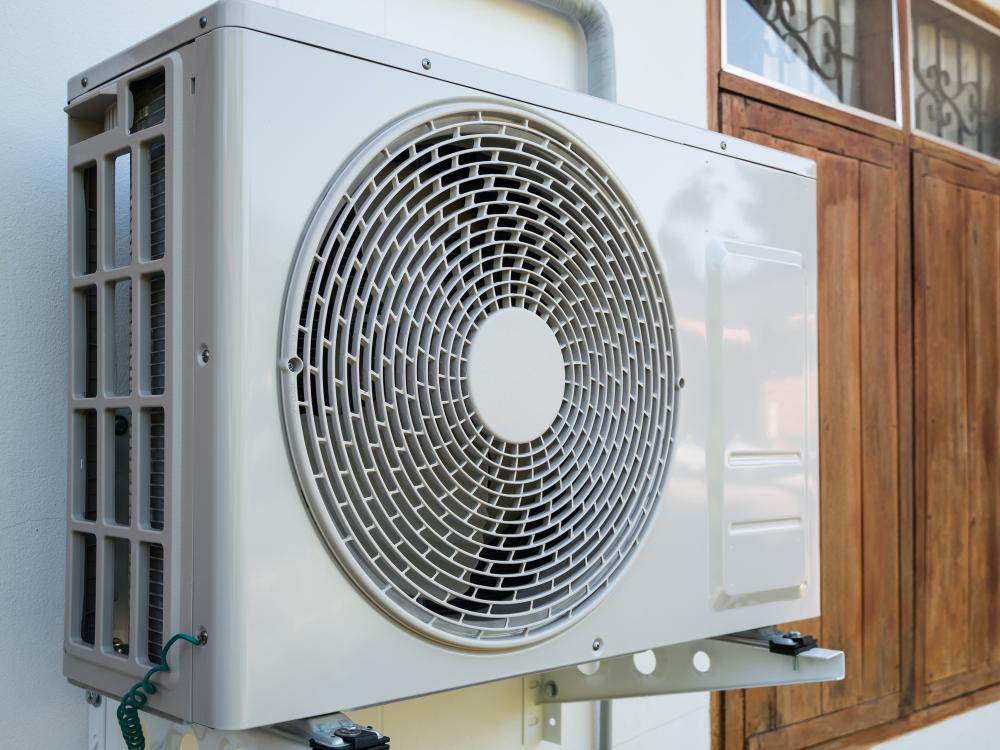
At HVAC Long Beach Masters, we're often asked about heat pump efficiency. It's a common topic, especially given its significance in energy savings. Heat pumps are unique in their approach. They don't generate heat; they transfer it. This clever mechanism makes them highly efficient, often delivering up to three times more energy than they consume.
The magic lies in the refrigerant cycle. As we power the heat pump with electricity, the refrigerant absorbs and releases heat as it circulates. This means that, even in lower temperatures, a heat pump can provide warmth to your home. The efficiency of heat pumps shines in climates like Long Beach, where extreme temperatures are rare. And when you consider the dual functionality of heating and cooling, the overall efficiency of heat pumps becomes clear.
Climatic Considerations and Heat Pump Performance
When discussing heat pump efficiency, it’s crucial to acknowledge the role of climate. In regions with milder climates, heat pumps operate at peak efficiency. They thrive where the temperature rarely plunges below freezing. During winter in Long Beach, the moderate climate allows heat pumps to extract warmth from the air effectively, maintaining efficiency.
However, colder climates might pose challenges. Heat pumps may struggle slightly when temperatures drop significantly. This is when backups, such as electric resistance heaters, become beneficial. Yet, even then, the overall energy expenditure remains lower compared to traditional heating systems.
Advancements in Heat Pump Technology
Refrigerant InnovationsAt HVAC Long Beach Masters, we keep an eye on technological advancements. Newer refrigerants have transformed heat pump efficiency. The transition from R-22 to R-410A has improved performance, especially in colder conditions. This shift enhances the ability of heat pumps to absorb and transfer heat efficiently.
Variable-Speed CompressorsAnother significant development is variable-speed compressors. These allow heat pumps to adjust their power output seamlessly, based on your home's heat requirements. This not only boosts efficiency but also extends the lifespan of the unit, providing a quiet and smooth operation.
Boosting Performance with Smart TechnologyWe are advocates for smart thermostats and technologies. Integrating these with heat pumps optimizes performance by adjusting settings in real-time. It’s like having a personal comfort manager that ensures you're comfy while minimizing energy use. These tools are fantastic, especially for those keen on maximizing heat pump efficiency.
Cost-Effectiveness and Savings
- Initial Investment vs. Long-Term Gains
- Affordable Upkeep and Maintenance
While the initial installation of a heat pump might seem steep, the long-term savings on energy bills are undeniable. Over years, households benefit financially as heat pumps consistently offer lower operational costs compared to traditional systems. Our clients often see a reduction in energy bills, with heat pump efficiency being a critical factor.
Plus, the low maintenance requirements mean fewer surprises. Regular check-ups by our team ensure peak performance without frequent repairs. It’s an investment that pays off, endorsing sustainability and cost savings.
Environmental Impact and Sustainability
Heat pumps are not just about efficiency in energy usage; they also stand as a beacon for sustainable living. By using electricity over fossil fuels, heat pumps substantially reduce carbon footprints. This aligns perfectly with the growing emphasis on eco-friendly practices.
Our experience in Long Beach highlights the positive environmental impact of heat pumps. They leverage renewable energy more efficiently than conventional systems, paving the way for a greener future. As they gain popularity, their potential to address climate concerns makes them an appealing choice for environmentally conscious homeowners.
Cost Considerations: The Heat Pump vs. Furnace Debate
At HVAC Long Beach Masters, we're often asked about the cost comparison heat pump vs. furnace. While both systems offer efficient heating solutions, initial costs can vary significantly. Furnaces generally have a lower upfront cost, making them appealing for immediate installations. Heat pumps, however, can be more expensive initially. Yet, they provide both heating and cooling, offering dual functionality.
Over time, heat pumps may prove to be more cost-effective due to lower operational expenses. Their efficiency in milder climates often results in reduced energy bills. Tax credits, especially those from initiatives like the Inflation Reduction Act, further tip the scales in favor of heat pumps. These financial incentives can significantly reduce the initial financial burden, making it worthwhile to compare cost long-term.
Energy Efficiency and Environmental Impact
When considering energy efficiency, the cost comparison heat pump vs. furnace is enlightening. Heat pumps excel in energy efficiency, especially in moderate climates like Long Beach, CA. They transfer heat instead of generating it through combustion, thus using less energy to maintain comfortable indoor temperatures. This translates to lower electricity consumption and a reduced carbon footprint.
Furnaces, while effective in colder climates, can be less efficient. Gas furnaces rely on combustion, which consumes more energy. However, in extremely cold environments, furnaces might outperform heat pumps, which can struggle when temperatures drop below freezing.
Therefore, one's geographic location and environmental considerations should guide decisions on energy efficiency. A dual-fuel system, combining both a furnace and a heat pump, can balance efficiency and cost across varying temperature ranges.
Installation and Infrastructure Requirements
The installation process can differ widely between these two systems. Furnaces require a network of ductwork and a steady supply of natural gas. If your home already has these in place, a furnace may be the simpler, less expensive choice.
Conversely, heat pumps might need additional infrastructure, such as proper insulation and a compatible electrical system. Yet, advancements in ductless mini-split systems make heat pumps versatile, allowing installation in homes without existing ductwork. This flexibility can reduce costs, especially in homes undergoing renovations.
Our team at HVAC Long Beach Masters has extensive experience in both systems, ensuring installations are smooth and efficient. Proper planning and execution can minimize disruption and optimize system performance.
Maintenance and Longevity: Which Is More Durable?
The lifespan and maintenance requirements differ significantly in the cost comparison heat pump vs. furnace. Generally, furnaces boast greater durability, often lasting up to 20 years with consistent care. They require regular checks and upkeep, especially concerning gas lines and combustion chambers. This maintenance is essential to ensure safe and efficient operation.
Heat pumps typically have a shorter lifespan, ranging from 10 to 15 years, due to year-round operation. Regular maintenance is crucial to keep them functional and efficient. This includes checking refrigerant levels and ensuring the system's various components operate seamlessly.
At HVAC Long Beach Masters, we emphasize regular maintenance to extend the lifespan of both systems. Our professional services are designed to keep your system running smoothly, ensuring reliable comfort all year round.
Personal Insights and Local Expertise
Living in Long Beach, our personal insights highlight the real-world application of these systems. Heat pumps are particularly well-suited for our coastal climate, providing efficient heating and cooling. Many of our clients appreciate the seamless transition between heating and cooling, especially during variable weather patterns.
Furnaces, by contrast, offer robust heating capabilities during colder, albeit brief, winter months. They ensure quick warmth, particularly in older homes where retrofitting ductless systems could be a hassle. By sharing our firsthand experiences, we help clients understand the nuances of the cost comparison heat pump vs. furnace, tailored to their needs.
We welcome customers to explore these systems further, offering personalized consultations to determine the best fit for their home. With HVAC Long Beach Masters, you'll find a partner in ensuring your HVAC investment truly pays off.
The Pros & Cons of Heat Pumps vs. Traditional Furnaces
How do heat pumps achieve greater energy efficiency compared to traditional furnaces?
At HVAC Long Beach Masters, we frequently highlight the energy efficiency of heat pumps due to their ability to transfer heat rather than generate it. This process, often utilizing the refrigerant cycle, allows heat pumps to provide up to three times the energy they consume, making them more efficient than furnaces that rely on combustion. Consider this: in milder climates like Long Beach, a heat pump can effortlessly maintain comfortable temperatures, leading to significant energy savings over time. Does this make you curious about how these devices could impact your heating bills?
What should homeowners consider regarding the initial costs of heat pumps versus traditional furnaces?
Cost is a critical factor, and it’s common to see higher initial installation expenses for heat pumps compared to furnaces. However, many of our clients at HVAC Long Beach Masters find that, over time, the lower operational costs of heat pumps offset the upfront investment. This long-term financial benefit is worth considering, especially when tax incentives are available. Have you looked into potential tax credits that might ease the initial financial outlay for heat pumps?
How do the fuel sources of heat pumps and furnaces affect their carbon footprints?
Heat pumps, which use electricity, offer a greener alternative since they can be powered by renewable energy sources, thus reducing greenhouse gas emissions. Traditional furnaces, on the other hand, rely on fossil fuels, which contribute significantly to carbon emissions. With environmental sustainability becoming increasingly important, the choice between these systems can have a lasting impact. Are you considering the environmental benefits as part of your decision-making process for heating solutions?
How do heat pumps and traditional furnaces perform in various climates?
The performance of heating systems can vary widely depending on the climate. In regions like Long Beach, where extreme cold is rare, heat pumps shine in both efficiency and versatility, offering heating and cooling capabilities. However, in colder climates, traditional furnaces might be necessary as they deliver consistent warmth even in severe winter conditions. Have you thought about how your local climate might influence the performance of your chosen system?
Which system is more reliable and requires less maintenance: heat pumps or traditional furnaces?
Reliability and maintenance are essential considerations. Traditional furnaces are known for their durability, often lasting up to 20 years with proper care, whereas heat pumps typically last 10 to 15 years due to year-round use. At HVAC Long Beach Masters, we ensure that both systems are maintained regularly to maximize their lifespan. Have you considered the maintenance needs and potential longevity of your current heating system?
Considering both upfront and operational costs, which system is more cost-effective in the long run?
When we evaluate overall cost-effectiveness, heat pumps often take the lead due to their lower operational costs, especially in milder climates. Our clients frequently report reduced energy bills, which can compensate for the higher initial costs over time. It's a wise strategy to weigh upfront expenses against potential savings. Have you calculated the long-term financial implications of switching to a heat pump for your home?
What are the long-term environmental benefits of using heat pumps compared to furnaces?
Switching to heat pumps can significantly reduce your carbon footprint since they use electricity, which can be derived from renewable sources, in contrast to furnaces that depend on burning fossil fuels. At HVAC Long Beach Masters, we encourage considering these long-term environmental benefits, which align with sustainable and eco-friendly living practices. Are environmental considerations influencing your choice of heating system?
How have recent technological advancements improved heat pump efficiency?
Technological advancements such as newer refrigerants and variable-speed compressors have substantially enhanced heat pump efficiency. For instance, the shift from R-22 to R-410A refrigerants improves performance in colder temperatures. These innovations minimize energy consumption and optimize comfort. Are you interested in exploring how these cutting-edge features could improve your home’s heating solution?
What are the potential energy savings when switching from a traditional furnace to a heat pump?
By switching to a heat pump, many of our clients at HVAC Long Beach Masters notice a significant reduction in their energy bills. The efficiency of these systems, particularly in moderate climates, offers substantial savings by using less energy to achieve the same comfort levels as traditional furnaces. Would you like to learn more about the specific savings you might expect by making the switch?
What are the advantages of a dual-fuel system integrating both a heat pump and a furnace?
A dual-fuel system, which combines the strengths of both heat pumps and furnaces, provides an efficient solution that can adapt to varying temperature conditions. This system utilizes the heat pump during milder weather and switches to the furnace when temperatures drop significantly, ensuring optimal efficiency year-round. Does a dual-fuel system sound like a practical option for your home’s heating needs?
#### Resources for Further Reading on Heat Pumps and Traditional FurnacesRecommended Resources
- U.S. Department of Energy – An authoritative source for information on energy efficiency, renewable energy, and technology advancements in heating systems.
- U.S. Environmental Protection Agency – Provides insights into the environmental impact of various fuel sources and promotes sustainable heating solutions.
- ENERGY STAR – A government-backed program offering guidance on energy-efficient products and practices, including heat pumps and furnaces.
- American Society of Heating, Refrigerating and Air-Conditioning Engineers (ASHRAE) – A professional society dedicated to advancing heating technology and sharing best practices for HVAC.
- Residential Energy Services Network (RESNET) – Offers resources and ratings for residential energy efficiency, helping to evaluate the performance and cost-effectiveness of heating systems.
- National Renewable Energy Laboratory (NREL) – Provides research and data on renewable energy applications in heating and cooling, supporting the transition to more energy-efficient technologies.