

Understanding Refrigerants
Refrigerants are fundamental to the operation of air conditioning systems. These chemical compounds absorb heat from indoor air and release it outdoors, making living spaces comfortable. Over the years, various refrigerants have emerged, each with unique properties impacting both efficiency and the environment. From chlorofluorocarbons (CFCs) to the present-day hydrofluorocarbons (HFCs) and natural alternatives, the landscape is evolving.
In my experience working with HVAC systems, selecting the right refrigerant can make a significant difference in system performance. Some refrigerants operate under higher pressures, enhancing cooling capabilities. However, the environmental impact also varies, with older types adversely affecting the ozone layer.
The Role of Refrigerants in AC Efficiency
One of the lesser-known facets of HVAC systems is how the role of refrigerants in AC efficiency & environmental impact is interlinked. The choice of refrigerant directly influences the energy consumption of AC units. For instance, modern refrigerants like R-410A and R-32 offer improved thermodynamic properties, which can reduce energy usage. Yet, these benefits come with challenges.
We've seen customers in Long Beach experience noticeable energy savings after upgrading to systems using energy-efficient refrigerants. These newer options not only cool homes faster but also lower utility costs. Such improvements make a substantial difference in a region characterized by warm summers.
Environmental Impact of Refrigerants
The environmental implications of refrigerants cannot be overlooked. Older compounds like HCFCs contribute to ozone depletion, which has sparked global initiatives for their phase-out. Nowadays, the concern has shifted towards the global warming potential (GWP) of refrigerants. While HFCs are less harmful to the ozone, they still pose global warming risks.
At HVAC Long Beach Masters, we emphasize the importance of adopting refrigerants with lower GWP. By transitioning to alternatives such as propane (R-290) or carbon dioxide (R-744), the environmental footprint can be significantly reduced. Understanding the role of refrigerants in AC efficiency & environmental impact is vital for making sustainable choices.
Furthermore, compliance with regulations ensures that our practices align with environmental protection goals. This commitment to sustainability is crucial in our operations, reflecting both our responsibility and dedication to clean air.
Maintaining AC Systems with the Right Refrigerants
Ensuring your AC system employs suitable refrigerants is integral to maintaining its performance. Regular maintenance plays a pivotal role in this. By keeping refrigerant levels in check and addressing leaks promptly, efficiency is maintained, and costly repairs are minimized. Signs of low refrigerant levels include reduced cooling capacity and increased energy bills, indicators we frequently address for our clientele.
Choosing the right refrigerant also extends the life of air conditioning systems. Modern refrigerants support better system longevity compared to outdated ones. As part of our services, we assess the current refrigerant and advise clients on potential upgrades to enhance system performance.
Personal Experiences in Refrigerant Selection
Through our extensive experience, we've seen first-hand how the role of refrigerants in AC efficiency & environmental impact shapes user satisfaction. In one memorable instance, a switch from R-22 to R-410A drastically reduced a customer's energy consumption, aligning with their sustainability goals without sacrificing comfort.
This transformation is not just technical but deeply personal. It reflects a broader responsibility towards environmental stewardship. Our commitment at HVAC Long Beach Masters is to guide clients through informed decisions, emphasizing both technical upgrades and ecological benefits. Trust in professional advice and a willingness to adapt can lead to remarkable outcomes in home comfort and sustainability.
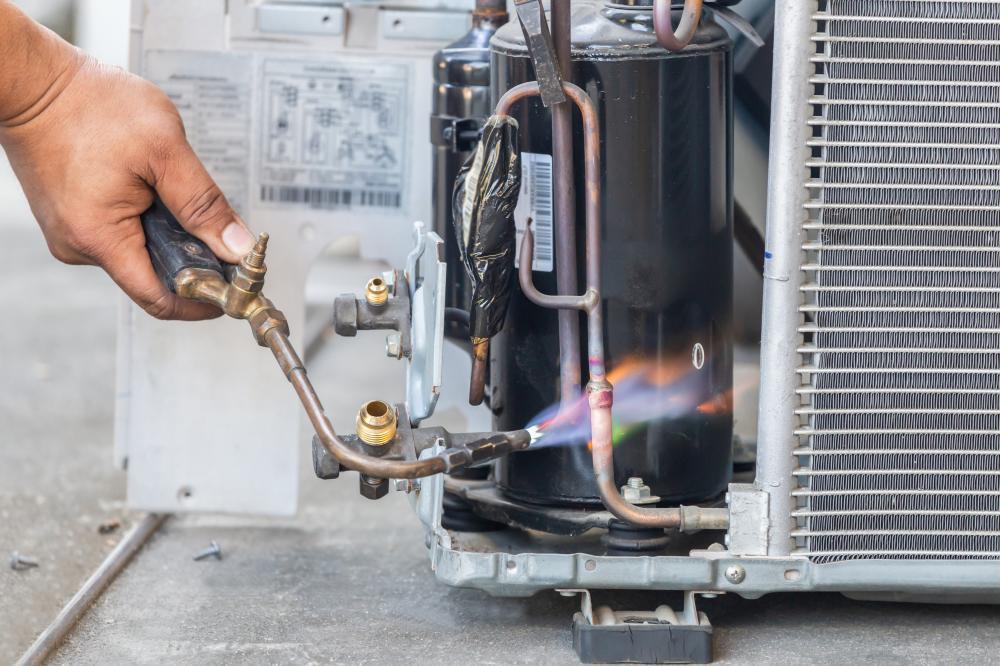
Understanding Refrigerant Types
At HVAC Long Beach Masters, we've encountered various refrigerant types throughout our extensive experience in the HVAC industry. Each type has its unique properties and applications, impacting how effectively it cools or heats a space. Understanding these differences is crucial for both technicians and consumers. The evolution of refrigerant types reflects a shift towards more environmentally friendly options, alongside advancements in technology and efficiency.
Historical Perspectives on Refrigerants
The journey of refrigerant types began with chlorofluorocarbons (CFCs), once popular due to their stability and efficiency. However, their environmental impact, particularly the depletion of the ozone layer, led to their phase-out. This paved the way for hydrochlorofluorocarbons (HCFCs), which, despite being less harmful, were only a temporary solution.
Today, hydrofluorocarbons (HFCs) are more prevalent, offering zero ozone depletion potential. However, they still contribute to global warming, challenging us to explore alternatives. This historical shift in refrigerant types has been pivotal in shaping modern HVAC practices, pushing us towards innovation.
Modern Refrigerant Types and Their Applications
Currently, the most common refrigerant types include HFCs like R-410A and R-134a. R-410A is popular in residential air conditioning systems due to its efficiency and reliability. Its high operating pressure requires specific equipment, ensuring optimal performance.
Another option is hydrocarbons, admired for their low global warming potential. However, their flammability limits widespread use. In certain industrial applications, ammonia, known as R-717, remains a strong contender. Although ammonia offers excellent thermodynamic properties, its pungent smell and safety concerns necessitate careful handling.
Carbon dioxide (R-744) is making waves as a sustainable refrigerant type. Its non-flammable nature and low toxicity make it a promising choice for the future, although its high operating pressure presents challenges.
Considerations for Selecting Refrigerant Types
Choosing the right refrigerant type involves considering several factors. Environmental impact is a top priority, with a focus on minimizing ozone depletion and reducing greenhouse gas emissions. Efficiency is vital, affecting both energy consumption and running costs.
Safety cannot be compromised. Flammable refrigerants require stringent safety measures, while toxic options need robust safety systems. Compatibility with existing HVAC systems also plays a role, influencing the decision-making process for replacements or upgrades.
As professionals, the team at HVAC Long Beach Masters evaluates these factors to recommend the ideal refrigerant type for each unique circumstance, ensuring both performance and environmental responsibility.
The Future of Refrigerant Types
The future of refrigerant types lies in balancing efficiency, safety, and environmental stewardship. Innovations continue to emerge, with promising developments in natural refrigerants and synthetic blends. These alternatives aim to address the challenges posed by current options, striving for a greener and more sustainable HVAC industry.
At HVAC Long Beach Masters, we remain committed to staying at the forefront of these changes. By embracing new technologies and refrigerant types, we can offer our clients solutions that not only meet their heating and cooling needs but also align with global environmental goals.
Understanding Environmental Regulations
Environmental Regulations play an integral role in maintaining the balance between industrial progress and environmental preservation. In my experience as part of a team at HVAC Long Beach Masters, I've observed the critical impact of these regulations on the HVAC industry. They not only ensure the safety and quality of air within homes and businesses but also guide manufacturers and service providers like us in implementing environmentally friendly practices.
These regulations mandate the use of energy-efficient systems, helping reduce overall emissions. Compliance with them is necessary for every business to avoid hefty penalties. Therefore, staying informed about updates in Environmental Regulations is essential for us.
The Impact on HVAC Practices
From our standpoint at HVAC Long Beach Masters, Environmental Regulations have propelled us to innovate and adopt cleaner technologies. For instance, the phase-out of certain refrigerants due to their high global warming potential has led us to utilize alternatives that are more environmentally friendly. This shift is not only vital for compliance but also contributes to our commitment to sustainability.
We have integrated advanced filtration systems that comply with these regulations. This ensures our customers benefit from superior indoor air quality. The regulations guide us in selecting materials and processes that minimize environmental impact. This alignment helps protect our natural surroundings while offering efficient services.
Additionally, these regulations shape numerous aspects of our routine operations, from installation and maintenance procedures to waste management practices. We continuously educate our team to ensure their work meets the required standards.
Challenges and Opportunities
Navigating Environmental Regulations can pose challenges. The constant evolution of these laws demands that we stay updated to ensure compliance. However, it also presents opportunities for growth and innovation. By adhering to these regulations, we gain a competitive edge in the market as a responsible service provider. Our commitment to legal and ethical standards instills confidence in our clients, fostering long-term relationships.
Furthermore, as awareness about environmental issues grows, customers increasingly seek services that align with their values. This has allowed us to expand our offerings, focusing on solutions that prioritize energy efficiency and sustainability. It empowers us to contribute positively to environmental preservation while meeting our clients' needs.
The Role of Education and Awareness
A crucial aspect of our approach at HVAC Long Beach Masters is ongoing education about Environmental Regulations. We strive to keep ourselves and our clients informed about changes and their implications. This knowledge enables us to make informed decisions about the equipment we choose, the methods we employ, and the advice we provide to our customers.
Moreover, educating our clients about the benefits of compliance helps them understand the broader impact of their choices. A well-informed customer is more likely to appreciate energy-efficient systems and routine maintenance. This proactive approach benefits both their wallets and the environment.
Through workshops, consultations, and informational resources, we have fostered a strong community dedicated to environmental stewardship. Encouraging this dialogue is essential for driving positive change and inspiring collective action.
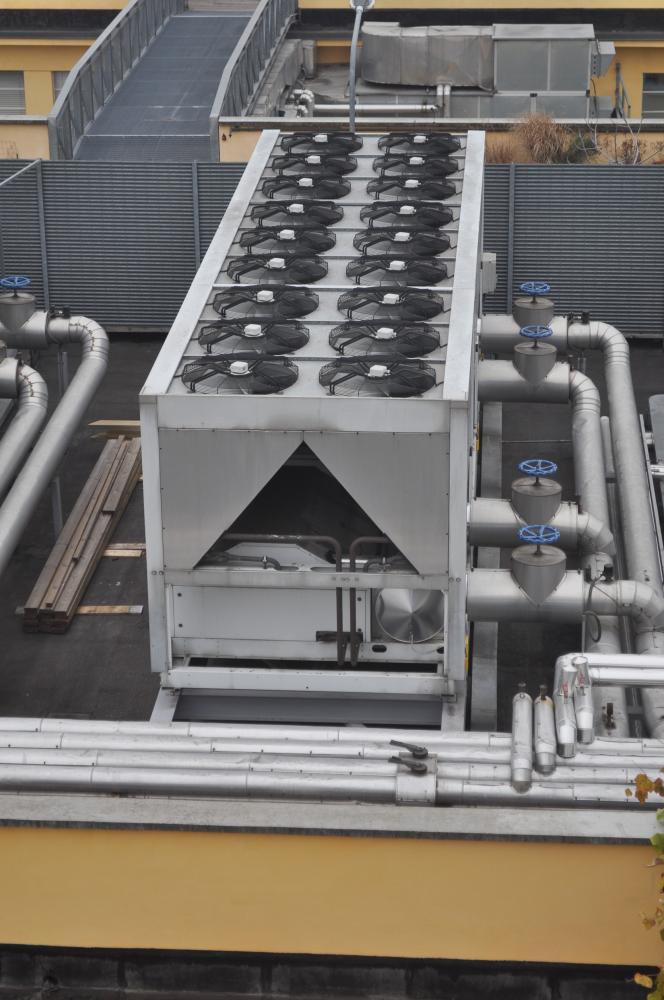
What is the role of refrigerant in AC?
In our work at HVAC Long Beach Masters, we often describe refrigerants as the lifeblood of air conditioning systems. Their primary job is to absorb heat from indoor air and release it outdoors, effectively cooling your space. Without refrigerants, your AC unit would be unable to provide the comfort we often take for granted, especially during those hot summer months. Modern refrigerants are designed to be more energy-efficient and environmentally friendly, aligning with global initiatives to reduce ozone-depleting substances.
Considering the environmental impact, it's crucial to choose refrigerants with lower global warming potential (GWP). This not only helps in energy conservation but also ensures that our practices are sustainable. Have you ever thought about the environmental impact of the refrigerant in your AC system?
What makes AC more efficient?
Efficiency in an AC system is influenced by several factors, but refrigerants play a pivotal role. Newer refrigerants like R-410A and R-32 have improved thermodynamic properties, which means they can transfer heat more effectively, leading to less energy consumption. At HVAC Long Beach Masters, we've noticed customers achieve significant energy savings after upgrading to systems using these effective refrigerants. Additionally, regular maintenance, such as cleaning filters and checking for refrigerant leaks, ensures optimal performance and energy efficiency.
Have you had your AC system checked recently to ensure it's running efficiently? Regular tune-ups can prevent future breakdowns and improve overall system performance.
Is it okay to run AC without refrigerant?
No, running an AC unit without refrigerant is not advisable. Refrigerant is essential for the cooling process, and without it, your AC system won't be able to function properly. Running a system with low or no refrigerant can lead to increased energy bills, reduced cooling capacity, and even potential damage to the compressor due to overheating. At HVAC Long Beach Masters, we always stress the importance of keeping refrigerant levels in check to avoid costly repairs and maintain efficiency. If you've noticed your system not cooling as it should, it might be time to have a professional assess the refrigerant levels.
Have you observed a spike in your energy bills or a decrease in your AC's performance? These could be signs that your system needs a refrigerant check.
Which refrigerant is more efficient?
Currently, refrigerants like R-410A and R-32 lead the charge in efficiency. They offer better heat transfer capabilities and operate under higher pressures, enhancing overall system performance. At HVAC Long Beach Masters, we've seen first-hand how these refrigerants save energy and lower utility costs for our clients. These options are not only efficient but also designed to be more environmentally friendly compared to older refrigerants like R-22, which is being phased out due to its ozone-depleting characteristics.
Are you considering upgrading your system for better efficiency? Understanding the type of refrigerant your system uses can be the first step towards greener and more cost-effective home cooling.
What are the different types of refrigerants?
Refrigerants have evolved significantly over time. Initially, chlorofluorocarbons (CFCs) were widely used due to their stability and efficiency but were phased out due to their negative impact on the ozone layer. Hydrochlorofluorocarbons (HCFCs) followed but were also temporary solutions. Nowadays, Hydrofluorocarbons (HFCs) like R-410A and R-134a are common in residential air conditioning systems due to their zero ozone depletion potential. However, they still have some global warming potential. Natural refrigerants, such as propane (R-290) and carbon dioxide (R-744), provide an eco-friendlier alternative, although each comes with specific considerations, such as flammability or high operating pressures.
The choice of refrigerant should balance efficiency, environmental impact, and safety. At HVAC Long Beach Masters, we evaluate these factors to recommend the most suitable refrigerant type for each unique situation. What refrigerants do you think are best suited for your needs?
#### Resources for Further Exploration on Refrigerants and AC Efficiency- United States Environmental Protection Agency (EPA) – The EPA provides extensive information on refrigerants, their environmental impact, and regulations regarding their use in HVAC systems.
- U.S. Department of Energy (DOE) – The DOE offers resources related to energy efficiency, including guides on the use of efficient refrigerants and maintaining HVAC systems.
- ASHRAE (American Society of Heating, Refrigerating and Air-Conditioning Engineers) – ASHRAE is a global society advancing human well-being through sustainable technology for the built environment. They provide standards and guidelines on refrigerants and HVAC systems.
- National Renewable Energy Laboratory (NREL) – NREL is a national laboratory of the U.S. Department of Energy, offering research and insights into renewable energy and efficient technologies, including HVAC innovations.
- Natural Resources Defense Council (NRDC) – NRDC provides insights and articles on the environmental impact of refrigerants and advocates for sustainable and eco-friendly alternatives.