

Understanding Airflow Dynamics
The Science of Airflow: How HVAC Systems Distribute Heat & Cooling plays a pivotal role in maintaining comfort and efficiency in buildings. At HVAC Long Beach Masters, we’ve learned that airflow dynamics can make or break the performance of a heating and cooling system. The key lies in understanding how air moves through ducts, vents, and filters.
HVAC systems rely on a series of interconnected parts to deliver air at the right temperature. The ducts, typically made of metal or flexible plastic, guide air from the central unit to various rooms. Vents then release conditioned air into spaces, creating a consistent atmosphere.
It's crucial to have a balanced system. If the airflow is uneven, some areas might be too hot or cold, leading to discomfort. Effective design and implementation ensure that air is distributed evenly, providing optimal comfort throughout the living or workspace.
Importance of System Design
When installing HVAC systems, design considerations are paramount. The Science of Airflow: How HVAC Systems Distribute Heat & Cooling highlights how critical ductwork and vent placement are. At HVAC Long Beach Masters, we focus on creating systems that meet the specific needs of each building.
A well-designed duct system minimizes resistance and maintains high efficiency. We often encounter cases where improperly sized ducts lead to restricted airflow. This not only affects comfort but also increases energy consumption.
Role of Static Pressure
Static pressure is often overlooked, yet it's a vital component in The Science of Airflow: How HVAC Systems Distribute Heat & Cooling. High static pressure can hinder airflow, resulting in inadequate heating or cooling. At HVAC Long Beach Masters, we measure static pressure to ensure it falls within optimal ranges.
Improper static pressure can cause air leaks, increased noise, and system strain. When static pressure exceeds recommended levels, it can indicate blockages or poorly designed ductwork. Regular maintenance and checks are vital to address these issues and improve system performance.
Addressing static pressure is about maintaining system balance. By ensuring the right pressure levels, HVAC systems can work more efficiently, leading to cost savings and improved comfort.
Benefits of Proper Maintenance
Routine inspections and maintenance are essential in The Science of Airflow: How HVAC Systems Distribute Heat & Cooling. Our team at HVAC Long Beach Masters emphasizes the importance of regular check-ups to keep systems running smoothly.
Regular maintenance can prevent common issues like clogged filters or blocked ducts. These seemingly minor problems can escalate, causing more significant disruptions. By resolving them early, we enhance system longevity and efficiency.
Our experience shows that well-maintained systems not only operate better but also improve indoor air quality. Clean filters and ducts ensure that air circulated within a space is free from pollutants and allergens.
Personal Insights into HVAC Efficiency
At HVAC Long Beach Masters, our firsthand experiences have demonstrated that every building has unique airflow challenges. The Science of Airflow: How HVAC Systems Distribute Heat & Cooling is about understanding those specific needs and tailoring solutions accordingly.
We've encountered many clients struggling with uneven heating or cooling. Often, small tweaks in vent placement or duct adjustments make a significant difference. We believe in continuous learning and adaptation to provide the best solutions for our clients.
Our commitment to excellence stems from our dedication to customer satisfaction. By learning from each project, we refine our methods and enhance our ability to ensure comfort and efficiency.

Understanding the Variety of HVAC Systems
As a provider deeply invested in the comfort of our Long Beach community, it's crucial to highlight the variety of HVAC Systems available. Each type is designed to cater to specific needs, climates, and building structures. Whether you're in the market for a new system or need to upgrade an existing setup, understanding these options is the first step.
The traditional split system remains a popular choice. It’s versatile and ideal for handling both heating and cooling. These systems are perfect for regions like Long Beach, where temperature fluctuations are common. The hybrid split is another great option, allowing for energy-efficient transitions between gas and electric heating.
Then, there's the growing trend towards duct-free systems. These mini-split HVAC Systems are perfect for homes without ductwork, offering energy savings and customized comfort. The installation might be more visible, but the benefits often outweigh this minor drawback.
Energy Efficiency Focus
In our line of work, an aspect we cannot ignore is the energy efficiency of HVAC Systems. Efficiency is not just about saving on utility bills, but it also reflects a commitment to environmental responsibility. Long Beach residents are increasingly leaning towards systems that minimize energy consumption while maximizing output.
Geothermal systems are a prime example of this. They leverage the stable ground temperature to provide heating and cooling, using minimal energy. Although the initial costs can be high, the long-term savings and environmental benefits are significant.
The rise of smart HVAC technology is also worth mentioning. Systems integrated with smart thermostats offer precise temperature control and learning capabilities that adjust settings based on user habits, ensuring comfort while conserving energy.
Installation and Maintenance Considerations
Our experiences at HVAC Long Beach Masters underscore the importance of proper installation and regular maintenance of HVAC Systems. A poorly installed system can lead to inefficiencies, increased energy costs, and even health hazards.
We emphasize a thorough assessment of the client's home or business before recommending a system. Each client has unique needs, and a custom approach ensures their HVAC Systems operate at peak efficiency. Additionally, regular maintenance is crucial. It extends the life of the system and maintains air quality.
Routine checks allow us to identify potential issues early, preventing costly repairs down the line. From filter replacements to full system tune-ups, regular maintenance keeps everything running smoothly.
Our professional team is equipped to handle installations with precision and care. We ensure that each system is not only installed correctly but also optimized for maximum performance.
Enhancing Indoor Air Quality
In our pursuit to offer comprehensive services, we focus significantly on indoor air quality. It's an often-overlooked aspect of HVAC Systems but one that greatly impacts health and comfort. Systems with advanced filtration technology can remove allergens, bacteria, and other pollutants from the air.
We've seen firsthand how improved air quality translates to better health outcomes for our clients. Whether it's through installing high-grade filters or recommending air purifiers, we're committed to ensuring that the air you breathe is clean and safe.
In Long Beach, with its unique environmental factors, maintaining indoor air quality is crucial. Our services are designed to address these specific challenges, ensuring you and your loved ones enjoy a healthy living environment.
Personal Insights and Experiences
At HVAC Long Beach Masters, our commitment to excellence is driven by personal insights and professional experiences. Having served the Long Beach community for years, we've encountered a vast array of HVAC Systems and scenarios. We've learned that understanding client needs goes beyond technical specifications; it's about listening and providing solutions that truly fit their lifestyle.
Our clients' feedback and experiences also shape the way we approach our work. We cherish the relationships we've built and strive to offer services that not only meet but exceed expectations. It's these insights that help us continuously improve and innovate in the HVAC industry.
Choosing the right HVAC system is a journey, and we are here to guide you every step of the way with our expertise, dedication, and personalized service.
Understanding Heat Distribution
Heat Distribution is a critical aspect of maintaining a comfortable environment, whether in a home or a commercial setting. Our experience at HVAC Long Beach Masters has shown that efficient Heat Distribution not only enhances comfort but also improves energy efficiency. Various systems, like forced-air and radiant heating, distribute heat differently. Each system has its unique advantages and considerations.
In forced-air systems, we often find that regular maintenance of ductwork and filters can prevent inefficiencies. Radiant heating, on the other hand, offers a gradual and even Heat Distribution, but requires considerations such as pipe insulation and regular checking of radiators for optimal performance. The choice between these systems can depend on the specific needs of your space, and our team is always ready to help guide these decisions.
Forced-Air Systems
This popular method of Heat Distribution uses ductwork to move warm air around your space. Our team often sees that the key to maximizing efficiency in these systems lies in regular maintenance. Leaky ducts and dirty filters can drastically reduce performance. As we ensure ducts are sealed and filters are changed, we help maintain a high standard of indoor air quality.
One advantage of forced-air systems is their compatibility with air conditioning units, providing a year-round solution for indoor climate control. However, attention is required to avoid common pitfalls such as air leaks. With our expert care at HVAC Long Beach Masters, we ensure your system operates at peak efficiency.
Radiant Heating Systems
Radiant heating, another method of Heat Distribution, involves the use of steam or hot water radiators. This system is valued for its consistent and comfortable warmth. Our experience shows that maintaining these systems involves regular bleeding of radiators to eliminate air pockets, which can hinder efficiency.
In steam systems, checking and replacing steam traps is crucial for balanced heat delivery. For hot water radiators, ensuring a proper temperature drop from inlet to outlet is essential. This meticulous approach helps us optimize the effectiveness of your heating system, ensuring maximum comfort.
Zone control in radiant systems allows homeowners to tailor heat to different parts of their space. This can lead to significant energy savings, as we can confine heating to specific zones only when needed. Our team's expertise ensures each zone is adequately isolated to prevent heat loss, maximizing efficiency.
Choosing the Right System
Deciding on the best Heat Distribution system can be daunting. Our team at HVAC Long Beach Masters understands the intricacies involved in selecting a system that meets your needs. Whether it's the convenience of forced-air systems or the steady warmth of radiant heating, we provide guidance based on years of professional experience.
We take into account factors such as home size, energy efficiency goals, and specific comfort requirements. Our personalized approach ensures you receive the most suitable system. Additionally, we offer maintenance services to keep your chosen system operating efficiently, preventing future issues and optimizing Heat Distribution.
Enhancing Energy Efficiency
While Heat Distribution is crucial for comfort, it also impacts energy consumption. Optimizing your system's efficiency can lead to substantial savings. At HVAC Long Beach Masters, we focus on strategies such as sealing ductwork and upgrading insulation.
Furthermore, integrating smart thermostats can revolutionize how heat is managed in your space. These devices allow precise control over heating schedules, adapting to your lifestyle while minimizing energy use. Our team is experienced in installing these systems, enhancing convenience and efficiency.
How does HVAC provide heat?
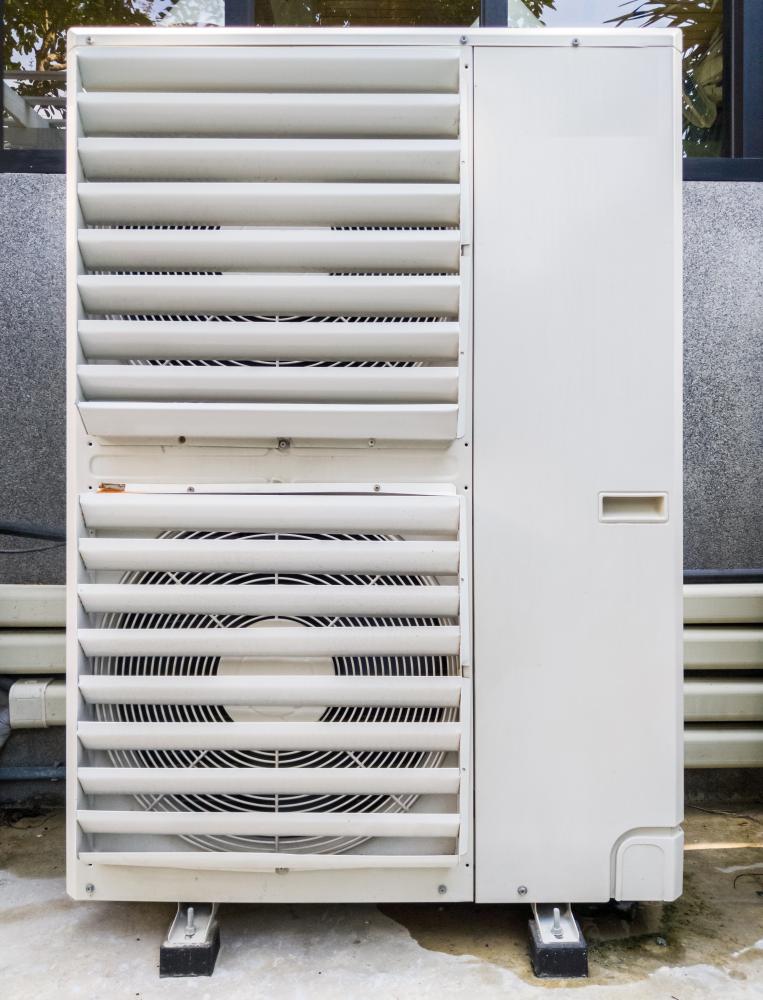
At HVAC Long Beach Masters, we often get asked how HVAC systems actually provide heat. HVAC systems typically heat air using a furnace or a heat pump. In a furnace system, natural gas or electricity heats air, which is then circulated through the ducts by a blower motor. Heat pumps, on the other hand, extract heat from the outside air and deliver it indoors, which can be quite energy-efficient, especially in moderate climates like Long Beach. By considering the specific needs and climatic conditions, we ensure that each heating solution matches the home's requirements, maintaining comfort and efficiency.
What is the science of airflow?
The science of airflow is crucial in understanding how HVAC systems distribute heat and cooling efficiently. At HVAC Long Beach Masters, we focus on how air moves through ducts, vents, and filters to maintain a comfortable indoor environment. Proper airflow management involves designing ductwork that minimizes resistance and placing vents strategically to ensure that conditioned air reaches every corner of a room. Misconceptions often lead people to believe that it's simply a matter of turning up the thermostat, but efficient airflow is a finely-tuned science that balances temperature and pressure for optimal performance.
How does a heat pump distribute heat?
We’ve found that heat pumps are a versatile solution for both heating and cooling. They work by transferring heat from one place to another, using a refrigerant to absorb and release heat. During the winter, a heat pump extracts heat from outside air—even when it's cold—and releases it inside your home. This process is reversed in the summer. The distribution of heat through ductwork is similar to other HVAC systems, but the efficiency of a heat pump makes it a popular choice for environmentally conscious homeowners. We always recommend regular maintenance to keep these systems running efficiently.
How does air flow through HVAC?
Airflow in an HVAC system starts at the intake vents, where air is pulled into the system to be conditioned. It then travels through ducts, passing filters and sometimes through a heat exchanger, either being heated or cooled. The conditioned air is distributed via supply vents into various rooms. The key to efficient HVAC operation, as we've seen, is ensuring there are no obstructions in ducts and that filters are clean. This allows for smooth airflow, preventing strain on the system and ensuring even temperature distribution, which enhances comfort and reduces energy use.
How can static pressure affect airflow in an HVAC system?
Understanding static pressure is crucial for anyone considering the efficiency of their HVAC system. Static pressure is the resistance or friction that the air encounters as it moves through the ductwork. If the static pressure is too high, it indicates blockages or poorly designed ductwork, which can hinder airflow significantly. We routinely measure static pressure during maintenance checks at HVAC Long Beach Masters to ensure optimal airflow. Keeping the static pressure within recommended levels not only prevents air leaks and reduces noise but also ensures that your system operates smoothly and efficiently.
Why is routine maintenance important for HVAC systems?
Routine maintenance is one of the best ways to ensure that your HVAC system operates at peak efficiency. At HVAC Long Beach Masters, we emphasize the importance of regular check-ups to prevent small issues like clogged filters or blockages in ducts from escalating into major problems. Routine maintenance helps to extend the life of your system, improve indoor air quality, and ultimately save on energy costs. We’ve seen firsthand how a well-maintained system not only operates more efficiently but also contributes to a healthier living environment by circulating cleaner air.
What types of HVAC systems are available?
In our experience, choosing the right HVAC system depends on your specific needs and circumstances. Common types include split systems, which are ideal for both heating and cooling, and hybrid systems that offer energy-efficient options for transitioning between gas and electric heating. Duct-free systems, or mini-splits, are perfect for homes without existing ductwork, providing energy savings and tailored comfort. We always assess individual needs, space, and budget before recommending a system, ensuring each client receives a solution that is both efficient and cost-effective.
How can HVAC systems improve indoor air quality?
Improving indoor air quality is an often overlooked yet vital function of HVAC systems. Advanced filtration technology within HVAC systems can remove allergens, bacteria, and other pollutants from the air. At HVAC Long Beach Masters, we stress the importance of clean filters and ducts to ensure the air circulating in your home is fresh and healthy. In Long Beach, with its unique environmental factors, maintaining indoor air quality is crucial for health and comfort, and we offer solutions like high-grade filters and air purifiers to tackle these challenges effectively.
####Resources
- U.S. Department of Energy – A comprehensive resource for energy efficiency, including information on HVAC systems and energy-saving tips.
- U.S. Environmental Protection Agency (EPA) – Offers insights into indoor air quality and the environmental impact of HVAC systems.
- ASHRAE – The American Society of Heating, Refrigerating and Air-Conditioning Engineers provides standards and best practices in HVAC system design and maintenance.
- Office of Energy Efficiency & Renewable Energy (EERE) – Part of the U.S. Department of Energy, this office focuses on promoting energy efficiency and renewable energy technologies.
- Centers for Disease Control and Prevention (CDC) – Includes resources on indoor air quality as it relates to health, important for understanding the impact of HVAC systems.