

Understanding Basic HVAC Problems
As a homeowner, encountering heating and cooling issues is not uncommon. From my experience with numerous clients at HVAC Long Beach Masters, certain problems appear more frequently than others. Recognizing these can be your first step toward effective troubleshooting of common heating & cooling problems at home.
One prevalent issue is the thermostat settings. It's surprising how often a simple adjustment resolves the problem. The system might not be heating your home because the thermostat is set incorrectly. Also, check if the fan setting is on “AUTO” to ensure it synchronizes with the heating cycle.
An obstructed airflow path can also hinder performance. Dirty air filters often cause this issue. Replace them regularly to maintain efficient air circulation. Closed vents are another barrier; ensure all are open and unobstructed by furniture or debris.
Heating Systems Troubleshooting
Heating systems present their own unique challenges. A furnace that turns on but doesn’t produce heat can be frustrating. In such cases, I've found that addressing the fuel supply is crucial. Check if the gas valve is open or if your propane or heating oil levels are adequate. Without a sufficient supply, heating systems can't function as intended.
Modern heating systems often rely on electronic ignitions. A malfunction here can prevent the furnace from heating. Cleaning or replacing a faulty igniter can often restore function. With older systems, relighting a pilot light might be necessary.
At HVAC Long Beach Masters, we emphasize preventive measures. Regular maintenance and timely inspections can help you avoid many common heating issues. By addressing potential problems early, you can ensure longer system life and efficiency.
Cooling System Dilemmas
Cooling systems are equally prone to problems. A common complaint we hear is the air conditioning not cooling enough. Before panic sets in, check the thermostat settings first. It should be set to “cool” and at a temperature lower than the current room temperature.
Refrigerant levels are another factor. Low refrigerant can impede cooling efficiency. It requires professional attention, as handling refrigerants demands specific expertise. Our team at HVAC Long Beach Masters is well-equipped to address these issues promptly.
Also, consider inspecting the exterior unit. Debris or vegetation can restrict airflow, reducing efficiency. Ensure the unit is clean and unobstructed to facilitate optimal performance. Regularly scheduling professional maintenance can save time and stress.
Lastly, the evaporator and condenser coils should be clean. Dirt buildup can impair heat exchange, leading to an inefficient cooling system. Cleaning these components requires professional expertise to avoid damage.
Common Troubleshooting Tips
When facing HVAC issues, a systematic approach can be beneficial. Start with the basics: the thermostat, power supply, and settings. Ensuring these are correct can often reveal simple solutions. For more complex issues, professional intervention is usually warranted.
Keep a maintenance log for your system. This way, any recurring problems can be identified and addressed promptly. It also helps professionals diagnose issues more effectively during service visits.
At HVAC Long Beach Masters, we recommend regular service checks. These can prevent major breakdowns and ensure your system functions efficiently throughout the year.
Handling Urgent Repairs
Despite best efforts, emergencies happen. Quick solutions are essential when your system breaks down unexpectedly. Our approach at HVAC Long Beach Masters involves rapid response and efficient service to restore comfort quickly.
We advise keeping our contact information handy for immediate help. Our skilled technicians provide reliable solutions, ensuring minimal disruption to your daily routine. From unexpected outages to critical repairs, we’ve got you covered.
Ultimately, understanding the common issues and preventative measures is vital. This knowledge empowers you to handle minor problems effectively and to seek professional help when necessary. By maintaining a proactive approach, you can enhance system longevity and performance.
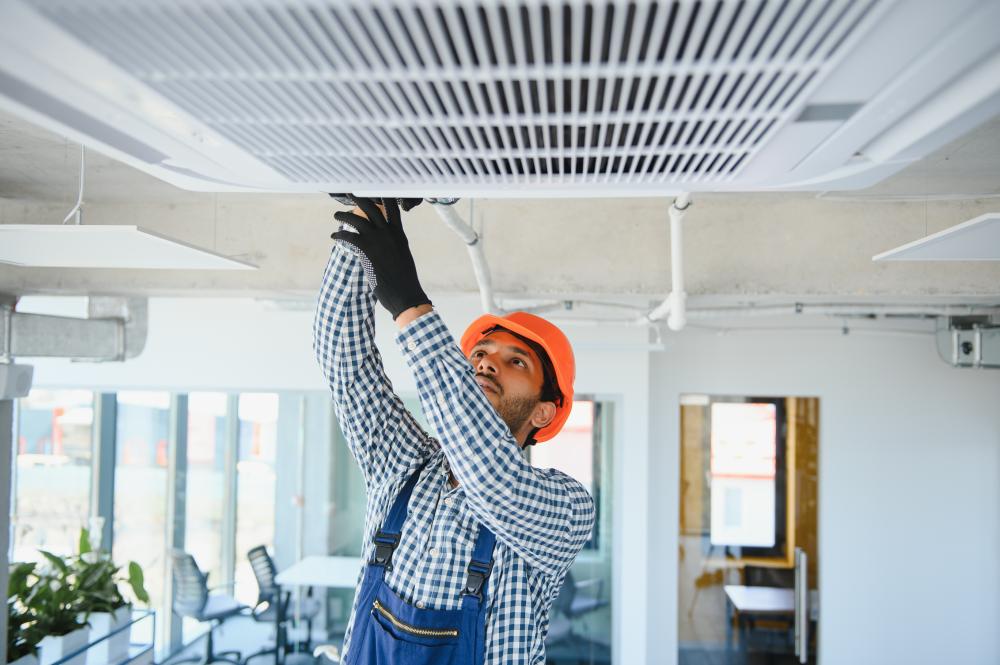
The Importance of HVAC System Maintenance
Effective HVAC system maintenance is crucial for the longevity and efficiency of your heating and cooling systems. At HVAC Long Beach Masters, we emphasize the importance of regular check-ups and servicing. These systems are not just about comfort but also about maintaining a healthy indoor environment. With our expertise, we ensure that your HVAC system is functioning optimally, reducing the risk of unexpected breakdowns.
Regular maintenance helps in minimizing energy consumption, leading to lower utility bills. An efficiently working HVAC system also ensures that the air circulated within your home or office is clean and free of harmful pollutants. This not only enhances comfort but also supports better health by reducing the presence of allergens and bacteria.
Common HVAC System Maintenance Tasks
Our team at HVAC Long Beach Masters handles a variety of maintenance tasks that keep your systems in top condition. One key aspect is changing air filters regularly. Filters trap dust and other particulates, and over time, they can become clogged. This affects the system's efficiency and air quality. Regular filter replacement is a simple yet effective way to maintain system health.
We also focus on cleaning the coils of your HVAC units. Dirty coils hinder the system's ability to cool efficiently, overworking the unit and causing higher energy bills. Furthermore, we inspect and clean ductwork to ensure there are no blockages that could compromise airflow. These essential tasks are part of our comprehensive HVAC system maintenance services.
Calibration of thermostats is another vital task. Ensuring your thermostat is accurate prevents the system from running unnecessarily, saving energy and extending the system's lifespan. It's a small detail that makes a big difference in overall system performance.
Types of HVAC System Maintenance
At HVAC Long Beach Masters, we distinguish between different types of maintenance to best serve our clients. Preventive maintenance is our priority, focusing on routine checks and servicing. It's designed to prevent issues before they arise, reducing the risk of costly repairs or replacements.
However, we are also adept at corrective maintenance. When an issue does occur, we address it swiftly to minimize downtime and restore system functionality. Our predictive maintenance strategies employ advanced diagnostics and monitoring tools to forecast potential failures, allowing us to intervene proactively.
Seasonal HVAC System Maintenance Tips
Different seasons demand specific maintenance tasks to keep systems efficient. In summer, ensuring your AC unit is free of debris and leaks is critical. At HVAC Long Beach Masters, we perform thorough inspections and cleanings to keep units performing optimally during peak usage.
As winter approaches, it's essential to prepare your heating system for the increased load. We recommend a pre-season check-up, encompassing everything from furnace performance to ensuring adequate insulation. Regularly scheduled HVAC system maintenance during these transitions can prevent unexpected issues.
Choosing the Right HVAC Service Provider
Choosing a reliable service provider like HVAC Long Beach Masters ensures peace of mind. Our commitment to excellence and customer satisfaction sets us apart. We provide transparent services, expert advice, and timely interventions to ensure your HVAC systems operate at their best.
Our team of skilled technicians is always ready to assist with any HVAC system maintenance needs. We pride ourselves on our professionalism and dedication, ensuring that each service call results in a positive experience. Our goal is not just to fix problems but to establish long-lasting solutions for our clients’ comfort and convenience.
Understanding the Basics of Furnace Operation
Delving into the world of DIY furnace repair, it's vital to comprehend the basic operation of your home furnace. A furnace works by igniting a mixture of air and fuel to produce heat. This heat then transfers through a series of ducts, warming the air that travels into your home. Essential components include the thermostat, ignition, and burner. Each plays a specific role in the heating process, ensuring your home remains cozy during cold spells.
When tackling DIY furnace repair, recognizing the signs of malfunction can save time and prevent costly repairs. Listen for strange noises, such as banging or rattling. Inspect visibly worn or damaged components. Keep an eye on your thermostat for erratic temperature shifts. Each indicator can point to a specific issue that may require immediate attention.
Tackling Common Furnace Issues
Turning to DIY furnace repair is often prompted by common problems. A faulty thermostat is a frequent culprit. If your furnace fails to start, check the thermostat's settings and battery life. A simple replacement or recalibration may restore functionality.
Another typical issue involves clogged filters. Dirty filters obstruct airflow, causing the furnace to overheat and shut down. Regularly replacing filters every three months enhances airflow and efficiency. This task is an easy DIY furnace repair that prolongs the life of your system.
Cleaning the blower motor is also crucial. Dust and debris accumulation can lead to early system failure. A gentle brush or vacuum can remove buildup. Keeping components clean ensures consistent performance.
Safety Precautions in DIY Furnace Repair
Embarking on DIY furnace repair requires a focus on safety. Always turn off the power before beginning any maintenance. This simple step prevents electrical shock and protects your equipment. Keep tools organized and within reach to avoid unnecessary risks.
Ensure proper ventilation in your workspace. Adequate airflow reduces the inhalation of harmful fumes emitted during repairs. Additionally, wear protective gear, such as gloves and goggles, to shield against debris and accidental burns. Safety first is a fundamental principle.
Be aware of potential gas leaks when working with furnaces. If you suspect a leak, immediately evacuate the area and contact a professional. Never attempt to fix a gas leak independently. It's paramount to prioritize safety above DIY ambitions.
Leverage the expertise of professionals if you encounter complex issues. Some malfunctions require specialized knowledge that goes beyond DIY capabilities. Collaborating with experts ensures safe and effective solutions.
Preventative Maintenance Tips
Incorporating preventative maintenance into your routine helps avert future DIY furnace repair needs. Begin with seasonal inspections. Checking on your furnace before heavy usage periods can identify issues early. Set reminders to avoid oversight.
Involve a professional once a year to conduct thorough inspections. Skilled experts can uncover hidden weaknesses within the system, offering proactive solutions. This yearly check complements your DIY efforts, safeguarding your heating system.
Clean and clear the area surrounding your furnace. Clutter increases the risk of fires and restricts airflow. A tidy environment contributes to the longevity and safety of your furnace.
Troubleshooting Tips for Unforeseen Issues
When unforeseen issues arise, knowing some basic troubleshooting techniques can be invaluable in DIY furnace repair. Begin with the power supply. Verify that all switches and breakers are in the correct position.
If the issue persists, check the ignition system. A malfunctioning ignitor can lead to a complete system shutdown. Consult your furnace manual for instructions on testing and replacing the igniter if needed.
- Listen for unusual noises that could indicate loose components.
- Inspect the furnace’s flame. A dull yellow flame suggests incomplete combustion or contamination.
- Ensure all vents and ducts are open and unobstructed.
These troubleshooting steps often identify the root cause of the problem, allowing for swift resolution.

How do you troubleshoot a heating problem?
Troubleshooting a heating problem often starts with some basic checks. Begin by examining the thermostat settings to ensure they are set correctly. Sometimes, a simple adjustment from “OFF” to “HEAT” or checking if the fan is set to “AUTO” can solve the issue. I once had a client call us frantic because their home was cold, only to realize that someone had accidentally flipped the thermostat setting.
Next, inspect the power supply. Verify that the circuit breaker and power switches are in the proper position. It's surprising how often a tripped breaker is the root cause. Additionally, make sure all vents are open and not blocked by furniture, as this can impede airflow and give the impression that the heating system isn't working.
If these steps don't resolve the problem, the issue might be more complex, such as a malfunctioning ignition or a fuel supply problem. At HVAC Long Beach Masters, our approach emphasizes a systematic assessment to pinpoint and address the issue efficiently. We recommend calling in a professional if you're not comfortable dealing with these more intricate components.
Why is my heater turning on but not heating?
When your heater turns on but fails to generate heat, it can be quite perplexing. One frequent cause we see at HVAC Long Beach Masters is an issue with the fuel supply. For gas furnaces, check whether the gas valve is open. Those using propane or oil should confirm that their supply levels are adequate.
Modern heaters often rely on electronic ignitions, where a faulty ignitor can prevent heating. Imagine expecting warm air and only receiving a cold draft! Cleaning or replacing the ignitor can often solve this. In older models, it might be as simple as relighting the pilot light.
If these don't solve the issue, there could be a problem with the blower motor or a blocked exhaust vent. Regular maintenance can help prevent such problems by catching potential issues early. If you're still facing problems, our experts at HVAC Long Beach Masters are always ready to assist you in getting your system back on track.
Which of the following is a common furnace problem?
Among the plethora of issues we encounter, one common furnace problem is a clogged filter. It might not seem like a big deal, but a dirty filter can severely restrict airflow, leading to overheating and system shutdowns. It's akin to trying to drink a milkshake through a clogged straw!
Regularly replacing filters, at least every three months, is a simple yet effective preventative measure. Not only does it help ensure optimal airflow, but it also improves the overall air quality in your home. I've had numerous clients express amazement at how much better their system performs with such a straightforward fix.
Another frequent issue involves thermostat malfunctions. A faulty or miscalibrated thermostat can cause erratic heating cycles. If you've checked the settings and battery but still face issues, it might need recalibration or replacement.
By maintaining a log of maintenance activities and being attentive to these common problems, you can save yourself from sudden breakdowns. If in doubt, consulting with a specialist from HVAC Long Beach Masters can help you address and prevent these issues efficiently.
How do you diagnose heating problems?
Diagnosing heating problems requires a blend of observation and technical knowledge. Start by listening for unusual noises that might indicate mechanical issues. At HVAC Long Beach Masters, we often ask homeowners about any new or strange sounds as a first diagnostic clue.
Check the thermostat for proper settings and battery life. An erratic thermostat can cause fluctuating temperatures. If everything seems normal, inspect the system's power supply. Sometimes, it can be as simple as a tripped circuit breaker.
Look for any visible signs of wear or damage on key components like the ignitor or burner. An expert eye can often spot issues that might be missed by a layperson. And don't forget to inspect filters and vents for blockages.
When it comes to diagnosing more complex issues, it's beneficial to involve a professional. Our team at HVAC Long Beach Masters uses advanced diagnostic tools to identify underlying problems efficiently. Engaging with a professional not only saves time but can also avert potential safety hazards.
For those interested in exploring further, consider the latest advances in smart thermostats and home automation which offer diagnostic features right at your fingertips. What steps do you take to troubleshoot your heating problems? Share your experiences or questions below—engagement with fellow readers can provide additional insights.
#### Resources for HVAC Troubleshooting and Maintenance- U.S. Department of Energy – The U.S. Department of Energy provides a wealth of information on energy efficiency and HVAC system maintenance, helping homeowners make more informed decisions about their heating and cooling needs.
- U.S. Environmental Protection Agency (EPA) – The EPA offers resources about improving indoor air quality and energy efficiency, emphasizing proper HVAC system maintenance and operation for a healthier living environment.
- AHRI (Air-Conditioning, Heating, and Refrigeration Institute) – AHRI is a trade association representing manufacturers of HVACR and water heating equipment and offers resources on system performance standards and certifications.
- American Society of Heating, Refrigerating and Air-Conditioning Engineers (ASHRAE) – ASHRAE provides technical standards, guidelines, and resources for HVAC system design and maintenance, aiding in improving efficiency and performance.
- Centers for Disease Control and Prevention (CDC) – The CDC offers guidance on HVAC system operations to improve ventilation in homes and workplaces, contributing to better health and well-being.