

Importance of Energy Efficiency
When it comes to heating and cooling systems, understanding SEER & HSPF ratings for energy-efficient HVAC systems is vital. These ratings significantly impact the efficiency, performance, and cost-effectiveness of your system. At HVAC Long Beach Masters, we're committed to helping you make informed choices. SEER, or Seasonal Energy Efficiency Ratio, evaluates the cooling efficiency. A higher SEER rating typically indicates greater energy efficiency, leading to potential cost savings over time.
On the other hand, HSPF, or Heating Seasonal Performance Factor, is crucial for understanding a heat pump's heating efficiency. Homeowners often overlook these ratings, yet they hold the key to long-term savings on energy bills. In a world increasingly concerned about sustainability, choosing systems with better SEER and HSPF ratings is not just smart; it's essential.
Understanding SEER Ratings
Getting to grips with SEER ratings can be a game-changer for your home's energy consumption. In our work at HVAC Long Beach Masters, we frequently encounter queries about how SEER impacts energy costs. Simply put, a higher SEER rating means the air conditioner uses less energy to provide cooling. This efficiency translates into lower electricity bills—a relief for many of our clients in Long Beach.
Consider the difference between an old system with, say, a SEER rating of 8, and a modern system boasting a SEER of 16. The efficiency gap means a substantial reduction in energy usage and associated costs. But the benefits don’t stop there! Higher SEER-rated systems also tend to offer enhanced cooling performance, making it a more comfortable summer for you and your family.
Nevertheless, selecting the right SEER rating requires a balance between upfront costs and long-term benefits. It's why our expert team at HVAC Long Beach Masters is dedicated to guiding clients through each step of the decision-making process.
The Role of HSPF Ratings
While SEER focuses on cooling, HSPF is all about heating efficiency. For those considering heat pumps, understanding SEER & HSPF ratings for energy-efficient HVAC systems is pivotal. HSPF measures the heating efficiency of a heat pump, much like SEER does for an air conditioner. Similar to SEER, a higher HSPF rating indicates better energy efficiency.
Our specialists often emphasize the importance of HSPF to homeowners in cooler climates. An efficient heat pump can significantly reduce heating costs during colder months. This dual focus on SEER and HSPF ensures you benefit from a year-round efficient system.
In our experience, integrating these efficient systems with regular maintenance leads to optimal performance and longevity. Our team is always ready to offer insights into choosing the right balance of SEER and HSPF for your specific needs.
Advantages of High Efficiency Systems
Reduced Energy BillsFor many homeowners, the main appeal of high SEER & HSPF systems is reduced energy bills. Every percentage increase in efficiency directly translates to savings. Imagine replacing an outdated system with a high-efficiency model—the reduced consumption and savings can be substantial.
Environmental ImpactBesides cost savings, there's the environmental aspect to consider. Selecting systems with excellent SEER and HSPF ratings contributes to reducing carbon footprints. In our role at HVAC Long Beach Masters, we advocate for more sustainable choices. These systems decrease the demand for power, lowering emissions and promoting a healthier planet.
Enhanced Comfort and PerformanceAnother advantage is the improved comfort and performance. High-efficiency systems provide consistent temperatures and reliably dehumidify homes. This improvement in indoor quality enhances overall comfort—a frequent feedback point from our satisfied Long Beach customers.
Personal Insights and Experiences
At HVAC Long Beach Masters, years of experience have shown us the transformative power of understanding SEER & HSPF ratings for energy-efficient HVAC systems. We've seen firsthand how accurately choosing these systems impacts utility bills and home comfort. One client, for example, reported a substantial drop in energy expenses after upgrading their HVAC system based on our recommendations. These success stories fuel our passion for helping others achieve similar results.
With the right guidance, navigating the complexities of SEER and HSPF ratings becomes manageable. It’s a rewarding endeavor that aligns with our core mission: delivering satisfaction and clean air in every home we service. We remain committed to providing exceptional service, always prioritizing energy efficiency and client satisfaction.
In conclusion, understanding SEER & HSPF ratings for energy-efficient HVAC systems empowers homeowners. It ensures smarter, more sustainable choices that benefit both the wallet and the environment. As specialists, we at HVAC Long Beach Masters are here to guide you every step of the way, ensuring a seamless experience.

Importance of Energy Efficiency
Living in Long Beach, where the temperatures can soar and dip unpredictably, having a consistent, efficient HVAC system is crucial. Energy-efficient HVAC systems help you manage energy consumption, significantly cutting down on utility bills. It's about achieving optimal home comfort without the excessive energy drain.
Energy-efficient HVAC systems are designed to perform more effectively while using less energy. This means your home stays comfortable year-round without driving up costs. Plus, it's a win-win as these systems reduce your carbon footprint, contributing to a greener planet.
Key Components of Energy-Efficient HVAC Systems
Our experience at HVAC Long Beach Masters shows that several key components make HVAC systems energy efficient. First, high-efficiency equipment like advanced furnaces and air conditioners play a pivotal role. They often boast superior efficiency ratings, allowing maximum output with minimal energy input.
Installation practices are equally vital. Proper installation ensures your system runs at peak performance. Poorly installed systems can lead to 30% more energy use, a fact we've witnessed firsthand. Regular maintenance also ensures everything runs smoothly and efficiently, preventing unforeseen breakdowns.
Alongside these components, smart controls, such as programmable thermostats, enhance energy use management. They allow homeowners to adjust cooling and heating based on their schedule, optimizing the system's efficiency throughout the day.
Air Quality and Efficiency
At HVAC Long Beach Masters, we emphasize both air quality and efficiency. Energy-efficient HVAC systems are not only cost-effective but also improve indoor air quality. They are equipped with advanced filters designed to minimize airborne contaminants, such as allergens and bacteria.
Our clients often notice a notable improvement in air quality post-installation. This improvement is particularly crucial for those with respiratory issues or allergies. Clean air isn't just a luxury; it's a necessity, and energy-efficient systems provide this without compromise.
Furthermore, these systems maintain consistent airflow, reducing hot and cold spots in your home. This advantage provides comfort and aids in the even distribution of clean air, ensuring every corner of your home benefits from the system's efficiency.
Cost Considerations
The initial investment for energy-efficient HVAC systems can be daunting. However, it's a long-term investment. Over time, savings from reduced utility bills can be substantial. Our clients regularly see a return on investment in just a few years.
Energy-efficient systems also hold their value, boosting the resale value of your property. Buyers are increasingly attracted to sustainable home features, making these systems more desirable. Additionally, many areas offer rebates and incentives for installing energy-efficient systems, further offsetting costs.
At HVAC Long Beach Masters, we encourage exploring financing options to make these systems more accessible. Spreading the cost over time can ease the financial burden, allowing more homeowners to enjoy the benefits.
In summary, energy-efficient HVAC systems are a smart choice for any homeowner. From cost savings and improved air quality to a reduced environmental impact, the benefits are clear. As experts in the field, we see firsthand how these systems transform homes throughout Long Beach, and we are here to help you make the switch seamlessly.
Understanding SEER & HSPF Ratings
SEER & HSPF ratings are crucial when considering the efficiency of heating and cooling systems. As a leading provider of HVAC services, HVAC Long Beach Masters understands the significance of these ratings in ensuring optimal energy performance. The term SEER stands for Seasonal Energy Efficiency Ratio. It measures the cooling efficiency of air conditioners and heat pumps during a typical cooling season. On the other hand, HSPF, or Heating Seasonal Performance Factor, rates the efficiency of the heating function of heat pumps over a season.
We’ve observed that higher SEER & HSPF ratings usually result in lower energy bills for our clients. These ratings provide a benchmark for comparing different units. Naturally, a higher rating implies better efficiency, translating into cost savings over time. It's essential when choosing a system for your home or business in Long Beach, California.
Impact of SEER & HSPF Ratings on Energy Bills
At HVAC Long Beach Masters, we emphasize the importance of selecting systems with high SEER & HSPF ratings. These ratings indicate greater efficiency, which directly affects your utility costs. For instance, clients who choose systems with higher ratings often report reduced energy expenses, even during peak usage seasons. This becomes particularly evident in Long Beach, where temperature fluctuations demand efficient climate control.
Consider the long-term savings associated with higher-rated systems. While the initial investment may be slightly higher, the reduction in energy costs over several years offers significant savings. Our team usually recommends systems with at least a 14 SEER rating, ensuring balance between cost and performance. This approach aligns with our commitment to both affordability and efficiency.
How We Help Choose the Right System
Choosing the right system with optimum SEER & HSPF ratings can be challenging. At HVAC Long Beach Masters, our experienced technicians guide our clients through this process. We take several factors into consideration, such as the size of the space, typical usage patterns, and budget constraints. These assessments help in selecting a system that perfectly suits specific needs.
We often share our professional insights with our clients, based on years of experience in the field. Clients appreciate our personalized approach. They value our dedication to finding solutions that maximize comfort and efficiency. By focusing on SEER & HSPF ratings, we ensure our clients get systems that offer both immediate and long-term benefits.
Benefits of Regular Maintenance
Regular maintenance is another vital aspect that strengthens the impact of SEER & HSPF ratings on system performance. Through routine inspections at HVAC Long Beach Masters, we help maintain these ratings by ensuring systems run at peak efficiency. This proactive approach extends the life of HVAC systems and prevents unnecessary energy wastage.
Maintenance involves cleaning, checking components, and calibrating the system. Our clients notice significant improvements in efficiency post-service. We believe that regular upkeep not only preserves the SEER & HSPF ratings but also contributes to consistent indoor air quality. This aligns with our goal of ensuring clean, healthy air for all our clients.
Additionally, maintaining these ratings is beneficial for the environment. Energy-efficient systems contribute to reducing carbon footprints. It's always rewarding to see our clients benefiting financially while also playing a part in environmental conservation.
How to understand SEER?
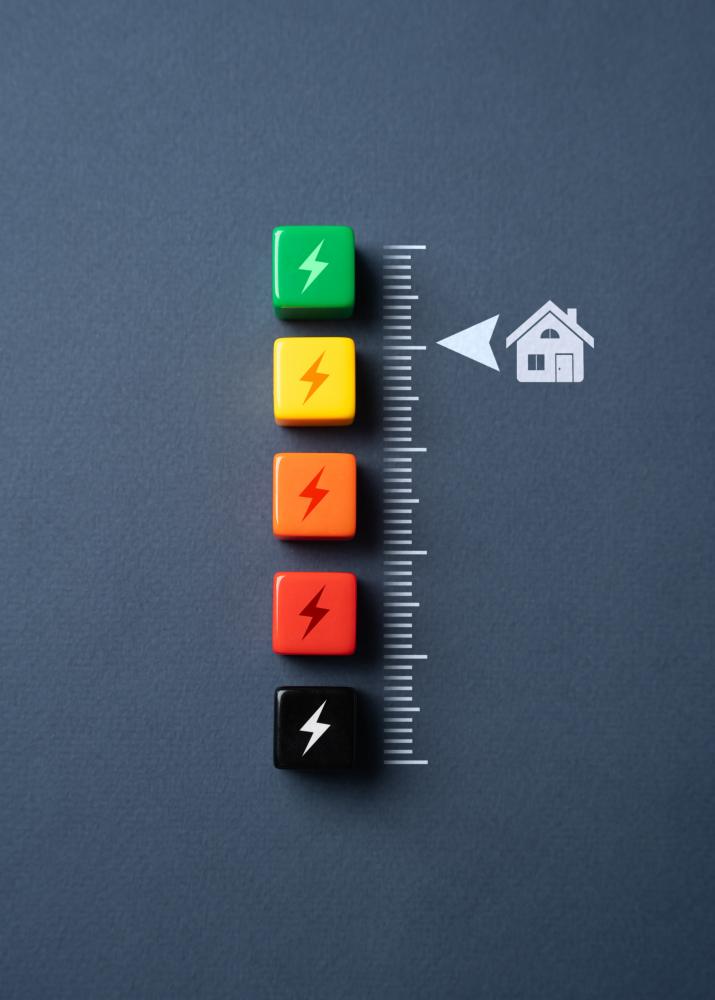
Understanding SEER, or the Seasonal Energy Efficiency Ratio, is like unlocking a secret to your air conditioning system's efficiency. SEER measures the cooling output over a typical cooling season divided by the total electric energy input during the same period. Think of it as the miles per gallon for your air conditioner. Higher SEER ratings mean greater efficiency, which translates into lower energy bills. For example, if your current unit has a SEER of 10 and you're considering upgrading to a unit with SEER 16, you're looking at potentially 60% less energy consumption just for cooling! Our team at HVAC Long Beach Masters often advises clients to consider their local climate and cooling needs to choose the most cost-effective option. Are you curious if upgrading your SEER can really make a noticeable difference in your energy bills?
How much more efficient is a 20 SEER vs 14 SEER?
When comparing a 20 SEER system to a 14 SEER system, you're essentially looking at a system that's nearly 43% more efficient. This kind of efficiency leap is significant. Imagine running your air conditioning all summer with almost half the energy use! This level of efficiency not only cuts down on your utility bills but also reduces the strain on the environment by lowering power consumption. However, it’s essential to weigh the higher upfront costs against long-term savings. At HVAC Long Beach Masters, we often help clients perform these cost-benefit analyses considering factors like energy prices, usage patterns, and how long they plan to stay in their current home. Would you like some help in calculating potential savings for your specific situation?
What is the purpose of a SEER?
SEER serves as a crucial metric for gauging the energy efficiency of air conditioning units and heat pumps during the cooling season. The primary purpose of SEER is to offer consumers a standardized measure to compare different units on an even playing field. With a higher SEER rating, you're assured that the unit uses energy more efficiently, which is particularly important in areas like Long Beach with high cooling demands. At HVAC Long Beach Masters, we emphasize that beyond just efficiency, higher SEER units often come with additional features that enhance comfort and reduce noise. Do you want to explore these extra benefits and see which features might best enhance your home comfort?
How do you identify a SEER?
Identifying a SEER rating is straightforward once you know where to look. Typically, you'll find the SEER rating listed on the yellow EnergyGuide label on the side of your air conditioning unit or heat pump. This label provides a quick way to see not only the SEER rating but also estimated annual energy use and cost, helping you make an informed decision. Our experts at HVAC Long Beach Masters recommend always checking the label before purchasing a new unit. Moreover, discussing your options with a professional can provide additional clarity, especially if you're unsure about how these ratings translate into real-world savings. Ready to dive deeper into how SEER affects energy use and comfort levels?
What are the benefits of high SEER & HSPF ratings?
High SEER and HSPF ratings offer numerous benefits, primarily focused on reducing energy costs and improving environmental sustainability. With higher ratings, your HVAC systems run more efficiently, leading to lower monthly utility bills. Besides the direct savings, these ratings often indicate systems with better technology, resulting in quieter operation and superior temperature control. Environmentally, high-efficiency systems reduce carbon emissions, contributing to a greener planet, which is a cause we passionately support at HVAC Long Beach Masters. Additionally, such systems can increase the resale value of your property as more buyers become energy-conscious. Have you considered how upgrading could positively impact your environmental footprint and home comfort?
#### Resources on Energy Efficiency and HVAC Ratings- U.S. Department of Energy: The U.S. Department of Energy provides extensive resources on energy efficiency, including information on SEER and HSPF ratings and how they impact energy consumption.
- U.S. Environmental Protection Agency: The EPA offers resources on energy efficiency and the environmental benefits of using high-efficiency systems, including those with high SEER and HSPF ratings.
- ENERGY STAR: This program provides certification for energy-efficient products, including HVAC systems, and offers guidance on selecting systems with optimal SEER and HSPF ratings.
- ASHRAE: The American Society of Heating, Refrigerating and Air-Conditioning Engineers offers comprehensive materials on HVAC standards and efficiency metrics, including SEER and HSPF ratings.
- American Council for an Energy-Efficient Economy: ACEEE provides research and data on energy efficiency in various sectors, including home cooling and heating systems with SEER and HSPF ratings.
- National Renewable Energy Laboratory: NREL conducts research and offers resources on renewable energy and energy efficiency, including advancements in HVAC technology and ratings such as SEER and HSPF.