

Importance of Timing
Knowing when is the right time to upgrade your HVAC system can significantly impact your home's comfort and efficiency. Many homeowners tend to delay upgrades until their systems break down, which can lead to costly emergency repairs. It's essential to be proactive and recognize the signs indicating that your HVAC system needs an upgrade.
A good rule of thumb is to consider an upgrade if your system is over a decade old. Efficiency declines with age, causing increased energy costs. Experts suggest evaluating your system's performance regularly to make informed decisions.
Financial Benefits
The financial benefits of upgrading your HVAC system are substantial. While the initial cost might seem daunting, the long-term savings on energy bills can offset this expense. Older systems consume more power, leading to skyrocketing utility bills. Upgrading your HVAC system can save you up to 20% or more on energy costs, reducing your monthly expenses.
Additionally, many utility companies offer rebates for energy-efficient upgrades. These incentives can make upgrading more affordable. It's worth exploring these options to minimize your out-of-pocket expenses.
Remember, investing in a new system is an investment in your home's future value. Energy-efficient systems are attractive to potential buyers, making your property more appealing should you decide to sell.
Consider seasonal promotions from HVAC providers. You might find discounts or payment plans to help manage the upgrade cost. Planning ahead can lead to significant savings.
Enhanced Comfort and Air Quality
Upgrading your HVAC system not only saves money but also improves comfort. Modern systems offer more consistent temperature control, eliminating those frustrating hot or cold spots common in older units. This enhancement contributes to a more comfortable home environment year-round.
New HVAC systems often include advanced air filtration and purification technologies. These features enhance indoor air quality by removing dust, allergens, and pollutants. This improvement is crucial for households with allergy sufferers or respiratory concerns.
High-quality air promotes better health and well-being. Breathing cleaner air can lead to fewer allergy symptoms and respiratory issues. Investing in an upgraded system means investing in the health of your home and family.
Environmental Responsibility
Upgrading your HVAC system aligns with a more environmentally conscious lifestyle. Modern systems are designed to be more energy-efficient and eco-friendly, reducing your carbon footprint significantly. By consuming less energy, your home contributes to a more sustainable future.
When is the right time to upgrade your HVAC system? Consider it when you aim to be more environmentally responsible. Reducing energy consumption not only benefits your wallet but also the planet. It’s a win-win situation.
Professional Guidance and Maintenance
Consulting with HVAC professionals can provide valuable insights into when is the right time to upgrade your HVAC system. They can assess your current system's efficiency and offer personalized recommendations. Trust in their expertise to make well-informed decisions.
Regular maintenance is also key. Even new systems require periodic check-ups to ensure optimal performance. Implementing a maintenance schedule can extend your system's lifespan and maintain its efficiency.
- Change air filters regularly.
- Schedule annual inspections.
- Monitor for unusual noises or performance issues.
These simple steps can prevent costly breakdowns and ensure that your HVAC system continues to serve you well.

Recognizing Unusual Noises
Having worked with countless clients in Long Beach, I’ve learned that unusual noises are often one of the first signs of HVAC system failure. A system functioning properly should be quiet, aside from a gentle hum. So, when a homeowner hears rattling, banging, or grinding, it's definitely time to investigate.
A loose component or debris can cause these sounds, especially if they're metallic or sharp. It’s essential to address these issues swiftly to prevent further damage. My team is trained to identify the source of the noise, be it a motor issue or a fan blade malfunction, and rectify it efficiently.
Letting these noises persist can lead to costly repairs. That's why prompt action is crucial. Sometimes, it could be as simple as a loose screw, but other times, it might indicate a more serious problem, like a failing compressor.
Impact of Inconsistent Airflow
Inconsistent airflow is another common sign of HVAC system failure. I’ve seen many residents struggle with rooms that are too hot or too cold, and this often points to a larger issue within the system.
This issue can stem from a blocked duct or a failing blower motor. The system might try to compensate, running more frequently and consuming more energy. A simple check could involve inspecting air filters, which should be replaced regularly to ensure efficient airflow.
A professional assessment from us typically reveals if there’s a larger issue like duct leakage or an inefficient system design. It’s something my clients appreciate since it not only resolves their immediate concern but also enhances their system’s overall efficiency.
Unusual Odors and Air Quality
One thing every homeowner should watch for is unusual odors emanating from the HVAC system. Having an uncommonly high number of service calls related to this, I've found that a musty smell often indicates mold growth, which thrives in moist environments like ductwork.
Such situations not only signal HVAC system failure but also pose a health risk. Our team conducts a thorough inspection, pinpointing areas at risk and using specialized equipment to clean the system thoroughly.
We also recommend installing high-efficiency filters that trap mold spores and prevent future growth. Improving indoor air quality is paramount, so our strategy always includes proactive measures to keep the air fresh and clean.
Concerns with Humidity Levels
Humidity levels are another indicator of HVAC system failure. If your home feels sticky or damp, it’s time to question your HVAC’s performance. We’ve corrected many systems in Long Beach facing such issues, often linked to improper sizing or leaks.
An incorrectly sized unit struggles to regulate humidity, working harder than necessary and still failing to achieve comfort. Our experts can assess your system's capacity and provide solutions, such as dehumidifiers or system upgrades, tailored to your home’s needs.
Addressing these humidity issues not only makes for a more comfortable home environment but also protects your house from mold and structural damage. Maintaining proper humidity is essential for both comfort and home preservation.
The Importance of Routine Maintenance
Routine maintenance is key in preventing HVAC system failure. Many homeowners underestimate its importance, thinking they can simply call for repairs when needed. However, regular check-ups can save you from unexpected breakdowns.
Our maintenance plans at HVAC Long Beach Masters include seasonal inspections where we clean, tune, and replace any worn components. This proactive approach extends the lifespan of your system and keeps your home consistently comfortable.
By investing in routine maintenance, you’re making a smart choice for your home and wallet. It’s something we emphasize to all our clients, ensuring they get the best performance out of their systems year-round.
Energy Efficiency and Cost Savings
One undeniable benefit of upgrading HVAC system is the potential for significant energy savings. Energy-efficient models use advanced technology to reduce energy consumption without sacrificing performance. This means your energy bills become more predictable and manageable month to month, aligning perfectly with budget-conscious homeowners' needs.
With energy costs always on the rise, investing in an efficient HVAC system can lead to long-term financial benefits. Think of it as not just an upgrade but an investment in your home's value and your financial future. Every time you receive your energy bill, you'll appreciate the decision to invest in energy savings.
Boost in Home ComfortThe convenience of controlled indoor climates is another compelling benefit of upgrading HVAC system. Inconsistent temperatures and humidity levels can make living spaces uncomfortable and even unhealthy. Advanced systems feature improved ventilation and climate control capabilities such as zoning and variable speed motors.
These technologies ensure that every room in your home maintains the desired temperature and humidity level. Imagine a bedroom that's always just right for sleeping or a living room that's cozy during those chillier months. With an upgraded HVAC, home comfort becomes a consistent reality.
Enhanced Indoor Air Quality and Health Advantages
An often overlooked benefit of upgrading HVAC system is the improvement in indoor air quality. Newer systems are designed with advanced filtration options that capture more pollutants than ever before. This results in cleaner air, which can significantly impact your health and well-being.
Whether it's allergens, dust, or even mold spores, the air you breathe at home becomes cleaner with the right HVAC system. This is particularly beneficial for those who suffer from allergies or respiratory issues. Breathe easier and enjoy a healthier living environment as a result.
Longevity and Increased Home Value
Modern HVAC systems come with the promise of a longer lifespan. They often outlast older, less efficient models due to their innovative design and better parts. When installed by professionals, these systems can provide reliable service for many years before needing major repairs or replacement.
Additionally, an energy-efficient HVAC system can significantly increase your home’s value. Prospective buyers are often willing to pay more for homes with modern, energy-efficient systems because they recognize the potential for lower utility bills and fewer maintenance issues. This added value can be a major selling point when the time comes to move.
Environmental ImpactUpgrading your HVAC is a step towards an eco-friendly lifestyle. Energy-efficient systems reduce your carbon footprint by using less energy and often utilizing more environmentally friendly refrigerants. This is crucial as global attention increasingly shifts toward sustainability.
Every household can contribute to environmental preservation, and an upgraded HVAC system is a significant step in that direction. Enjoy the peace of mind that comes with knowing your home is more sustainable, contributing less to environmental degradation.
- Energy savings translate to cost savings over time.
- Enhanced indoor comfort with consistent temperatures.
- Improved air quality benefits health.
- Increases home value and longevity of the system.
- Reduced environmental impact.
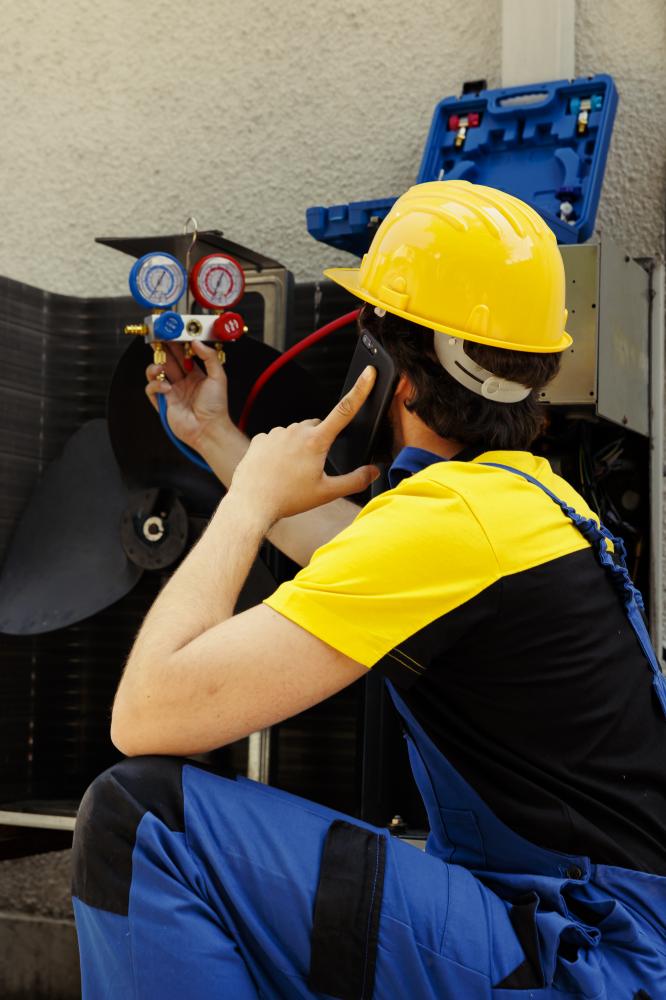
When to upgrade your HVAC?
As a leading HVAC service provider in Long Beach, we often get asked when the ideal time is to upgrade your HVAC system. The right time isn't always when the system breaks down completely. Proactively upgrading your HVAC can avoid costly emergency repairs. Typically, if your system is over a decade old, it's wise to start considering an upgrade. Efficiency tends to decline with age, leading to higher energy bills and less effective climate control. Regular evaluations of your system's performance can help make an informed decision. What signs indicate it's time to upgrade for you?
What is the $5000 rule for AC?
The $5000 rule is a handy guideline used to decide if you should repair or replace your air conditioner. You multiply the age of the unit by the repair cost, and if the result is more than $5000, it's a sign you should consider replacing it. For example, if your system is 10 years old and the repair is estimated at $600, the total is $6000, suggesting replacement might be the better financial decision in the long run. It's an easy way to weigh the cost of continued repairs against the investment in a new, more efficient system. Have you tried calculating using this rule?
Is it better to replace HVAC in 2024 or 2025?
Deciding whether to replace your HVAC in 2024 or 2025 depends on several factors, including the condition of your current system and your financial situation. But generally, upgrading sooner rather than later could provide immediate benefits like improved energy efficiency and comfort. If your system is nearing the end of its life, energy prices are rising, or new, more efficient technologies are available, upgrading in 2024 could allow you to start saving on energy costs. Additionally, seasonal promotions and rebates might make 2024 a more cost-effective option. Have you considered how energy savings might impact your decision?
Should you replace a 20 year old HVAC?
Yes, replacing a 20-year-old HVAC system is generally advisable. Older systems are significantly less efficient than newer models, meaning they're likely costing you more in energy bills. Plus, they may no longer provide the comfort and air quality improvements modern HVAC systems offer. Issues like inconsistent temperatures and frequent breakdowns are common with older systems and can be alleviated by upgrading. Newer systems also use eco-friendly refrigerants, aligning with environmentally conscious practices. How does your current system's performance compare to what newer models offer?
Signs of HVAC system failure
Recognizing signs of HVAC failure early can save you time and money. Unusual noises like rattling or grinding often hint at potential system issues, possibly from a loose component or motor trouble. Inconsistent airflow across rooms can indicate blocked ducts or a failing blower motor. Such signs mean your system is straining to maintain comfort, boosting energy usage. Unusual odors might suggest mold growth in the ductwork, posing health risks. Is your HVAC showing any of these warning signs?
Benefits of upgrading HVAC system
Upgrading your HVAC system offers substantial benefits, from financial savings to enhanced home comfort. Newer models reduce energy consumption, leading to lower utility bills and a smaller carbon footprint. They also improve air quality, vital for families with allergies or respiratory issues, and maintain consistent temperatures throughout your home. Investing in a modern HVAC system not only increases your home's value but also aligns with a more sustainable lifestyle. How important is energy efficiency and air quality in your decision to upgrade?
#### Resources for HVAC Upgrades and Maintenance- U.S. Department of Energy – This government resource provides comprehensive information on energy efficiency and renewable energy technologies, including tips for upgrading HVAC systems to save energy and reduce costs.
- U.S. Environmental Protection Agency (EPA) – The EPA offers information on indoor air quality and environmentally responsible practices, which can guide your decisions on HVAC upgrades.
- Air-Conditioning, Heating, & Refrigeration Institute (AHRI) – A reputable industry organization that provides resources about HVAC performance and guidelines for choosing energy-efficient systems.
- ENERGY STAR – This program by the U.S. Environmental Protection Agency and the U.S. Department of Energy supports energy efficiency, with a focus on certified products that can help reduce energy costs.
- American Society of Heating, Refrigerating and Air-Conditioning Engineers (ASHRAE) – ASHRAE provides professional guidelines for HVAC design and standards, ensuring optimal performance and efficiency.