

Inadequate Flow and Filters
When it comes to why your AC might be freezing up & how to fix it, one common issue is airflow disruption. If the airflow is blocked, cold air gets trapped and freezes the coils. This usually happens when air filters become clogged with dust and debris. The solution? Check filters regularly and replace them every one to two months. Especially during peak summer months, airflow is crucial for AC efficiency.
Don't forget about blocked vents. Everyday items like furniture or curtains can obstruct airflow. Make a habit of inspecting your vents and ensuring they are open. It's surprising how a simple adjustment can prevent your AC unit from freezing up.
Thermostat and Temperature Settings
Another reason why your AC might be freezing up & how to fix it lies in improper thermostat settings. Keeping your AC at extremely low temperatures can encourage freezing. A smart thermostat can be your best friend here. It allows you to monitor temperatures and make necessary adjustments, especially during cooler evenings. The goal is to maintain a moderate setting that cools effectively without overburdening the unit.
Additionally, make sure your thermostat is functioning properly. If it's erratic or inaccurate, it could lead to consistent low temperatures which, in turn, causes the AC to freeze. A professional technician can help recalibrate or replace a faulty thermostat. This seemingly small tweak plays a big role in preventing freeze-ups.
Refrigerant Levels and Leaks
Why your AC might be freezing up & how to fix it can often be traced to refrigerant levels. Low refrigerant not only reduces cooling efficiency but also causes ice buildup. This usually happens due to leaks in the refrigerant lines. A telltale sign would be hissing sounds or an oily residue around the AC unit. These indicate a leak, requiring immediate professional attention.
Having a certified HVAC technician inspect and address refrigerant leaks can save you from a complete breakdown. They can refill or replace refrigerant, restoring optimal balance and preventing future freeze-ups. It serves as a crucial maintenance step to ensure your AC performs well throughout the season.
Coil Maintenance and Cleaning
Dirty or damaged coils are another common cause and often overlooked aspect of why your AC might be freezing up & how to fix it. Coils are responsible for transferring heat, and when covered in dirt, they can't function efficiently. This leads to freezing, particularly on the evaporator coils. Regular cleaning can prevent this obstacle. A gentle cleaning with specialized coil cleaner will usually do the trick.
For those coils beyond simple cleaning or with visible damage, professional intervention is necessary. Whether it's a replacement or a more detailed cleaning, handling coils appropriately extends the life of the entire AC unit. Routine checks can therefore save you from frustrating freeze-ups in the future.
Fan Performance and Maintenance
Why your AC might be freezing up & how to fix it can often involve the fan. A malfunctioning fan leads to poor circulation and allows cold air to linger, causing freezing. Signs of a problematic fan include unusual noises or inconsistent air flow. Addressing fan issues promptly ensures proper air distribution within the system.
Regular inspections by your HVAC technician can catch problems early. They will ensure the fan runs smoothly and efficiently. Should the fan itself need replacing, professionals can handle this swiftly, restoring balance to your system.
Drain Lines and Condensation
Another factor related to why your AC might be freezing up & how to fix it is the drain line. Condensation from cooling should be properly drained away, but blockages can cause backflow and freezing. Regularly checking and cleaning the drain line prevents this particular issue. A simple DIY approach can involve using a wet/dry vacuum to clear out any debris.
If recurring blockage problems persist, it could be a design flaw in the system. Consulting with HVAC professionals can provide long-term solutions tailored to your unit. Keeping the drain line free and clear is essential to maintaining your AC unit's function and preventing freeze-ups.
Understanding AC Freeze-Ups
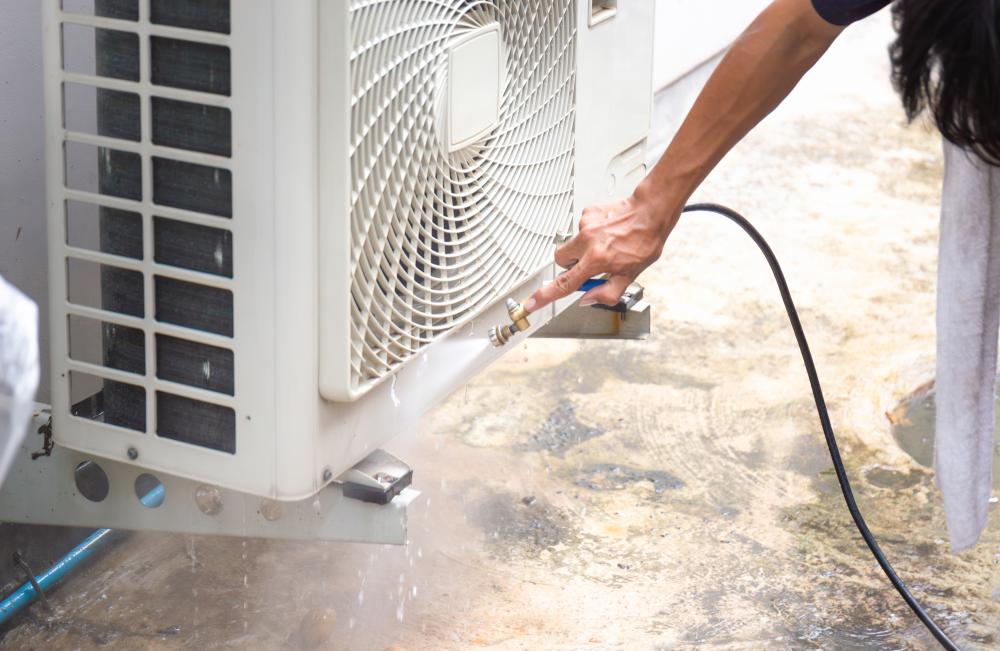
We're all too familiar with the frustration of an air conditioner that just won't cooperate. One of the most perplexing issues occurs when your system is dealing with AC freezing causes. Low refrigerant levels often top the list. A refrigerant leak not only reduces cooling efficiency but also leads to ice forming on coils. When refrigerant pressure drops, the system can't absorb heat effectively, and ice begins to accumulate.
Another common culprit is inadequate airflow. Blocked or closed vents obstruct the movement of air, leading to a cold spot where ice can form. Dirty air filters are notorious for this, as they restrict airflow dramatically. When the cold air remains trapped, the system can freeze from the inside out. It's essential to ensure your system breathes freely to avoid these issues.
The Role of Coils and Blower Fans
Evaporator coils play a crucial role in the cooling process. These components absorb heat and cool the air that enters your living space. However, when these coils are dirty or damaged, they can't perform their job, leading to AC freezing causes. The dirt acts as an insulator, preventing heat absorption and causing ice to form on the surface.
Your blower fan is another key player in this scenario. It ensures the cooled air moves through the ductwork efficiently. But a malfunctioning fan disrupts this flow, creating a temperature imbalance that leads to freezing. Frequent fan check-ups can help prevent this issue, keeping your AC running smoothly.
In our experience at HVAC Long Beach Masters, these elements are often overlooked until a problem arises. Regular maintenance is crucial for all systems, especially in preventing AC freezing causes from wreaking havoc on your comfort.
Hidden Contributors to AC Freezing
Clogged Condensate Drain LineA lesser-known issue is a clogged condensate drain line. Your AC removes moisture from the air, and this moisture must exit through a dedicated line. When blocked, the gathered water freezes as it contacts the cold coils. We often find that customers overlook this simple yet impactful aspect, only to face freezing issues later on.
Mechanical Wear and TearFinally, consider the age and condition of your unit. Older systems are prone to mechanical failures, and even small imperfections can contribute to freezing problems. Regular inspections help identify parts in need of repair or replacement before they lead to a bigger headache.
Preventive Strategies and Solutions
Regular maintenance is your first line of defense against AC freezing causes. At HVAC Long Beach Masters, we recommend routine check-ups to keep your system in peak condition. Replacing air filters every one to two months is an easy DIY task that can significantly improve performance.
Additionally, ensure all vents are open and unobstructed. Proper airflow is critical, as it prevents cold air from lingering in the system. We suggest leaving at least two or three vents open at all times. This simple strategy maintains a balanced airflow, reducing the risk of freezing.
- Clean air filters regularly.
- Inspect the blower fan for proper operation.
- Check refrigerant levels with professional help.
When to Call the Experts
While many tasks can be handled on your own, some situations demand professional attention. If you notice persistent freezing or suspect a refrigerant leak, it's crucial to contact a professional like HVAC Long Beach Masters. Our technicians can assess the health of your system, provide insights, and execute necessary repairs or replacements to resolve AC freezing causes.
By understanding and addressing these common issues, you can enjoy a comfortable, ice-free cooling experience. Trust the experts at HVAC Long Beach Masters to keep your system running efficiently, leaving you with fresh, clean air year-round.
Understanding AC Freezing
The issue of an air conditioning unit freezing up is more common than one might think. Despite the rising external temperatures, your AC can freeze due to several underlying causes. At HVAC Long Beach Masters, we’ve tackled countless cases of AC freezing. The most frequent culprit is poor airflow. Without sufficient warm air passing over the evaporator coil, the refrigerant becomes too cold, resulting in freezing. This phenomenon can turn your haven into a sweltering space in no time!
Another factor can be refrigerant leaks. When the refrigerant level is low, the pressure drops, causing the system to freeze. Addressing these leaks promptly is crucial to prevent further damage. Additionally, mechanical failings such as a malfunctioning blower fan or clogged filters can exacerbate the situation. Combating these issues is key to finding an effective AC freezing solution.
Quick Fix Strategies
When faced with a frozen AC, the initial step is to switch off the cooling mode and activate the fan. This helps circulate warm air to the evaporator coil, speeding up the thawing process. It’s a simple yet effective AC freezing solution that usually yields results within a few hours.
While waiting, inspect your air filters. A clogged filter restricts airflow and contributes to freezing. Replace dirty filters to restore adequate airflow. Unclog any blocked vents or ducts to further ensure the pathway for air is clear. Check these elements regularly to maintain optimal AC performance!
Once your AC has defrosted, monitor its performance closely. If freezing recurs, it might be time to consult a professional. Regular maintenance is an invaluable preventive measure, keeping your system running smoothly and efficiently.
Advanced Techniques
For more persistent issues, consider professional intervention. At HVAC Long Beach Masters, we offer comprehensive solutions tailored to your AC needs. Our team will check your refrigerant levels, inspect the evaporator coil, and ensure all mechanical components are functioning as they should. We strive to provide an efficient AC freezing solution that lasts.
We also recommend installing a programmable thermostat. This device automatically adjusts temperatures to prevent freezing during cooler nights. It’s a small investment with significant benefits in prolonging your AC’s lifespan and enhancing efficiency.
For those with frequent AC issues, an annual tune-up is invaluable. Our technicians will conduct a thorough inspection, addressing potential problems before they escalate. This proactive approach can save you from costly repairs and uncomfortable conditions.
Preventive Maintenance
The adage “prevention is better than cure” holds true for AC maintenance. Implementing simple practices can significantly reduce the risk of freezing. Start with regular cleaning to prevent dust accumulation. A clean system operates more efficiently and minimizes the chances of a freeze-up.
Regular servicing is another vital step. By scheduling routine checks, we can ensure all components are in good working order. Our skilled technicians will replace worn-out filters, clean dirty coils, and check for any mechanical faults.
Consider setting up an annual maintenance plan with HVAC Long Beach Masters. Our comprehensive checks will keep your system in peak condition, providing you with reliable cooling when you need it most.
We pride ourselves on delivering solutions that not only solve the immediate problem but also future-proof your AC. Trust us to help you keep your cool.
How do you fix an AC that keeps freezing up?
At HVAC Long Beach Masters, we've tackled many cases of AC units freezing up, and the solutions can vary depending on the underlying cause. The first step is to identify whether airflow is being obstructed. Check and replace dirty air filters since they can severely restrict airflow. Ensure all vents are unobstructed—sometimes household items unknowingly block them. If these areas are fine, the issue might lie with the refrigerant levels. Low refrigerant can cause your unit to freeze, often due to leaks. I'd recommend having a professional check this, as handling refrigerants requires expertise.
Once these issues are addressed, monitor your thermostat settings. Keep them at moderate levels to prevent overburdening the system. Regular maintenance, such as cleaning coils and checking the fan operation, is crucial. Remember, sometimes a quick thaw by switching the unit to fan mode can offer temporary relief, but professional evaluation is key for a long-term solution. Ever experienced your AC freezing up? Share your story with us!
Should I turn my AC off if it's frozen?
Yes, turning off your AC unit is a vital first step when you notice it's frozen. Continuing to run a frozen AC can cause further damage to the system. Switching from cool mode to fan mode can help thaw the ice more quickly by circulating warm air over the coils. It's a simple but effective trick that helps in the interim. After it defrosts, inspect the filters and vents, and consider calling a professional to check for deeper issues like refrigerant leaks or fan malfunctions. Ever tried this method before? Let us know how it worked for you!
Is it bad for an AC to freeze up?
An AC freezing up is a sign of underlying issues and can lead to significant problems if not addressed promptly. The freezing indicates that your system isn't operating efficiently, often leading to increased energy bills and decreased cooling effectiveness. Over time, repeated freezing can strain the system components, leading to more costly repairs. Regular maintenance and addressing issues like airflow blockages and refrigerant levels can prevent freeze-ups. You wouldn't want your car to run with the parking brake on, would you? It's the same for your AC. What other steps do you take to keep your AC in good shape?
How do I fix my AC not getting cold?
If your AC isn't delivering the cool air you expect, a few troubleshooting steps can help. Firstly, check whether your air filters are clean, as a clogged filter can severely impact performance. Assess the thermostat settings to ensure they're correctly adjusted. It may also be a refrigerant issue—low levels can lead to inadequate cooling. This requires professional intervention to locate and repair any leaks. At HVAC Long Beach Masters, we recommend regular maintenance to keep your system running optimally. Have you tried these methods? Which ones worked for you?
What are the main causes of AC freezing?
From our experience at HVAC Long Beach Masters, AC freezing can often be traced back to a handful of common issues. Chief among them is inadequate airflow caused by clogged filters or obstructed vents, leading to excessive cold air lingering around the coils. Another major factor is low refrigerant levels, often due to leaks, making it impossible for the system to maintain the proper pressures necessary for heat absorption. Mechanical failings, such as a malfunctioning blower fan, can further exacerbate freezing tendencies by disrupting the flow of air. Preventive maintenance goes a long way in addressing these issues, ensuring your system runs smoothly. Have you identified the cause of freezing in your system before? What was it?
#### Resources for AC Maintenance and Troubleshooting- U.S. Department of Energy – Offers comprehensive information on energy efficiency and cooling systems, including tips on maintaining and troubleshooting air conditioning units.
- U.S. Environmental Protection Agency – Provides resources on environmental regulations and guidance regarding refrigerants and HVAC system maintenance.
- Air-Conditioning, Heating, and Refrigeration Institute – A trade association that offers a wealth of resources on HVAC system standards, best practices, and maintenance guidelines.
- Air Conditioning Contractors of America – Provides resources and guidelines for HVAC systems maintenance and efficiency improvements from an industry perspective.
- American Society of Heating, Refrigerating and Air-Conditioning Engineers – Offers educational resources and standards for HVAC systems design, maintenance, and energy efficiency.