

Understanding HVAC Noises
At HVAC Long Beach Masters, we've often encountered customers puzzled by strange noises from their HVAC systems. You might find yourself thinking, “Why Your HVAC System Is Making Strange Noises & What They Mean.” Recognizing these sounds is crucial for a well-functioning system. The heart of the system is often the source of these noises, and addressing them early can prevent larger issues.
Common noises like clanking, banging, or rattling might signal loose or broken components within your HVAC system. Such sounds often arise from the blower assembly or motor. If you hear a high-pitched squeal, your blower fan belt could be at fault. On the other hand, thwapping indicates foreign objects interfering with the blower’s fan blades. Ignoring these signs might lead to unnecessary wear and tear.
Detailed Explanations
A buzzing noise from your air conditioning unit could be due to a compressor malfunction or a refrigerant leak. If you're hearing hissing, it might mean a leaking air duct or high internal pressure, especially if the sound originates from the AC compressor. These types of issues need immediate professional attention to avoid potential damage.
Then there are popping sounds, typical of ductwork expanding with heated air. However, persistent popping might require an HVAC technician’s evaluation. Always trust your instincts; if you sense something amiss, it’s better to consult us at HVAC Long Beach Masters than wait for a small issue to escalate.
Professional Insights and Anecdotes
In our lengthy experience, we've seen homeowners go through the inconvenience of waiting too long to address HVAC noise issues. One client in Long Beach experienced a rattling noise which, left unattended, led to a costly motor replacement. It’s stories like these that highlight the importance of early intervention.
We’ve also encountered scenarios where a persistent clicking noise was ignored, only to discover that it was a sign of a failing ignition system. This problem can cause an unwanted gas build-up, which is a serious safety hazard. Therefore, knowing Why Your HVAC System Is Making Strange Noises & What They Mean can not only save money but also ensure safety.
Innovative Solutions
We at HVAC Long Beach Masters often recommend regular maintenance to catch potential problems early. Regular check-ups ensure that your system operates efficiently and safely. Additionally, we suggest using high-quality lubricants specific to HVAC needs to prevent wear on moving parts. It's small steps like these that make a huge difference.
Our team also emphasizes the importance of professional inspections. Untrained attempts to fix complex systems can lead to further complications or injury. Thus, always prioritize safety and consult with certified professionals when you notice strange noises from your system.
Importance of Timely Repairs
Timely attention to noises can prevent further damage. For example, a rumbling noise might seem harmless initially but often indicates a failing motor mount. Immediate action can prevent more extensive repairs down the line. Addressing issues quickly ensures that your HVAC system remains reliable, especially during peak seasons.
Understanding Why Your HVAC System Is Making Strange Noises & What They Mean can help you identify when it’s time to contact professionals. Our commitment at HVAC Long Beach Masters is to provide top-tier service and ensure your home remains comfortable and safe.

Understanding HVAC Noises
Your HVAC system is the unsung hero of your home, quietly maintaining comfort. Yet, these systems can sometimes emit peculiar sounds. Common HVAC noises can range from a gentle hum to more alarming clatters. Whether it's a subtle sound or a more distinct clamor, each noise often hints at specific issues. Identifying these sounds is crucial. Ignoring them could lead to costly repairs or reduced system efficiency.
At HVAC Long Beach Masters, our team regularly encounters these noises. From experience, we know that certain noises signify more profound problems, while others might only require minor tweaks. It's essential to remain proactive in addressing these issues to ensure longevity and efficiency.
Squeals and Screeches
The sound of squealing or screeching often indicates a belt problem. This common HVAC noise typically arises from wear and tear. Such a belt might be loose or require replacement. Another possible cause? Lack of lubrication in the motor. Applying the right lubricant can solve this.
Having worked on countless units, we advise consulting a technician when faced with persistent squeals. Our professionals can swiftly diagnose and rectify the issue, preventing further damage. If left unchecked, these noises can escalate, leading to fan motor or blower failure.
Rattles and Clanks
Rattling is a common HVAC noise that suggests loose parts. It could be anything from loose screws to more substantial component issues. Clanking, on the other hand, often signifies something has become dislodged.
- Ensure all components are tight and secure.
- If rattling persists, professional inspection is wise.
- Frequent clanking can mean a misaligned blower or motor fan blades.
It's essential to address these sounds promptly. Our seasoned specialists have ample experience in detecting these issues and can efficiently restore serenity to your units.
Whistles and Hisses
High-pitched whistling can be alarming. It's often associated with airflow issues. Perhaps a blocked vent or filter. A more serious concern is a refrigerant leak, which might emit a hissing sound. This not only affects cooling efficiency but can be a health hazard.
Regular maintenance is key. At HVAC Long Beach Masters, we emphasize preventive measures. Replacing filters regularly and ensuring vents are clear can avert many problems. Should you suspect a refrigerant leak, contact professionals immediately for safe handling and repairs.
Popping and Booming
Metal ducts often expand and contract with temperature changes. This can cause popping sounds. It's a common HVAC noise and usually harmless if sporadic. However, frequent or loud booming can be more concerning.
Such booming might indicate delayed ignition in the furnace. This is typically due to gas build-up. It's crucial to shut off the unit and call in a technician. Our team at HVAC Long Beach Masters can efficiently address these issues, ensuring your system's safety and performance.
In conclusion, recognizing these common HVAC noises can save you time, stress, and money. Our experts are always ready to diagnose and remedy any issues, ensuring peace of mind and optimal system function.
Understanding HVAC Troubleshooting
At HVAC Long Beach Masters, we know that HVAC troubleshooting can be daunting. However, with a systematic approach, you can often solve minor issues without a hitch. The key is recognizing the signs and knowing when to seek professional help.
When your HVAC system isn't functioning properly, start with the basics. Checking the power supply is the first step. A simple power outage or tripped circuit breaker might be causing the issue. Ensure that your system is receiving adequate power before proceeding to other checks.
As experienced technicians, we often find that resetting your HVAC system can resolve many issues. Each component—be it the furnace, air conditioner, or heat pump—has a specific reset procedure. Refer to your user manual for exact instructions on how to perform a reset.
The Importance of Regular Maintenance
Our team emphasizes the crucial role of regular maintenance in preventing HVAC troubles. Regularly replacing air filters can significantly enhance your system's performance. Dust and debris clogging your filters can restrict airflow, jacking up energy bills.
Additionally, proper maintenance extends beyond just filters. Cleaning your condenser coils and checking for refrigerant leaks can save future headaches. Such tasks can prevent freezing and inefficiencies, which often lead to costly repairs.
Troubleshooting Common HVAC Issues
Our experience shows that many HVAC issues originate from simple mishaps. A thermostat set to the wrong temperature or a furnace door not closed properly could stop your system from working. Always double-check these components during initial HVAC troubleshooting.
Another common issue is blocked vents. Ensure that no furniture or drapes cover the vents, which can impede airflow. If certain rooms in your home are not receiving adequate heating or cooling, this might be the culprit.
For more serious issues, such as unusual noises or fluid leaks, it's best to call in the experts. At HVAC Long Beach Masters, we have handled countless complex problems, ensuring efficient and safe operations for our clients.
When to Call the Professionals
Not all HVAC troubles can be fixed with DIY techniques. If your system is making strange noises, emitting odd smells, or experiencing frequent cycling, it's time to seek professional help. Our experienced technicians can diagnose and resolve these intricate issues.
While it may be tempting to handle repairs independently, professional intervention prevents further damage and safety hazards. Our specialists at HVAC Long Beach Masters are equipped with the skills and tools necessary for comprehensive service.
Aging systems can also pose problems. If your setup is over 15 years old and showing wear, it might be time for an upgrade. We offer expert consultations to help you decide the best course of action for your HVAC needs.
Remember, taking prompt action during HVAC troubleshooting can save considerable time and money in the long run. We are always ready to assist you with any heating, ventilation, and air conditioning concerns you may have. Contact us for reliable and efficient service.
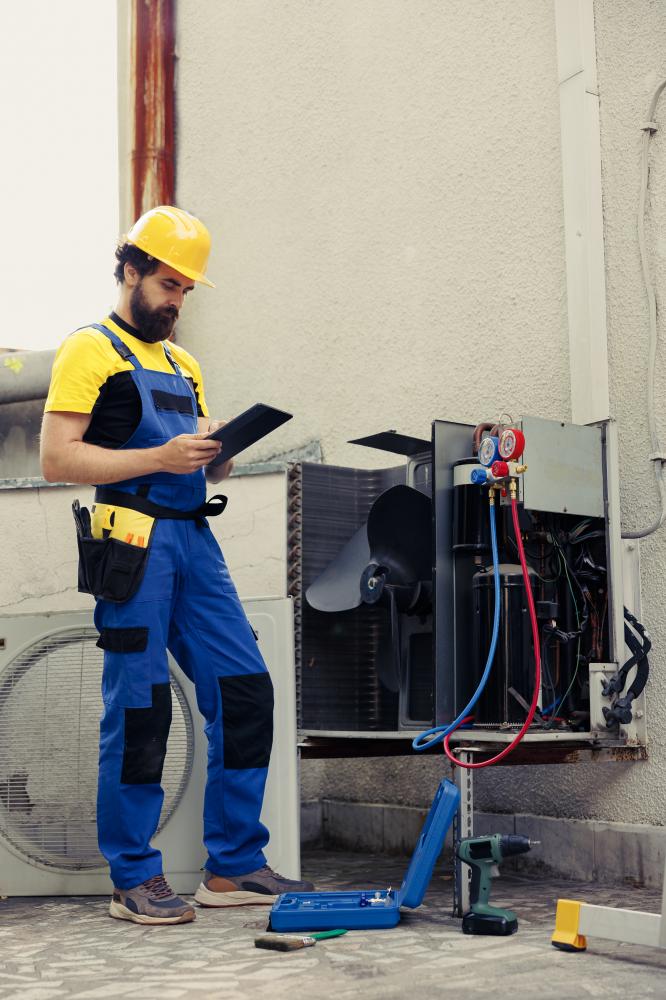
Why does my HVAC make a weird sound?
From our experience at HVAC Long Beach Masters, strange noises from your HVAC system can stem from various issues, each signaling something unique. For instance, clanking or banging often indicates loose or broken components within the system, usually originating from the blower assembly or motor. A high-pitched squeal might suggest that your blower fan belt is worn out or requires adjustment. On the other hand, thwapping can indicate foreign objects interfering with the blower’s fan blades. Ignoring these sounds could lead to unnecessary wear and tear. It's much like ignoring a persistent cough—it might be minor, but it could also signal something more serious. Have you experienced any unusual HVAC noises lately?
What does a bad HVAC compressor sound like?
In our service calls around Long Beach, a failing HVAC compressor often announces itself with a buzzing or hissing noise. A buzzing noise might suggest an electrical issue or a malfunctioning relay switch, while a hissing sound could indicate a refrigerant leak or high internal pressure. Both of these issues require immediate professional attention to prevent further damage and ensure safety. Imagine hearing a persistent hiss from a tire; it wouldn’t be wise to ignore it, as the problem could worsen. If your system is creating similar sounds, it's crucial to address them promptly. Do you feel confident in identifying these sounds in your system?
Which is the most common source of abnormal noises in an air conditioner?
From our extensive experience, the blower assembly and motor often top the list as common sources of unusual sounds in air conditioners. These components can produce clanking, rattling, or banging noises, typically due to loose parts or foreign objects. These sounds are like having a small pebble in your shoe—annoying but crucial to address quickly before they cause further distress. Ensuring that all screws and components are tight and secure can mitigate many of these issues. Have you ever inspected your air conditioner for loose parts?
How do I stop my HVAC duct from making noise?
Based on our team's experience at HVAC Long Beach Masters, duct noise often arises from expansion and contraction with temperature changes, leading to popping sounds. While this is generally harmless if sporadic, frequent noise may require intervention. Ensuring ducts are properly insulated can reduce noise, as can securing loose ducts with brackets. Think of it like ensuring a door is properly hinged to avoid squeaks. Regular maintenance and inspections can help identify and resolve these issues efficiently. Have you checked your ductwork for insulation or loose areas recently?
What are common HVAC noises and their causes?
In our line of work, we encounter a wide range of HVAC noises daily, each hinting at different underlying issues. Common noises include rattling, which might suggest loose screws or components, and clanking, indicating something has become dislodged. Buzzing often points to electrical issues or a failing compressor, while high-pitched squeals could be due to a worn-out or loose blower fan belt. Understanding these noises is akin to recognizing a friend’s voice in a crowd—it requires familiarity and attention. Addressing these issues early can save you from more extensive repairs later on. What noises have you noticed from your HVAC system lately?
How can I troubleshoot common HVAC problems?
At HVAC Long Beach Masters, we encourage homeowners to start with the basics when troubleshooting HVAC issues. Begin by checking the power supply; a tripped circuit breaker or a minor power outage might be the root cause. Resetting your system can also work wonders, much like rebooting a computer to clear minor glitches. Additionally, make sure your thermostat settings are correct, and check for any blocked vents or filters. However, if you encounter persistent issues, it's always wise to call in a professional. Consider what problems you've been able to resolve on your own and what required expert intervention.
#### Resources Section- U.S. Department of Energy – The U.S. Department of Energy provides information on energy efficiency and aims to help reduce the environmental impact of HVAC systems by promoting maintenance and timely repairs.
- Environmental Protection Agency (EPA) – The EPA offers guidance on safe HVAC practices, including handling refrigerants and understanding the environmental impact of HVAC systems.
- American Society of Heating, Refrigerating and Air-Conditioning Engineers (ASHRAE) – ASHRAE provides standards and guidelines to ensure efficient and safe HVAC systems, offering resources for both professionals and the public on best practices.
- Consumer Product Safety Commission (CPSC) – The CPSC provides safety tips for HVAC systems, including ensuring that your unit is free of hazards and understanding the importance of professional maintenance.
- ENERGY STAR – ENERGY STAR offers resources for selecting energy-efficient HVAC equipment and tips for reducing energy costs while maintaining home comfort.